Introduction
Understanding EN590 Price Factors is essential for procurement managers, commodity traders, and fuel suppliers involved in international petroleum markets. While crude oil prices remain a primary benchmark, the final cost of EN590 diesel is shaped by a broader set of commercial, operational, and logistical variables. Refinery utilization, freight availability, storage capacity, contract terms, and regional supply-demand balances all influence procurement costs.
For organizations sourcing EN590 diesel fuel in bulk, evaluating quotations requires more than comparing headline prices. Buyers must assess how refinery allocation, diesel fuel procurement strategies, shipping routes, and market liquidity affect delivered costs under both FOB and CIF contract structures. As global petroleum trade continues to respond to refinery maintenance, geopolitical developments, and changing trade flows, understanding these pricing mechanisms supports more informed procurement decisions and supply chain planning.
Industry Overview
EN590 Price Factors in the Global Petroleum Market
EN590 diesel is the European specification for ultra-low sulfur diesel fuel widely traded across international markets. Although originally developed for European road transport, the specification is now supplied by refineries and trading companies serving customers across Africa, the Middle East, Asia, and Latin America.
International petroleum trading connects refineries, storage terminals, shipping companies, commodity traders, inspection agencies, and financial institutions. Market participants rely on recognized benchmarks, standardized specifications, and contractual frameworks to facilitate cross-border transactions.
Several structural factors influence EN590 pricing:
- Global crude oil benchmark movements.
- Refinery operating rates and production yields.
- Seasonal diesel demand.
- Regional inventory levels.
- Export restrictions or policy changes.
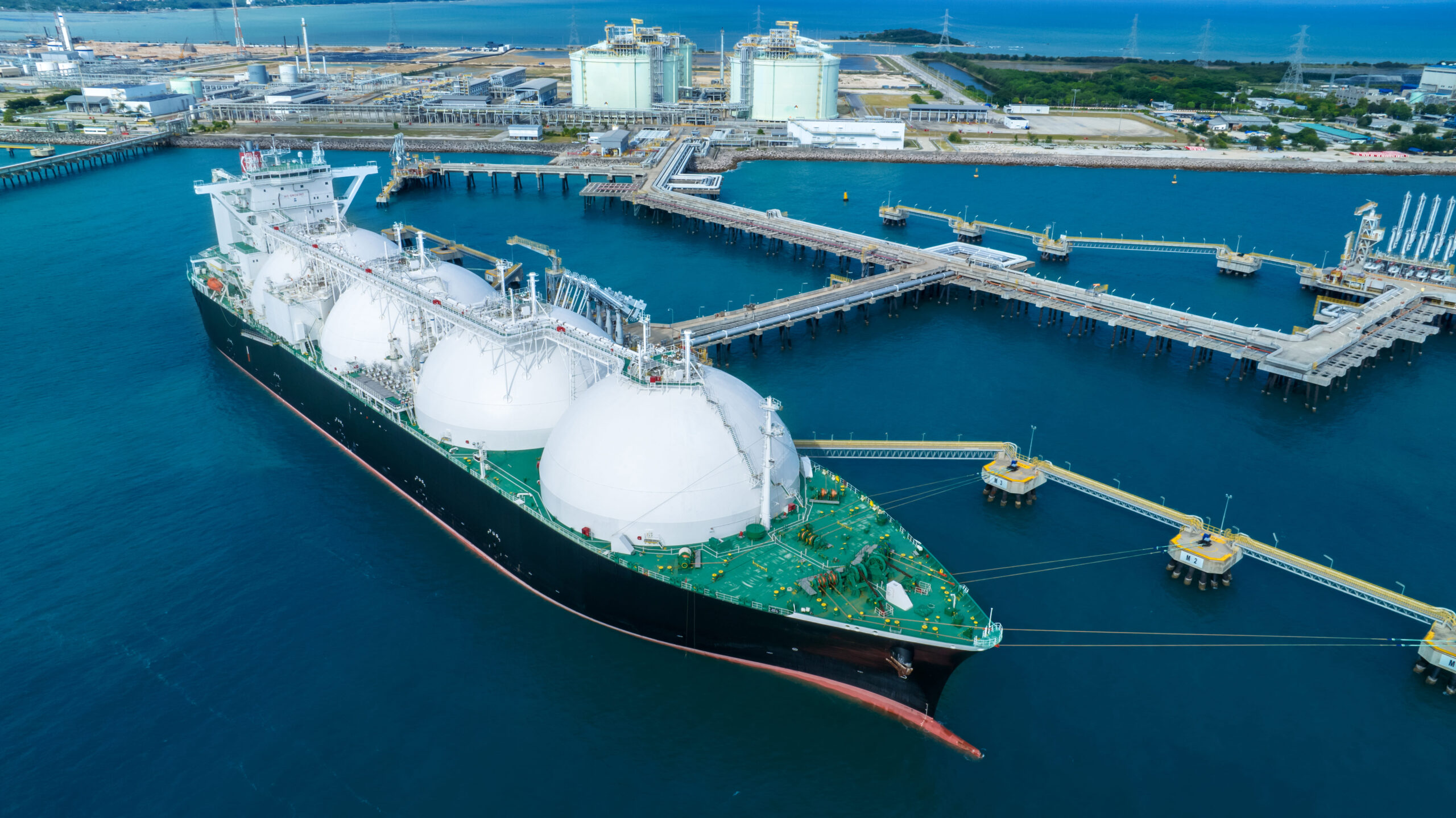
- Marine freight availability.
- Petroleum logistics capacity.
Organizations such as International Energy Agency regularly assess refinery utilization, oil demand growth, and refining capacity expansions that shape longer-term diesel market fundamentals. Similarly, fuel quality specifications published by ASTM International help standardize product quality across international supply chains.
Market Overview
EN590 Price Factors Across Global Trading Hubs
International diesel prices rarely move in isolation. Instead, they reflect conditions across interconnected trading hubs where refinery production, storage infrastructure, and export logistics converge.
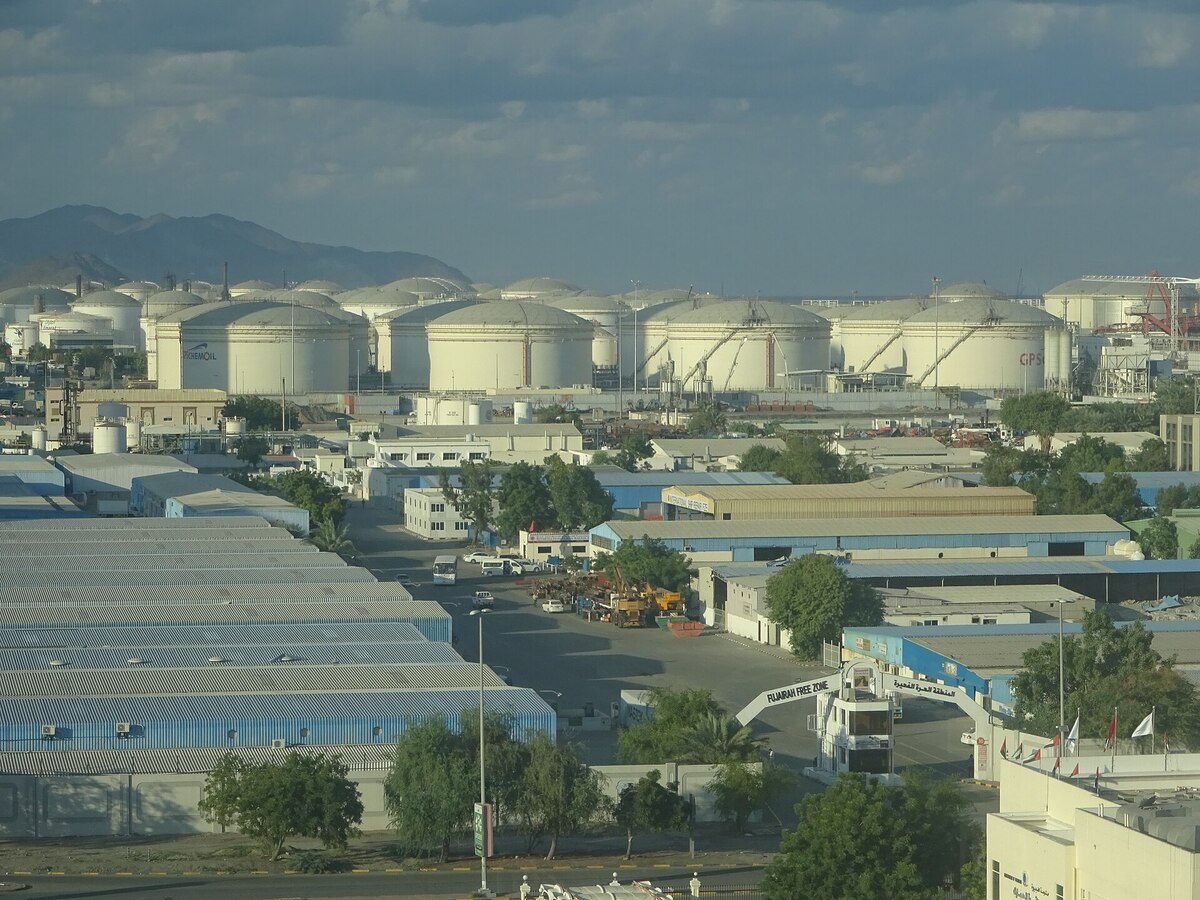
Major export locations such as Rotterdam, Fujairah, Singapore, Houston, and Jurong Island provide liquidity for international diesel trade through established refining, storage, and marine terminal networks.
Market participants monitor several indicators that influence procurement costs:
- Crude oil benchmark movements.
- Refinery maintenance schedules.
- Export cargo availability.
- Tank storage utilization.
- Marine freight rates.
- Vessel availability.
- Regional diesel demand.
- Import and export policy changes.
For procurement teams, pricing should therefore be evaluated within the broader context of market structure rather than as a standalone refinery quotation.
Readers seeking additional context on physical supply mechanisms can also explore the internal resource on Rotterdam and Fujairah trading hubs:
https://globalpetroleumadvisor.com/how-bulk-en590-and-jet-a1-supply-works-in-fob-trading-hubs-rotterdam-fujairah/
Buyer Perspective
How Buyers Evaluate EN590 Price Factors
Professional procurement teams focus on total acquisition cost rather than simply selecting the lowest quoted price.
When sourcing diesel cargoes, buyers typically assess:
- Product specification.
- Refinery origin.
- Allocation availability.
- Loading window.
- Freight assumptions.
- Insurance.
- Storage availability.
- Payment structure.
- Documentation requirements.
- Inspection procedures.
FOB quotations may initially appear more competitive than CIF offers. However, buyers remain responsible for chartering vessels, arranging marine insurance where applicable, coordinating petroleum logistics, and managing potential delays. Conversely, CIF contracts transfer much of the transportation responsibility to the seller, although freight market volatility becomes embedded within the delivered price.
Effective diesel fuel procurement therefore combines price evaluation with risk management. Procurement planning increasingly incorporates contingency arrangements for alternative loading ports, storage terminals, and logistics providers to improve supply resilience.
Organizations seeking to better understand procurement workflows may also benefit from the following resource:
https://globalpetroleumadvisor.com/en590-diesel-supply-procurement/
Supplier Perspective
How Suppliers Assess EN590 Price Factors
From the supplier’s perspective, pricing reflects production economics, operational constraints, and commercial risk rather than crude oil costs alone.
Refineries continuously balance production across gasoline, diesel, jet fuel, fuel oil, and petrochemical feedstocks. The profitability of these products depends on refining margins, regional demand, maintenance schedules, and operational efficiency.
Several supplier-side variables influence EN590 quotations:
- Refinery utilization rates.
- Planned maintenance shutdowns.
- Feedstock availability.
- Storage capacity.
- Existing contract commitments.
- Export allocation.
- Marine terminal congestion.
- Vessel scheduling.
Supplier verification has become increasingly important in international petroleum trade. Buyers frequently request evidence of refinery relationships, export allocations, previous transaction history, and operational capability before entering commercial negotiations.
Likewise, suppliers often evaluate buyer readiness by reviewing financial capability, intended cargo destination, and documentary requirements to reduce transactional risk.
Procurement Considerations
EN590 Price Factors Under FOB and CIF Contracts
Contract structure has a direct influence on the final landed cost of diesel procurement.
FOB (Free on Board) contracts require buyers to assume responsibility once cargo passes the ship’s rail at the loading terminal. Buyers therefore arrange shipping, insurance where applicable, and downstream logistics.
Under CIF (Cost, Insurance and Freight) arrangements, suppliers typically organize transportation to the destination port, incorporating freight and insurance into the contract value.
Procurement professionals should compare quotations using consistent commercial assumptions, including:
- Incoterms.
- Quantity tolerance.
- Delivery schedule.
- Loading port.
- Destination port.
- Inspection timing.
- Payment milestones.
- Documentary requirements.
- Demurrage provisions.
- Force majeure clauses.
Allocation windows also influence procurement timing. During periods of strong demand or refinery maintenance, available cargoes may become limited, increasing competition for prompt supply.
Additional background on FOB procurement structures is available here:
https://globalpetroleumadvisor.com/how-bulk-en590-and-jet-a1-supply-works-in-fob-trading-hubs/
Storage & Logistics
EN590 Price Factors and Storage Availability
Storage infrastructure forms an important component of diesel procurement economics.
Tank terminals provide operational flexibility by allowing traders and buyers to receive, blend, store, or redistribute cargoes according to commercial requirements. Access to strategically located storage can reduce scheduling risk while improving supply continuity during market disruptions.
Important considerations include:
- Tank availability.
- Terminal throughput.
- Pipeline connectivity.
- Port congestion.
- Cargo handling capacity.
- Inventory management.
- Barge availability where applicable.
- Reload capabilities.
Storage costs vary between regions and can influence arbitrage opportunities during periods of price volatility. Procurement teams therefore evaluate both immediate storage requirements and longer-term inventory strategies.
Businesses interested in regional storage considerations may find additional insight here:
https://globalpetroleumadvisor.com/en590-tank-storage-and-procurement-in-the-uae/
Documentation & Compliance
Supporting Secure International Transactions
International diesel transactions rely on comprehensive documentation to support quality assurance, customs clearance, contractual compliance, and payment processes.
Typical documentation includes:
- Commercial Invoice.
- Bill of Lading.
- Certificate of Origin.
- Certificate of Quality.
- Cargo Manifest.
- Packing documentation where applicable.
- Insurance Certificate under CIF contracts.
- Inspection reports.
- Export documentation.
Compliance with applicable Incoterms, product specifications, and contractual obligations reduces disputes while improving transaction efficiency.
Independent inspection organizations such as SGS and Bureau Veritas are commonly engaged to verify cargo quantity and quality before shipment or discharge.
Inspection & Verification
EN590 Price Factors and Independent Verification
Inspection and verification remain essential safeguards in international petroleum procurement, particularly where transactions involve new counterparties or multiple intermediaries.
Independent inspectors verify product quality against agreed specifications, confirm cargo quantities, and document loading or discharge conditions. These services support both buyers and suppliers by providing an objective basis for contractual performance.
Verification extends beyond product testing. Procurement teams also assess supplier credibility, refinery relationships, export capability, and logistical readiness before committing to long-term supply arrangements. Likewise, suppliers often perform due diligence on buyers to confirm financial capacity and contractual compliance.
For organizations participating in the global petroleum market, combining technical inspection with commercial verification helps reduce procurement risk, strengthens transaction confidence, and supports more resilient supply chains.
Common Industry Challenges
Managing Volatility in EN590 Price Factors
Even experienced procurement teams face challenges when evaluating EN590 Price Factors. Diesel markets are influenced by operational, geopolitical, and commercial developments that can change rapidly, affecting both price formation and cargo availability.
Common challenges include:
- Refinery maintenance reducing export volumes.
- Shipping disruptions affecting vessel schedules.
- Port congestion increasing loading or discharge times.
- Tight tank storage capacity during periods of strong demand.
- Documentation delays impacting payment or customs clearance.
- Freight market volatility increasing delivered costs.
- Currency fluctuations influencing international procurement budgets.
- Seasonal demand shifts, particularly during winter heating periods or peak transportation seasons.
Market participants should also monitor changes in environmental regulations, refinery upgrades, and regional import policies, as these developments can alter trade flows and influence pricing across major export hubs.
For buyers, the key question is not simply “Has the price changed?” but rather “What has changed within the supply chain that explains the movement?” Understanding the underlying drivers supports more effective procurement planning than reacting to price alone.
Practical Solutions
Strengthening Procurement Decisions
Professional procurement strategies focus on reducing uncertainty rather than attempting to predict short-term market movements.
Effective practices include:
- Working with verified suppliers and established counterparties.
- Obtaining independent inspection before shipment.
- Comparing quotations using consistent Incoterms.
- Confirming refinery allocation before finalizing contracts.
- Planning logistics and vessel availability in advance.
- Securing tank storage where scheduling flexibility is required.
- Reviewing documentation requirements early in the transaction process.
Digital petroleum marketplaces are also becoming increasingly important by allowing procurement teams to identify verified suppliers, evaluate available storage infrastructure, publish requests for quotations (RFQs), and compare sourcing opportunities within a structured commercial environment.
Rather than replacing traditional commercial relationships, these platforms improve transparency and streamline supplier discovery.
Market Opportunities
Structural Developments Influencing EN590 Price Factors
Beyond short-term price movements, structural developments continue to reshape international diesel markets.
Several trends deserve close attention:
- Refinery modernization projects improving diesel production efficiency.
- Expansion of export terminals supporting additional cargo capacity.
- Investment in pipeline infrastructure connecting refineries with storage facilities.
- Growth of strategic petroleum storage in emerging markets.
- Increased demand for cleaner transport fuels meeting ultra-low sulfur specifications.
- Diversification of supply chains following geopolitical disruptions.
These developments can create new sourcing opportunities while improving supply resilience for both buyers and suppliers.
Procurement teams should therefore monitor not only current market prices but also infrastructure investments that may influence future availability and regional trade competitiveness.
Future Outlook
EN590 Price Factors in an Evolving Supply Chain
Looking ahead, EN590 Price Factors will continue to reflect both traditional petroleum market fundamentals and broader changes in global energy logistics.
Digital procurement technologies are improving transaction efficiency by supporting supplier verification, document management, and market visibility. At the same time, refinery investments, evolving environmental standards, and changing shipping patterns are reshaping international fuel supply chains.
Although the long-term energy transition is expected to influence transport fuel demand in many regions, diesel will remain an important fuel for commercial transport, mining, agriculture, construction, marine operations, and industrial activity for years to come.
For procurement professionals, success will increasingly depend on combining market intelligence with disciplined sourcing strategies, robust due diligence, and flexible logistics planning.
Key Takeaways
- EN590 Price Factors extend well beyond crude oil prices and include refinery operations, freight costs, storage availability, and regional supply-demand balances.
- FOB and CIF quotations should be evaluated based on total delivered cost rather than headline price alone.
- Refinery maintenance, allocation windows, and shipping disruptions can significantly influence cargo availability.
- Independent inspection and supplier verification help reduce commercial and operational risk.
- Strategic procurement planning integrates pricing analysis with logistics, storage, documentation, and compliance considerations.
- Monitoring infrastructure developments and refinery investments supports longer-term sourcing decisions.
Frequently Asked Questions
What are the main EN590 diesel fuel price factors?
The primary drivers include crude oil benchmarks, refinery production costs, refining margins, freight rates, storage availability, regional demand, seasonal consumption, and supply chain disruptions.
Why do EN590 diesel prices change even when crude oil prices remain stable?
Diesel prices also respond to refinery maintenance, export allocations, freight markets, inventory levels, regional demand, and logistics constraints, all of which may move independently of crude oil benchmarks.
Does FOB pricing always result in lower procurement costs?
Not necessarily. While FOB quotations often exclude freight and insurance, buyers remain responsible for arranging transportation and managing logistics. Depending on freight market conditions, a CIF contract may provide a more competitive total landed cost.
Why are inspections important when purchasing EN590 diesel?
Independent inspections verify product quality, quantity, and contractual compliance, helping both buyers and suppliers reduce disputes and manage transaction risk.
How can buyers improve procurement decisions?
Buyers should compare quotations on a like-for-like basis, verify suppliers, confirm refinery allocation, review documentation requirements, and incorporate logistics and storage planning into procurement strategies.
Conclusion
Understanding EN590 Diesel Fuel Price Factors requires a comprehensive view of the international petroleum supply chain. Crude oil prices remain an important benchmark, but procurement outcomes are equally influenced by refinery operations, freight markets, storage infrastructure, contract structures, inspections, and regulatory compliance.
For procurement managers and traders, evaluating EN590 Price Factors within the broader context of global petroleum logistics enables better sourcing decisions, improved risk management, and more resilient supply chains. As international markets continue to evolve, organizations that combine market intelligence with disciplined procurement practices will be better positioned to respond to changing commercial conditions.
Call to Action
Organizations seeking to source EN590 Diesel Fuel can use the Global Petroleum Advisors marketplace to identify verified suppliers, explore tank storage options, submit RFQs, review supplier and mandate listings, and evaluate cargo opportunities across international trading hubs. The marketplace is designed to support informed procurement decisions by connecting qualified participants throughout the petroleum supply chain.
Internal Links
Use the following pages contextually throughout the article:
Suggested External References
Three Related Cluster Article Ideas
- How Refinery Maintenance Affects EN590 Diesel Supply and Pricing
- FOB vs CIF for EN590 Diesel: Comparing Total Procurement Costs
- Major Global Trading Hubs for EN590 Diesel Fuel and Their Role in International Supply Chains









No Comments