
The EN590 and Jet A1 supply chain operates through structured global trading systems rather than open supplier listings. However, many market participants misunderstand how this system works, especially in FOB hubs such as Rotterdam and Fujairah.
In reality, instead of direct access or public availability, this fuel distribution system is controlled through allocation systems, storage terminals, and verified trading networks. Therefore, understanding how the structure works is essential for interpreting global petroleum movement.
This market framework is not based on visibility. Instead, it is built on custody control, documentation flow, and allocation-based distribution across international hubs.
How the Global Fuel Supply System Works
The global fuel distribution system is built on layered infrastructure involving multiple participants.
Firstly, refineries produce refined petroleum products such as diesel and aviation fuel. Then, licensed trading companies and storage operators manage distribution across different regions.
In addition, allocation holders control specific volumes stored within bonded terminals. As a result, fuel does not move freely but follows structured commercial pathways.
Furthermore, logistics providers coordinate transportation, shipping, and export operations. Therefore, the entire system operates as a controlled network rather than an open marketplace.
FOB Trading Hubs and Their Real Function
FOB hubs such as Rotterdam and Fujairah are central to global petroleum logistics. Firstly, they function as bonded storage terminals. In addition, they serve as blending and redistribution points for refined products.
However, these hubs do not operate as public marketplaces. Instead, fuel is stored under custody control within terminal systems. Therefore, movement depends on allocation status, documentation approval, and verified ownership.
As a result, availability is determined by storage position rather than public listings or supplier visibility.
These hubs are essentially logistics ecosystems where product movement is controlled through structured authorization rather than open trade access.
Storage Terminals and Tank Farm Systems
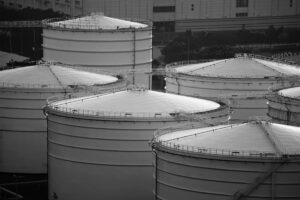
Storage terminals play a critical role in global fuel logistics. Firstly, they hold petroleum products under strict custody control. Moreover, they manage blending, inspection, and quality verification processes.
In addition, they coordinate product segregation based on buyer allocation and contract structure. However, fuel cannot move without terminal authorization.
Therefore, every transfer requires release documentation, inspection certification, and custody verification. In other words, storage systems act as the operational control point of the entire fuel distribution chain.
Titleholders and Custody Control
A titleholder is the legal owner of fuel stored in a bonded terminal. Firstly, they control ownership rights over the stored product. In addition, they manage transfer authorization and documentation flow.
This role is critical because without a valid titleholder, no bulk fuel transaction can proceed.
Therefore, title ownership becomes a core requirement in structured petroleum trading systems. As a result, access to fuel depends on verified ownership rather than market visibility.
Allocation-Based Supply Structure
The global fuel system operates through allocation-based mechanisms.
Firstly, refineries assign product volumes to traders, mandates, or storage holders. Then, terminals store the allocated product under custody.
In addition, allocation determines product availability, timing of release, and regional distribution across FOB hubs.
As a result, supply is not fixed. Instead, it is dynamic and changes based on refinery output, storage availability, and logistics planning.
This is why availability varies significantly between regions and timeframes.
Documentation and Verification Process
Every transaction within structured fuel markets requires strict documentation.
Firstly, SGS inspection reports confirm product quality and compliance. Then, tank storage receipts verify custody and ownership.
In addition, dip test results confirm quantity accuracy, while terminal release documents authorize movement of fuel.
Therefore, no product can move without verified documentation. As a result, this system ensures transparency, reduces disputes, and maintains trading integrity.
Common Misunderstandings in the Market
Many new entrants misunderstand how structured fuel systems operate.
For example, they assume that suppliers are publicly listed or directly accessible. However, this is not how the system works.
In addition, many believe FOB hubs function like retail marketplaces. In reality, they operate as controlled storage and logistics environments.
Furthermore, some confuse brokers with actual product holders. As a result, they struggle to identify legitimate counterparties in the market.
Therefore, understanding structure is essential before attempting procurement.
How Serious Buyers Engage the Market
Serious buyers do not rely on public supplier listings.
Instead, they operate through structured procurement channels. Firstly, they verify counterparties before engagement. Then, they confirm allocation availability and documentation readiness.
In addition, they work through established trading networks and authorized intermediaries.
As a result, transactions are based on verification, not speculation. Therefore, professional buyers achieve higher success rates and reduced transaction risk.
Visual Overview of Fuel Supply Structure
Alt text: EN590 and Jet A1 supply chain showing FOB hubs, storage terminals, and allocation-based fuel distribution system
Internal Supply Network Links
To better understand related segments of this system, explore:
- https://globalpetroleumadvisor.com/en590-diesel-supply-procurement/
- https://globalpetroleumadvisor.com/jetfuel-a1/
- https://globalpetroleumadvisor.com/crude-oil-supply-trading/
- https://globalpetroleumadvisor.com/fuel-products/
- https://globalpetroleumadvisor.com/global-fuel-supply-request-form-page/
- https://globalpetroleumadvisor.com/global-tank-farm-request-form-page/
- https://globalpetroleumadvisor.com/global-logistics-requirement-request-form-page/
External Reference
For broader industry context:
Live Allocation & Supply Access
The global fuel distribution system depends on allocation cycles, storage positions, and refinery output. Therefore, availability varies across regions and timelines.
To explore structured allocation access, tank storage systems, and regional fuel availability:
👉 https://globalpetroleumadvisor.com/global-fuel-supply-request-form-page/
👉 https://globalpetroleumadvisor.com/global-tank-farm-request-form-page/
Conclusion
The EN590 and Jet A1 supply chain operates through structured allocation systems, storage custody frameworks, and verified trading networks.
FOB hubs such as Rotterdam and Fujairah play a central role in global petroleum distribution. However, access to fuel depends on allocation status and verified counterparties rather than open supplier listings.
Therefore, understanding how custody, allocation, and storage systems interact is essential for navigating the global fuel market effectively.