Introduction
EN590 Diesel Fuel Contract Procedures form the foundation of international diesel fuel procurement, defining how buyers and suppliers negotiate, verify, document, and execute bulk fuel transactions. Whether cargoes move under FOB or CIF terms, clearly structured contract procedures help reduce commercial risk, improve transparency, and ensure that refinery allocations progress efficiently from nomination to delivery.
In today’s petroleum trading environment, procurement professionals must navigate supplier verification, refinery allocation, inspection requirements, logistics planning, and contractual obligations while responding to changing market conditions. Contract execution is therefore more than a legal formality; it is a critical element of supply chain management that influences procurement timing, storage availability, financing, and cargo scheduling.
This guide explains how EN590 diesel fuel contract procedures typically work, the documentation commonly involved, the responsibilities of buyers and suppliers, and the practical considerations that support successful international fuel transact
Industry Overview
International EN590 diesel trading operates within a structured petroleum supply chain that connects refineries, trading companies, storage terminal operators, inspection agencies, financial institutions, shipping companies, and end buyers. Contract procedures provide the commercial framework that enables these participants to coordinate product allocation, quality verification, cargo movement, and payment obligations while managing operational and market risks.
Unlike retail fuel purchases, bulk diesel transactions often involve multiple contractual stages before physical delivery occurs. Depending on the commercial structure, participants may include refinery representatives, mandate holders, title holders, logistics providers, and inspection companies. Each party performs a defined role to ensure contractual obligations are fulfilled and cargo movements remain traceable.
International procurement is also influenced by refinery maintenance schedules, seasonal demand, export regulations, and storage capacity at major petroleum hubs. As supply conditions change, buyers and suppliers frequently adjust procurement strategies to secure allocations within available loading windows.
Industry terminology such as allocation, nomination, lifting schedule, product specification, title transfer, and cargo readiness is therefore essential when negotiating EN590 contracts. A clear understanding of these concepts reduces misunderstandings and supports more efficient transaction execution.
Market Overview
The market for EN590 diesel is shaped by refinery production, regional consumption patterns, freight availability, storage infrastructure, and international trade flows. Europe, the Middle East, and Asia remain important production and trading regions, while major petroleum hubs such as Rotterdam, Fujairah, Singapore, and Houston facilitate large-scale cargo movements through established terminal infrastructure.
Procurement activity often increases during periods of refinery turnaround completion, seasonal demand growth, or supply disruptions in importing regions. At the same time, shipping constraints, changing freight costs, and evolving environmental regulations can influence contract negotiations and delivery schedules.
Contract procedures play an important role in this environment because they establish the commercial responsibilities of both buyers and suppliers before cargo loading begins. Well-defined procedures help minimize delays arising from documentation issues, inspection scheduling, payment verification, or logistics coordination.
Buyers should also monitor broader market developments, including refinery expansions, infrastructure investments, import policy changes, and pipeline projects, as these factors may influence future allocation availability and procurement planning.
Buyer Perspective
For procurement managers, EN590 diesel fuel contract procedures begin long before a purchase agreement is signed. Effective procurement starts with identifying verified suppliers capable of demonstrating legitimate product availability, refinery relationships, and the operational capacity to fulfill contractual commitments.
Before entering negotiations, buyers typically establish procurement requirements such as product specifications, contract volume, preferred Incoterms, destination, delivery schedule, inspection requirements, and payment mechanisms. Clearly defining these parameters allows both parties to negotiate from a common commercial understanding.
Supplier due diligence is equally important. Procurement teams generally review company registration documents, previous trading history, refinery relationships, storage access, inspection arrangements, and available export capabilities. Independent verification helps reduce exposure to fraudulent offers and improves confidence during contract discussions.
Documentation review should also occur before execution. Buyers commonly examine draft sales contracts, technical specifications, quality certification requirements, inspection procedures, delivery obligations, and dispute resolution clauses to ensure the commercial terms align with procurement objectives.
Successful procurement therefore depends not only on competitive pricing but also on selecting counterparties capable of executing contracts efficiently throughout the supply chain.
Supplier Perspective
From the supplier’s perspective, contract procedures establish a structured process for demonstrating product availability, confirming commercial capability, and coordinating operational execution. Suppliers are generally expected to provide accurate product specifications, outline allocation availability, define loading schedules, and clarify applicable contractual conditions before negotiations advance.
Refinery-backed suppliers and established trading companies typically maintain documented procurement workflows that include allocation confirmation, terminal scheduling, inspection coordination, shipping preparation, and documentation management. These procedures help ensure contractual obligations can be fulfilled within agreed timelines.
Supplier verification has become increasingly important in international petroleum markets. Buyers often request corporate documentation, proof of operational capability, refinery authorization where applicable, and evidence of previous transaction experience before proceeding with negotiations.
Maintaining transparent communication throughout the contracting process benefits both parties. Prompt responses regarding cargo readiness, inspection scheduling, documentation updates, and logistics coordination help minimize delays and strengthen commercial relationships, particularly in long-term supply agreements.
Procurement Considerations
EN590 diesel fuel contract procedures are closely linked to the commercial terms agreed between buyer and seller. One of the earliest decisions involves selecting the appropriate Incoterms, as these determine the transfer of responsibility, cost allocation, and risk throughout the transaction.
Under FOB (Free on Board) arrangements, the seller is generally responsible for delivering the cargo onto the nominated vessel at the agreed loading port. Once the product passes the ship’s rail, responsibility typically transfers to the buyer, who assumes freight, insurance, and destination logistics.
By contrast, CIF (Cost, Insurance and Freight) contracts place additional obligations on the seller, including arranging transportation and marine insurance to the agreed destination port. Although both structures are widely used in international petroleum trading, the preferred option depends on procurement strategy, shipping capability, and commercial objectives.
Contract documentation should clearly define product specifications, loading windows, inspection procedures, payment terms, quantity tolerances, dispute resolution mechanisms, force majeure provisions, and governing law. Clearly written agreements reduce ambiguity and provide a framework for resolving operational issues if market conditions change during execution.
Procurement managers should also evaluate allocation timing. Refinery maintenance, seasonal demand, export quotas, and storage capacity may influence cargo availability, making early planning an important component of successful procurement.
Storage & Logistics
Storage and logistics form an essential part of EN590 diesel contract execution. Even after contracts are signed, successful delivery depends on coordinating refinery loading schedules, terminal operations, vessel availability, and destination storage capacity.
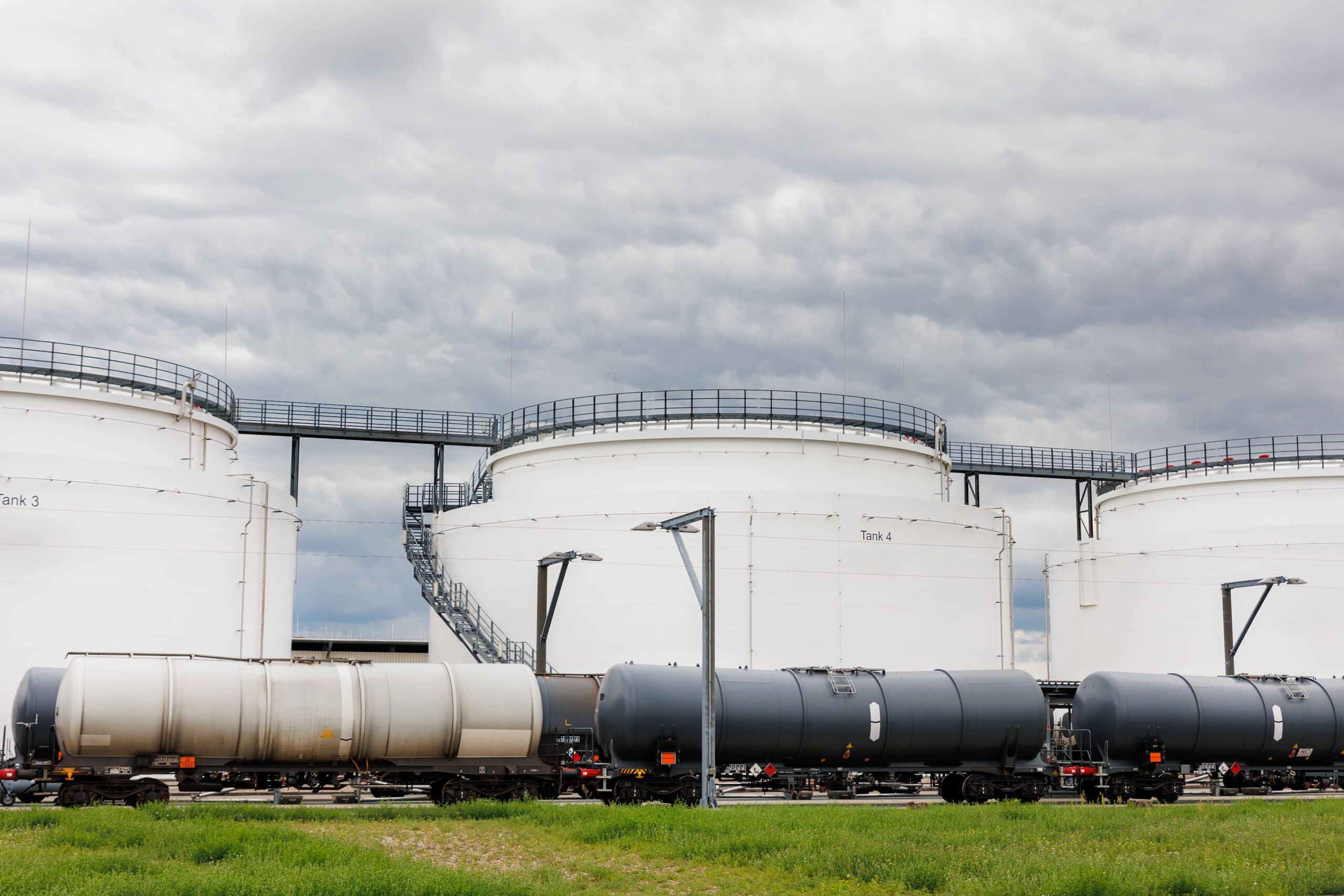
Tank storage facilities provide operational flexibility by allowing cargoes to be received, blended where permitted, inspected, or held before onward distribution. Buyers without immediate discharge capacity may secure storage arrangements to maintain continuity within their downstream supply chain.
Major storage hubs such as Rotterdam, Fujairah, Singapore, and Houston continue to play significant roles in global petroleum logistics because of their extensive terminal infrastructure, shipping connectivity, and access to international trade routes.
Cargo scheduling also requires close coordination among terminal operators, vessel agents, inspectors, and shipping companies. Delays affecting any participant can influence contractual delivery timelines, particularly during periods of high export activity or adverse weather conditions.
For procurement teams, integrating logistics planning into contract negotiations helps reduce operational disruptions and improves delivery reliability.
Documentation & Compliance
Documentation is one of the most important elements of EN590 diesel fuel contract procedures. International petroleum transactions rely on standardized documentation to verify product quality, establish legal ownership, satisfy customs requirements, and facilitate payment between counterparties.
Typical transaction documentation may include:
- Commercial Invoice
- Sales and Purchase Agreement
- Certificate of Quality
- Certificate of Origin
- Bill of Lading
- Packing or Cargo Documentation where applicable
- Cargo Manifest
- Inspection Certificates
- Insurance Documentation for CIF transactions
Independent inspection companies such as SGS and Bureau Veritas are frequently engaged to verify product quality and quantity before shipment or at discharge, depending on contractual requirements. Their reports provide additional confidence that contractual specifications have been met.
Compliance requirements may also extend to environmental regulations, sanctions screening, export licensing, anti-money laundering procedures, and applicable international trade laws. Buyers and suppliers should ensure all documentation satisfies the legal requirements of both exporting and importing jurisdictions.
Inspection & Verification
Inspection and verification procedures help protect both buyers and suppliers by providing independent confirmation that contractual obligations are being fulfilled.
Quality verification generally focuses on confirming that the supplied diesel meets the agreed EN590 specification before ownership transfers or payment milestones are reached. Quantity verification may also be performed during loading or discharge to confirm delivered volumes.
Supplier verification is equally important. Procurement teams increasingly conduct commercial due diligence before negotiations by reviewing corporate registration, operational capability, previous trading performance, storage access, refinery relationships, and available logistics infrastructure.
Verification may also extend to refinery authorization where applicable, ensuring that suppliers possess legitimate allocation rights rather than relying solely on unverified intermediary claims.
Independent inspections, transparent documentation, and structured verification procedures collectively reduce procurement risk while improving confidence throughout the transaction lifecycle.
Common Industry Challenges
Even with well-defined EN590 diesel fuel contract procedures, international transactions remain exposed to operational and commercial risks. Market conditions can change rapidly between contract signing and cargo delivery, requiring both buyers and suppliers to adapt procurement strategies while maintaining contractual compliance.
One of the most common challenges is procurement risk arising from inadequate supplier verification. Transactions involving unverified intermediaries, incomplete documentation, or unrealistic commercial terms can lead to delays, contractual disputes, or failed deliveries. Comprehensive due diligence remains one of the most effective methods for reducing these risks.
Logistics disruptions also affect contract execution. Vessel congestion, adverse weather, port restrictions, geopolitical developments, and changing freight availability can influence loading schedules and delivery timelines. Buyers should therefore incorporate contingency planning into procurement strategies, particularly for time-sensitive industrial supply requirements.
Documentation delays present another operational challenge. Missing certificates, incomplete shipping documents, customs processing issues, or delayed inspection reports may postpone cargo release even when the product is physically available. Establishing documentation milestones within the contract helps reduce uncertainty during execution.
Refinery maintenance programmes also influence supply availability. Planned turnarounds may temporarily reduce export volumes, while unexpected operational outages can affect allocation windows and delivery schedules. Procurement managers who monitor refinery maintenance calendars are often better positioned to secure supply before market conditions tighten.
Practical Solutions
Successful EN590 procurement depends on combining sound commercial practices with disciplined operational planning. Rather than focusing solely on price, experienced procurement teams evaluate the entire transaction lifecycle, from supplier selection through final cargo delivery.
A structured supplier verification process should confirm corporate legitimacy, operational capability, refinery relationships where applicable, and previous trading experience. Independent verification reduces counterparty risk and strengthens confidence before contract negotiations begin.
Inspection planning should be agreed before execution. Defining the inspection company, inspection stage, quality parameters, and reporting requirements within the contract minimizes disputes and establishes clear expectations for both parties.
Logistics planning should also begin early. Coordinating vessel schedules, storage availability, terminal nominations, and customs requirements before loading helps reduce avoidable delays later in the transaction.
Where storage flexibility is required, buyers may consider securing access to tank storage facilities near major trading hubs. This can improve supply continuity, provide additional scheduling flexibility, and support inventory management during periods of market volatility.
Digital procurement platforms are also improving transaction efficiency by enabling buyers to identify verified suppliers, compare opportunities, manage procurement documentation, and communicate with counterparties through centralized systems.
Market Opportunities
The international EN590 diesel market continues to evolve as energy infrastructure expands across established and emerging trading regions. Refinery upgrades, new storage terminals, pipeline developments, and port modernization projects are improving the efficiency of petroleum supply chains while supporting growing international trade.
Investment in strategic storage capacity is creating additional flexibility for both exporters and importers. Expanded terminal infrastructure allows market participants to optimize inventory management, respond more effectively to changing demand patterns, and reduce bottlenecks during periods of increased trading activity.
Supply chain diversification also presents opportunities. Buyers are increasingly evaluating multiple sourcing regions to improve resilience against localized disruptions caused by refinery maintenance, shipping constraints, or geopolitical developments. As a result, procurement strategies are becoming more diversified and data-driven.
Digital transformation represents another significant opportunity. Petroleum marketplaces, electronic documentation systems, and improved verification technologies are streamlining procurement workflows, increasing transparency, and reducing administrative complexity for international transactions.
Future Outlook
EN590 diesel fuel contract procedures are expected to become increasingly standardized as digital procurement technologies, electronic documentation, and enhanced compliance requirements continue to reshape international petroleum trading.
Greater emphasis on supplier transparency, document authentication, and digital verification is likely to reduce procurement risk while improving transaction efficiency across global supply chains. Buyers are placing increasing value on counterparties that demonstrate operational capability, clear communication, and consistent compliance with international trading standards.
Market participants should also monitor developments in refinery capacity expansions, terminal investments, shipping regulations, and environmental policy. Although the energy transition is influencing long-term fuel markets, diesel remains an essential product for transportation, construction, mining, agriculture, marine operations, and industrial activity across many regions.
For both buyers and suppliers, adapting procurement strategies to changing market conditions while maintaining disciplined contract management will remain essential for successful international trading.
FAQ
What are EN590 diesel fuel contract procedures?
EN590 diesel fuel contract procedures are the commercial, legal, and operational steps followed to negotiate, document, verify, execute, and complete an international diesel fuel transaction. These procedures typically include supplier verification, contract negotiation, refinery allocation (where applicable), inspection, shipping documentation, logistics coordination, and final delivery.
What is the difference between FOB and CIF in EN590 contracts?
Under an FOB (Free on Board) contract, the seller delivers the cargo onto the buyer’s nominated vessel at the agreed loading port, after which responsibility transfers to the buyer. Under a CIF (Cost, Insurance and Freight) contract, the seller also arranges freight and marine insurance to the agreed destination port. The choice depends on each party’s logistics capabilities and procurement strategy.
Which documents are commonly required for EN590 diesel transactions?
Documentation varies by contract and jurisdiction but commonly includes:
- Sales and Purchase Agreement (SPA)
- Commercial Invoice
- Certificate of Quality
- Certificate of Origin
- Bill of Lading
- Cargo Manifest
- Inspection Certificate
- Insurance documentation for CIF shipments
- Customs and export documentation where required
Why is supplier verification important?
Supplier verification helps buyers confirm that a company has the legal authority, operational capability, and commercial capacity to perform under the contract. Proper due diligence reduces exposure to fraudulent offers, documentation issues, and failed transactions.
Independent inspection companies such as SGS and Bureau Veritas are frequently appointed to verify product quality and quantity according to contractual requirements. Their inspection reports provide an independent assessment before shipment, during loading, or upon discharge, depending on the agreed procedures.
How can buyers reduce procurement risk?
Buyers can reduce procurement risk by working with verified suppliers, conducting comprehensive due diligence, reviewing all contractual documentation carefully, defining inspection procedures in advance, planning logistics early, and monitoring refinery operations, allocation schedules, and shipping conditions throughout the transaction.
Conclusion
Understanding EN590 Diesel Fuel Contract Procedures is essential for organizations involved in international petroleum procurement. Well-structured contracts establish clear commercial responsibilities, define documentation requirements, allocate operational risk, and provide a framework for efficient cargo execution from refinery allocation through final delivery.
Successful procurement depends on more than negotiating competitive commercial terms. Buyers should evaluate supplier credibility, inspection arrangements, logistics planning, storage availability, and compliance obligations before entering contractual commitments. Likewise, suppliers that maintain transparent documentation, reliable operational processes, and effective communication are better positioned to build long-term commercial relationships.
As international petroleum markets continue to evolve, disciplined contract management, comprehensive verification, and informed procurement planning will remain central to reducing transaction risk and improving supply chain resilience.
Call to Action
If you are sourcing EN590 diesel fuel for international procurement, explore the EN590 Diesel Fuel Contract Procedures and related procurement resources available through the Global Petroleum Advisors marketplace. Buyers can connect with verified suppliers, submit RFQs, explore tank storage opportunities, review supplier and mandate listings, and identify cargo opportunities while supporting informed procurement decisions.
Key Takeaways
- EN590 diesel contract procedures define the commercial framework for international fuel transactions.
- Supplier verification is a critical first step in reducing procurement risk.
- FOB and CIF contracts allocate responsibilities differently and should be selected based on procurement objectives.
- Independent inspections and complete documentation support contract compliance.
- Storage planning and logistics coordination are essential for successful cargo execution.
- Monitoring refinery operations, allocation windows, and market developments improves procurement planning.
- Digital procurement platforms are increasing transparency and operational efficiency across the petroleum supply chain.
Internal Links
Suggested External References
Related Cluster Article Ideas
- FOB vs CIF for EN590 Diesel Fuel: Choosing the Right Contract Structure
- EN590 Diesel Fuel Documentation Checklist for International Buyers
- How Supplier Verification Reduces Risk in EN590 Diesel Fuel Procurement















No Comments