


Introduction
Refinery allocation is the designation of a specified volume of petroleum product for a buyer, contract or market over a defined period. For EN590 diesel buyers, understanding an allocation means establishing what volume is designated, who has authority to offer it, and how it relates to production, storage and the proposed loading window.
Table of Contents
- Introduction
- Industry Overview: Understanding Refinery Allocation EN590
- Refinery Allocation Within the Petroleum Trading System
- Market Overview: Why Refinery Allocation Matters
- How Refinery Allocation EN590 Shapes Global Supply
- Buyer Perspective
- Why Buyers Should Monitor Refinery Allocation EN590
- Allocation Visibility for Procurement Teams
- Identifying Potential Supply Constraints
- Allocation Does Not Guarantee Delivery
- Supplier Perspective
- Managing Refinery Allocation EN590 Effectively
- Procurement Considerations
- Incorporating Refinery Allocation EN590 Into Procurement Planning
- How Refinery Procurement Works
- Who Can Supply Refined Petroleum Products?
- How Buyers Can Verify an EN590 Refinery Allocation Holder
- Storage & Logistics
- Allocation Effects on Storage and Export Logistics
- Documentation & Compliance
- Documentation Requirements Under Refinery Allocation EN590
- Inspection & Verification
- Verifying Refinery Allocation EN590 Before Shipment
- Common Industry Challenges
- Operational Risks Affecting Refinery Allocation EN590
- Planned Refinery Maintenance
- Unplanned Operational Disruptions
- Shipping and Logistics Constraints
- Documentation Delays
- Market Volatility
- Practical Solutions
- Managing Procurement Around Refinery Allocation EN590
- Market Opportunities
- Refinery Investment and Future EN590 Supply
- Future Outlook
- Digital Procurement and Allocation Transparency
- Key Takeaways
- Frequently Asked Questions
- What is refinery allocation in EN590 diesel trading?
- Why does refinery allocation affect EN590 diesel supply?
- Can a supplier sell EN590 diesel without refinery allocation?
- How does refinery maintenance influence allocation?
- Does refinery allocation affect FOB and CIF contracts?
- How can buyers reduce allocation-related procurement risks?
- Conclusion
- Internal Links
- External References
- Related Article Ideas
An allocation does not automatically mean the diesel is in a tank or ready to load. This guide explains how allocation affects EN590 supply availability, what buyers should verify, and which operational factors can delay delivery.
Refinery allocation is an important part of this process because it influences how available refinery production or exportable product is committed to buyers and supply channels. A refinery may have substantial production capacity while the volume available to a particular buyer remains limited by existing contracts, domestic demand, maintenance, export programs, or operational conditions.
Understanding refinery allocation and EN590 diesel procurement is therefore important for procurement managers, petroleum traders, and bulk fuel buyers. Allocation can influence cargo availability, loading schedules, export commitments, and the timing of purchasing decisions.
In today’s market, EN590 diesel supply is shaped by more than refinery production capacity. Scheduled maintenance, domestic demand, export priorities, logistics constraints, and contractual obligations all affect how refineries allocate production. Consequently, buyers involved in diesel fuel procurement, bulk fuel allocation, or long-term supply agreements must understand how allocation decisions influence cargo availability before entering negotiations.
This article explains how refinery allocation works, why it matters to international buyers and suppliers, and how procurement strategies can be adapted to changing refinery operations while reducing commercial and logistical risk.
Industry Overview: Understanding Refinery Allocation EN590
Refinery Allocation Within the Petroleum Trading System
Refinery allocation is the process through which a refinery distributes its available production among contracted customers, domestic markets, export programs, and strategic inventories. Although production planning begins months before physical delivery, actual allocations are continually adjusted in response to operational performance and market conditions.
For EN590 diesel fuel, allocation decisions typically follow refinery production forecasts, contractual commitments, maintenance schedules, and export economics. A refinery with sufficient production capacity may still reduce export allocations if domestic consumption increases or if planned maintenance temporarily lowers output.
Within international petroleum trading, allocation serves as a mechanism for balancing supply with contractual obligations. Large integrated refiners often prioritize long-term customers before making additional cargoes available to traders or spot buyers. As a result, allocation influences not only physical supply but also procurement timing and commercial negotiations.
Refinery allocation also affects petroleum logistics, as export terminals, storage operators, vessel scheduling, and inspection providers coordinate around confirmed production volumes. Therefore, allocation decisions extend well beyond refinery operations and influence every stage of the downstream supply chain.
Market Overview: Why Refinery Allocation Matters
How Refinery Allocation EN590 Shapes Global Supply
Global EN590 diesel supply depends on refinery utilization rates, export infrastructure, and regional demand. However, allocation determines how much product ultimately reaches international buyers.
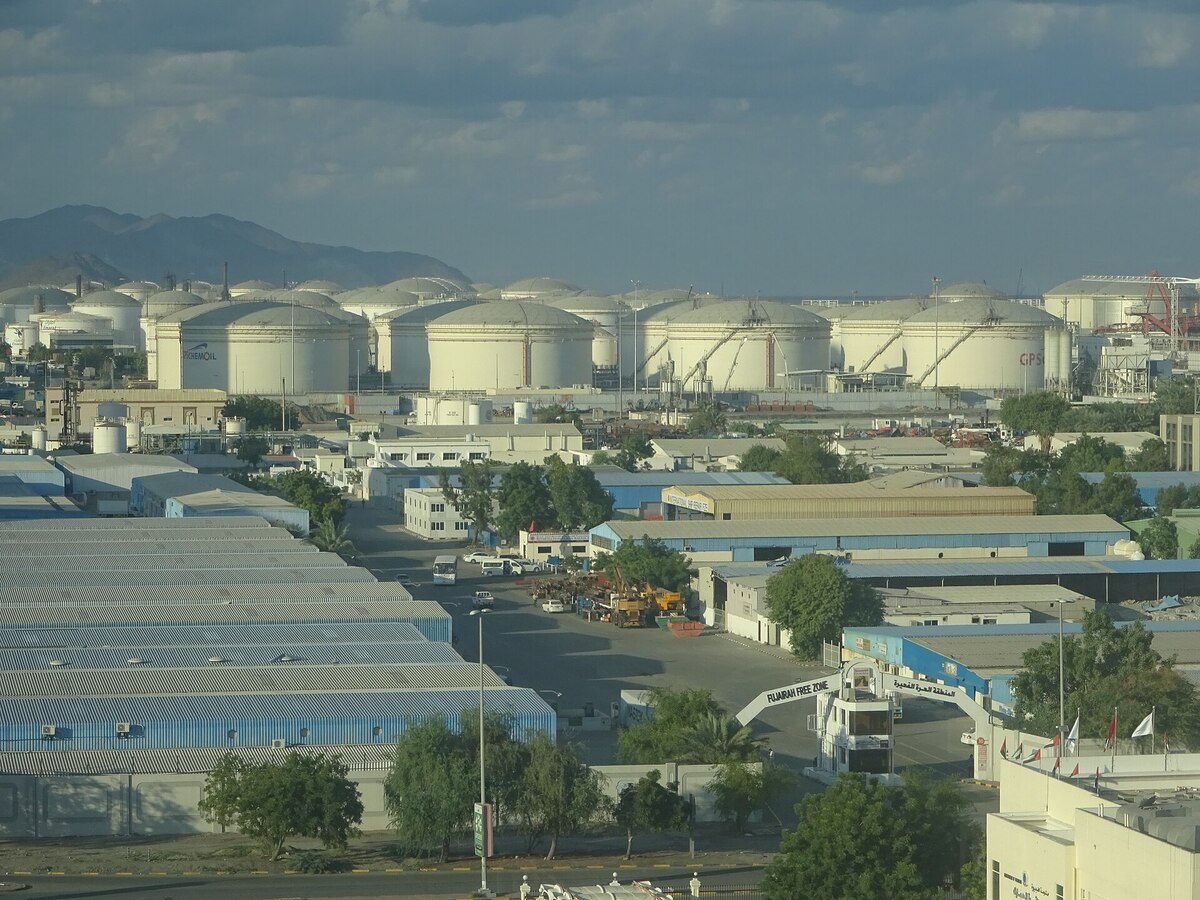
Major export hubs such as Rotterdam, Fujairah, Singapore, Houston, and Jurong distribute refined petroleum products to global markets through coordinated refinery and terminal operations. During periods of strong demand or reduced refinery output, available export allocations may tighten despite stable overall production.
Several market developments can influence allocation decisions:
- Planned refinery maintenance reducing production capacity
- Unplanned operational outages
- Seasonal diesel demand
- Export policy adjustments
- Shipping disruptions
- Changes in crude oil feedstock availability
- Storage terminal constraints
- Commercial contract commitments
For procurement teams, allocation windows often become as important as price negotiations. Buyers who secure refinery allocations early generally have greater flexibility in scheduling inspections, arranging logistics, and confirming vessel nominations before market conditions tighten.
Buyer Perspective
Why Buyers Should Monitor Refinery Allocation EN590
From a procurement standpoint, refinery allocation directly affects a buyer’s ability to secure EN590 diesel within the required quantity and delivery timeframe. Refinery production capacity alone does not necessarily mean that the same volume is available to every buyer. Existing contracts, domestic demand, export commitments, refinery maintenance schedules, and changing operating conditions can influence how much EN590 diesel supply becomes available for a particular market, buyer, or loading period.
This makes refinery allocation an important supply-side consideration for buyers purchasing EN590 diesel in international markets. A buyer may have a defined product specification, quantity, destination, and delivery schedule, but the transaction still depends on whether a suitable volume can be allocated and made available within the required timeframe.
Allocation Visibility for Procurement Teams
For procurement managers and bulk fuel buyers, monitoring allocation can provide greater visibility into the factors that may influence diesel fuel procurement and supply continuity. Key considerations include:
- available refinery allocation volume
- expected EN590 loading windows
- refinery operating conditions and maintenance schedules
- supplier access to the stated EN590 supply
- existing contractual commitments
- changes to refinery export programs
- export terminal and tank storage availability
- inspection and loading requirements
- potential changes to delivery schedules
- logistics constraints affecting cargo movement
Identifying Potential Supply Constraints
Monitoring these factors helps procurement teams identify potential EN590 diesel supply constraints before they become delivery problems. It can also help buyers distinguish between a supplier that is simply offering EN590 diesel commercially and a supply source with a realistic ability to support the requested volume, loading location, and delivery schedule.
Allocation visibility is particularly important when buyers require recurring or large-volume EN590 diesel procurement. Early awareness of available allocation volumes and loading windows can support better procurement timing, supplier evaluation, logistics planning, and contingency planning.
Allocation Does Not Guarantee Delivery
However, refinery allocation should not be treated as a guarantee of final delivery. A confirmed allocation may still be affected by refinery maintenance, unplanned operational disruptions, changes in export priorities, terminal congestion, shipping availability, or other conditions within the petroleum supply chain.
The practical objective for buyers is therefore not simply to obtain an allocation claim, but to understand whether the proposed refinery supply, allocation, loading schedule, and logistics arrangements can realistically support the procurement requirement.
Supplier Perspective
Managing Refinery Allocation EN590 Effectively
Suppliers operate within allocation frameworks established by refineries and other supply sources rather than controlling production independently. For EN590 diesel supply, this means a supplier’s ability to offer a specific quantity and delivery schedule may depend on its refinery supply agreement, allocation rights, export program, and access to available product.
Reputable suppliers should therefore communicate refinery allocation status clearly and maintain realistic delivery schedules. Buyers evaluating an EN590 diesel supplier should consider whether the supplier has a verifiable supply relationship and a practical path to fulfilling the proposed allocation.
Supplier credibility can be strengthened through:
- confirmed refinery supply agreements
- documented allocation rights
- established EN590 export programs
- available tank storage capacity
- coordinated petroleum logistics planning
- transparent commercial and shipping documentation
- clear loading locations and delivery schedules
- established relationships with refineries, terminals, and logistics providers
Effective refinery allocation management also requires suppliers to balance long-term contractual customers with spot-market opportunities. During periods of constrained production or increased diesel demand, refiners and their authorized supply channels may prioritize existing contractual commitments, potentially reducing the volume available for new transactions.
Strong supplier relationships with refineries can improve access to future EN590 allocation windows, but they do not eliminate operational risks. Planned refinery maintenance, unplanned outages, changes in domestic demand, export restrictions, terminal congestion, and shipping constraints can all affect the timing or availability of allocated cargoes.
For this reason, allocation should be treated as an ongoing supply-management consideration rather than a one-time confirmation. Suppliers should keep buyers informed when changes to refinery operations, export programs, loading windows, or logistics arrangements could affect delivery.
Procurement Considerations
Incorporating Refinery Allocation EN590 Into Procurement Planning
Refinery allocation should form part of the procurement process from the beginning rather than being treated as an administrative detail after commercial negotiations conclude. For buyers sourcing EN590 diesel, allocation connects the commercial requirement with the physical availability of product and the practical ability to load and deliver the cargo.
A structured EN590 diesel procurement process should consider:
- required product specification and quantity
- refinery allocation timing
- supplier and refinery relationship
- FOB versus CIF delivery structures
- cargo nomination schedules
- confirmed loading windows
- destination and delivery requirements
- storage availability
- inspection scheduling
- export documentation
- contract flexibility
- expected delivery timeframe
Under FOB transactions, the buyer typically assumes greater responsibility for coordinating vessel nomination, marine logistics, and loading arrangements around the confirmed refinery or terminal loading schedule. Under CIF transactions, the supplier generally assumes responsibility for arranging transportation to the agreed destination, although refinery allocation and loading availability still influence the overall delivery timeline.
Procurement managers should therefore connect commercial negotiations, refinery allocation, inspection, storage, vessel scheduling, and logistics planning rather than treating each activity as a separate stage. This helps identify potential allocation-related delays before they affect the buyer’s delivery requirements.
Allocation should also be considered when evaluating a supplier’s proposed price and delivery schedule. A commercially attractive offer is not necessarily useful if the stated supply volume cannot be supported by a realistic allocation, loading window, or export arrangement.
For buyers beginning an EN590 procurement inquiry, the EN590 Diesel Fuel Request Allocation page can be used to review the information required for an allocation request, while the EN590 Diesel Fuel Procurement guide provides additional context for integrating allocation milestones into the broader purchasing workflow.
How Refinery Procurement Works
Refinery procurement involves coordinating the buyer’s product requirements with an available refinery or refinery-linked supply source. For EN590 diesel, the process typically connects commercial requirements with refinery allocation, documentation, inspection and logistics.
1. Define the buyer requirement
The buyer establishes the required product specification, quantity, destination, delivery schedule and preferred delivery basis such as FOB or CIF.
2. Identify a suitable supply source
The buyer or procurement representative identifies a refinery, authorized marketer, title holder or other qualified supply source capable of meeting the requirement.
3. Confirm supply and allocation availability
The requested volume is checked against available production, existing commitments, export programs and refinery allocation. This is where allocation becomes a critical part of procurement planning.
4. Submit buyer documentation
Depending on the transaction, the buyer may provide company information, an ICPO or other documentation required to establish the purchasing requirement.
EN590 DIESEL PROCUREMENT
Have a defined EN590 diesel requirement? Submit your product specification, volume, destination and preferred delivery basis for procurement review.
5. Evaluate the commercial offer
The buyer reviews the price basis, quantity, loading location, Incoterms, delivery schedule, validity period and other commercial conditions.
6. Conduct supplier and supply verification
Before proceeding, the buyer should verify the supplier’s authority, refinery relationship or allocation claim, product documentation and proposed loading arrangements.
7. Execute the transaction
Once commercial and due-diligence requirements are satisfied, the parties agree the final terms and execute the relevant sales and purchase agreement.
8. Coordinate inspection, loading and delivery
Inspection, vessel nomination, terminal scheduling, export documentation and shipping are coordinated around the confirmed allocation and loading window.
The key point is that refinery allocation does not replace procurement; it is one of the factors that determines whether the procurement requirement can be fulfilled on the proposed terms and schedule.

Who Can Supply Refined Petroleum Products?
Refined petroleum products can reach buyers through several types of supply-side participants. The specific role of a supplier should be established during due diligence rather than assumed from how the company describes itself.
- Refinery or direct producer: The entity that physically produces the refined petroleum product and may sell directly or through designated commercial channels.
- Authorized marketer: A company authorized to market or distribute products from a refinery or producer under an established commercial arrangement.
- Title holder: An entity that holds commercial title to a specific volume of petroleum product and has the contractual right to sell it, subject to the applicable transaction and documentation.
- Trading company: A petroleum trader that purchases, resells, or arranges refined products within the supply chain and may source product from refineries, marketers, or other legitimate title holders.
- Allocation holder: An entity with a confirmed allocation or entitlement to a specified volume of product, subject to the underlying refinery, producer, or supply agreement.
For buyers, the important consideration is not simply whether a company claims to have access to refinery product. The buyer should establish what role the supplier holds, what authority it has to sell the product, and whether the claimed volume and delivery terms can be independently supported.
How Buyers Can Verify an EN590 Refinery Allocation Holder
Before entering an EN590 diesel supply agreement, buyers should establish whether the proposed supplier has the legal authority and commercial ability to deliver the advertised quantity.
An allocation holder may have contractual rights to a specified volume of petroleum product. However, an allocation claim does not automatically establish product ownership, physical availability, or authority to transfer title.
Buyers should assess the following:
1. Corporate identity: Verify the supplier’s company registration, legal identity, business address, and authorized representatives.
2. Refinery relationship: Establish whether the supplier operates as a direct refinery seller, authorized marketer, contractual allocation holder, or independent petroleum trader.
3. Allocation documentation: Request appropriate evidence supporting the claimed allocation volume, validity period, product specification, and loading location.
4. Independent verification: Where commercially permitted, confirm the supplier’s claimed refinery or terminal relationship through independently obtained contact information.
5. Delivery capability: Evaluate whether the proposed loading window, inspection arrangements, terminal access, and shipping schedule are consistent with the transaction requirements.
6. Commercial authorization: Confirm that the supplier has the contractual right to sell the product and that any intermediary has appropriate authority to represent the seller.
Buyers should also be cautious about unverifiable refinery letters, unsupported product availability claims, and requests for substantial advance payments before reasonable commercial verification has been completed.
A credible procurement process connects allocation verification with supplier due diligence, commercial documentation, inspection arrangements, and an executable delivery schedule.
Storage & Logistics
Allocation Effects on Storage and Export Logistics
Once refinery allocations are confirmed, logistics planning becomes significantly more predictable. Storage terminals, inspection agencies, shipping companies, and terminal operators coordinate activities around scheduled production and loading windows.
Allocation delays may affect:
- tank storage utilization
- terminal scheduling
- vessel arrival planning
- cargo consolidation
- export documentation
- marine logistics
TANK STORAGE & LOGISTICS
Need tank storage for petroleum products? Submit your storage requirement, product, volume, location and expected storage period to explore suitable storage options.
Buyers relying on leased storage facilities should ensure storage contracts remain flexible enough to accommodate revised refinery schedules.
Similarly, suppliers benefit from maintaining relationships with multiple storage terminals, allowing greater operational flexibility when refinery output changes.
Where export cargoes originate from major trading hubs, logistics coordination between refinery operators, storage providers, and shipping companies becomes a critical component of successful procurement.
Documentation & Compliance
Documentation Requirements Under Refinery Allocation EN590
Refinery allocation influences not only product availability but also the sequence in which commercial and shipping documents are issued. Procurement teams should recognize that many transaction documents are generated only after a refinery confirms an allocation and loading schedule.
Typical documentation associated with an allocated EN590 cargo includes:
- Sales and Purchase Agreement (SPA)
- Commercial Invoice
- Packing or Cargo List, where applicable
- Certificate of Quality (COQ)
- Certificate of Origin (COO)
- Bill of Lading (B/L)
- Cargo Manifest
- Insurance documentation for CIF shipments
- Export customs documentation
Independent inspection companies such as SGS or Bureau Veritas are commonly engaged to verify product quality, quantity, and loading conditions before cargo departure. Their inspection reports provide additional assurance that the delivered product complies with contractual specifications.
Buyers should also confirm that documentation reflects the agreed Incoterms, nominated loading terminal, cargo quantity, and refinery details. Discrepancies between allocation confirmations and shipping documents can delay customs clearance, financing, or final payment.
Rather than reviewing documentation only after loading, experienced procurement teams establish document verification procedures during contract negotiations. This reduces administrative delays and improves transaction transparency.
Inspection & Verification
Verifying Refinery Allocation EN590 Before Shipment
A refinery allocation should never be interpreted as the sole confirmation that a cargo is ready for shipment. Allocation indicates that production capacity has been reserved, but buyers should still complete comprehensive commercial and operational verification.
Best practice includes verifying:
- Supplier corporate registration
- Refinery authorization or supply relationship
- Allocation confirmation
- Product specifications
- Independent inspection arrangements
- Loading terminal details
- Vessel nomination status
- Export documentation readiness
Independent inspectors play a central role in confirming that the product loaded matches contractual specifications. Inspection reports, quantity certificates, and quality certificates provide confidence before payment milestones are reached.
Verification should also extend to refinery operations. Planned maintenance, operational disruptions, or changes in export priorities may alter previously confirmed loading schedules. Procurement managers therefore benefit from maintaining regular communication with suppliers throughout the transaction.
Using verified suppliers with established refinery relationships reduces the likelihood of procurement disputes arising from unsupported allocation claims or incomplete documentation.
Common Industry Challenges
Operational Risks Affecting Refinery Allocation EN590
Refinery allocation operates within a dynamic supply environment where production, logistics, and market conditions can change rapidly. Even well-established refineries periodically adjust allocation volumes in response to operational or commercial developments.
Common challenges include:
Planned Refinery Maintenance
Scheduled maintenance, commonly referred to as refinery turnarounds, temporarily reduces production capacity. During these periods, export allocations may decline as refiners prioritize essential operations and contractual commitments.
Unplanned Operational Disruptions
Equipment failures, power interruptions, feedstock constraints, or process upsets can unexpectedly reduce refinery output. Buyers relying on a single source of supply may experience shipment delays if alternative allocations are unavailable.
Shipping and Logistics Constraints
Allocation confirmation does not automatically guarantee immediate shipment. Vessel availability, berth congestion, adverse weather, and terminal scheduling issues may postpone loading despite confirmed production.
Documentation Delays
Errors within commercial invoices, certificates, inspection reports, or export documentation frequently delay payment processing and customs clearance. Administrative bottlenecks can extend delivery timelines even after cargo loading has been completed.
Market Volatility
Changes in regional diesel demand, crude oil prices, freight markets, or government policy can influence refinery allocation priorities. Export programs may be revised as refiners respond to evolving market conditions.
Practical Solutions
Managing Procurement Around Refinery Allocation EN590
Successful procurement organizations recognize that allocation risk cannot be eliminated entirely. However, structured procurement processes can significantly improve supply reliability.
Recommended practices include:
- Engage verified suppliers with established refinery relationships.
- Confirm allocation status before finalizing shipping schedules.
- Coordinate inspection appointments early in the transaction process.
- Maintain flexibility in vessel nominations and loading windows.
- Secure tank storage where appropriate to accommodate scheduling changes.
- Verify all commercial documentation before payment milestones.
- Monitor refinery maintenance announcements and export programs.
- Develop contingency sourcing strategies for critical supply requirements.
Procurement teams that integrate allocation monitoring into routine purchasing decisions are generally better positioned to respond to supply disruptions while maintaining contractual performance.
Market Opportunities
Refinery Investment and Future EN590 Supply
Global investment in refining infrastructure continues to reshape diesel trade flows. Capacity expansions, terminal upgrades, and logistics improvements are increasing export flexibility in several major petroleum hubs.
For international buyers, these developments may provide:
- Improved access to refinery allocations.
- Greater supplier diversification.
- Expanded storage capacity.
- More efficient export logistics.
- Enhanced competition among qualified suppliers.
At the same time, modernization projects focused on producing lower-sulfur fuels support continued production of EN590 diesel that complies with evolving environmental requirements.
Procurement managers should monitor refinery expansion projects alongside new storage terminals, pipeline developments, and export infrastructure investments, as these projects can influence future allocation availability and regional supply balances.
Future Outlook
Digital Procurement and Allocation Transparency
Digitalization is gradually improving transparency across petroleum procurement. While refinery allocation decisions remain commercially sensitive, buyers increasingly expect greater visibility into supply availability, logistics planning, and transaction documentation.
Digital procurement platforms now support:
- supplier verification
- procurement workflows
- document management
- cargo tracking
- inspection coordination
- communication between counterparties
As the petroleum supply chain becomes more connected, procurement decisions are likely to rely less on fragmented communication and more on verified operational data.
Marketplaces such as Global Petroleum Advisors contribute to this transition by enabling buyers to identify verified suppliers, explore storage opportunities, review supplier capabilities, and submit procurement inquiries within a structured marketplace environment. Rather than replacing commercial due diligence, these platforms help improve transparency during supplier selection and procurement planning.
Looking ahead, refinery allocation will remain one of the principal factors influencing EN590 diesel availability. Buyers who combine market intelligence with disciplined verification, flexible logistics planning, and strong supplier relationships will be better positioned to secure reliable supply in an increasingly competitive global market.
Key Takeaways
- Refinery allocation determines how much EN590 diesel supply becomes available for export after production capacity has been assigned.
- Refinery Allocation EN590 influences procurement timing, loading schedules, storage planning, and contract performance as much as refinery output itself.
- Planned maintenance, operational disruptions, shipping constraints, and changing market conditions can all reduce available allocations.
- Buyers should verify supplier credentials, refinery relationships, allocation status, inspection arrangements, and documentation before committing to payment.
- Procurement strategies that incorporate allocation monitoring are generally more resilient during periods of market volatility.
- Working with verified suppliers and maintaining flexible logistics planning can reduce procurement risk and improve supply continuity.
Frequently Asked Questions
What is refinery allocation in EN590 diesel trading?
Refinery allocation is the process through which a refinery assigns available production to contracted customers, domestic markets, and export programs. It determines how much EN590 diesel is available for international procurement during a specific production period.
Why does refinery allocation affect EN590 diesel supply?
Even when refinery production remains stable, export allocations may change because of domestic demand, maintenance programs, contractual obligations, or operational constraints. As a result, allocation directly influences cargo availability for international buyers.
Can a supplier sell EN590 diesel without refinery allocation?
Yes. A legitimate supplier may sell EN590 diesel from existing inventory, through direct refinery supply agreements, or under other valid commercial arrangements without holding a separate refinery allocation document.
However, the supplier must have the appropriate contractual authority to sell the product and a verifiable means of fulfilling the proposed transaction.
Buyers should therefore evaluate the supplier’s legal identity, right to sell, product availability, loading arrangements, and supporting commercial documentation rather than relying exclusively on claims of refinery allocation.
How does refinery maintenance influence allocation?
Scheduled refinery maintenance, often referred to as a turnaround, temporarily reduces production capacity. During these periods, refiners may prioritize existing contractual obligations, resulting in fewer export allocations and tighter product availability.
Does refinery allocation affect FOB and CIF contracts?
Yes. Whether a transaction is conducted under FOB or CIF Incoterms, refinery allocation determines when cargo can be loaded. The difference lies in which party assumes responsibility for transportation after loading has been completed.
How can buyers reduce allocation-related procurement risks?
Procurement teams should:
- Verify supplier credentials and refinery relationships.
- Monitor refinery maintenance schedules.
- Confirm allocation before arranging logistics.
- Coordinate inspections early.
- Allow flexibility in vessel scheduling.
- Review all commercial and shipping documentation before payment.
Conclusion
Understanding Refinery Allocation EN590 provides procurement professionals with valuable insight into one of the most important drivers of EN590 diesel supply. While refinery production capacity establishes the foundation for supply, allocation determines how product is distributed across domestic markets, long-term contracts, and export cargoes.
For buyers, monitoring allocation windows alongside refinery maintenance, logistics capacity, and documentation readiness improves procurement planning and reduces exposure to avoidable delays. Suppliers likewise benefit from transparent communication regarding allocation status and operational constraints, strengthening confidence throughout the transaction process.
As international petroleum markets continue to evolve, successful procurement strategies will increasingly combine market intelligence, supplier verification, logistics coordination, and disciplined due diligence. Organizations that understand how refinery allocation influences supply are better positioned to secure reliable cargoes while responding effectively to changing market conditions.
Internal Links
Use one link in each relevant section:
- EN590 Diesel Fuel Request Allocation
- EN590 Diesel Fuel Procurement
- How Bulk EN590 Supply Works in FOB Trading Hubs
- EN590 Tank Storage and Procurement in the UAE
- Oil and Gas Procurement
External References
- International Energy Agency (IEA) – Refining and Oil Market Reports
- SGS – Petroleum Inspection and Verification Services
Related Article Ideas







No Comments