1. MARKET SIGNAL SUMMARY
The global Oil Refineries landscape across Asia is tightening as major refining hubs adjust output cycles, crude intake economics, and export flows into Europe, Africa, and intra-Asia trading routes.
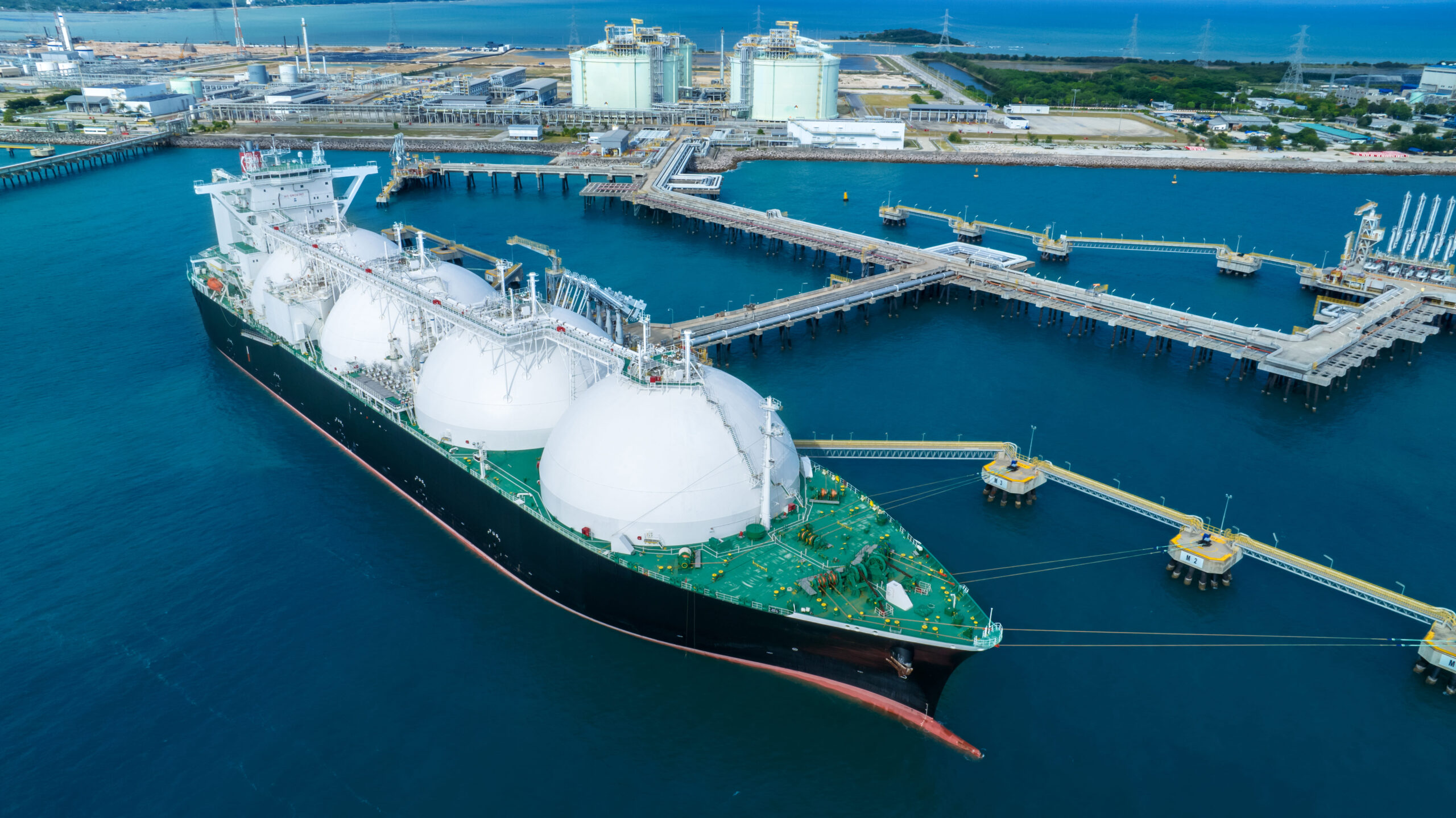
Across the current cycle, Oil Refineries in Asia are operating as pricing and allocation engines rather than simple production facilities, directly influencing global availability of diesel, jet fuel, and middle distillates.
According to the International Energy Agency (IEA https://www.iea.org), global refinery throughput remains highly sensitive to maintenance cycles, crude volatility, and seasonal demand shifts, particularly across Asia’s large integrated refining systems.
These dynamics directly affect procurement availability of EN590 Diesel https://globalpetroleumadvisor.com/en590-diesel-fuel-and-gasoline-request-allocation-page/, aviation-grade Jet Fuel A1 https://globalpetroleumadvisor.com/jetfuel-a1/, and structured allocation flows tied to institutional trading desks.
2. GLOBAL MARKET BREAKDOWN
Asia’s Core Oil Refineries Network
Asia remains the dominant global center of Oil Refineries, with large-scale systems driving international fuel balance:
- India refining clusters function as export-heavy diesel production zones linked directly to Crude Oil https://globalpetroleumadvisor.com/crude-oil/ import economics
- China refinery operations balance domestic consumption with controlled export availability
- South Korea maintains high-spec clean fuel production supporting aviation and industrial demand
- Singapore operates as a global storage and blending hub influencing pricing discovery
- Middle East–Asia refinery corridors link crude intake with refined product redistribution
Fuel Categories Impacted
- EN590 Diesel export flows
- Jet fuel aviation demand cycles
- Marine fuel oil and bunkering
- Petrochemical feedstock streams
Logistics Pressure Points
- refinery maintenance cycles reducing spot supply
- freight congestion across Asia–Europe shipping corridors
- tightening storage availability in export terminals
- rising aviation demand recovery increasing jet fuel pull
According to the U.S. Energy Information Administration (EIA https://www.eia.gov), refinery disruptions combined with shipping bottlenecks remain one of the primary drivers of short-term volatility in global refined product pricing.
3. GLOBAL TRADING CENTERS OVERVIEW
Asia’s largest Oil Refineries are structurally linked to global trading hubs that determine pricing and allocation timing:
- Singapore: global pricing benchmark and storage hub
- Fujairah: Middle East blending and export redistribution point
- Rotterdam-linked arbitrage flows influencing diesel parity pricing
- Northeast Asian export terminals supporting clean fuel movement
- Indian west coast refining corridor driving export supply flows
These hubs collectively shape global diesel, jet fuel, and fuel oil distribution patterns.
Storage flexibility through Tank Farm Storage https://globalpetroleumadvisor.com/tank-farm-storage/ is increasingly used to manage refinery cycle disruptions and freight volatility.
4. PRICE INFLUENCE ZONES
Global Oil Refineries pricing behavior is shaped by overlapping pressure zones:
- Asian refinery utilization rates (India, China, South Korea)
- European diesel import dependency cycles
- Middle East crude export adjustments
- Aviation fuel recovery trends increasing jet demand
- Freight and tanker capacity constraints
According to BP https://www.bp.com energy outlook assessments, refinery margins remain highly sensitive to crude price fluctuations, directly affecting refined product availability and export competitiveness.
5. BUYER IMPACT ANALYSIS
For institutional buyers and mandate holders, Oil Refineries in Asia define procurement timing, pricing exposure, and allocation risk.
Pricing Pressure
Refinery margin fluctuations directly impact diesel and jet fuel pricing structures across global markets.
Supply Risk
Maintenance cycles and output shifts affect availability of:
Procurement Urgency
When refinery output tightens:
- allocation windows compress
- FOB/CIF spreads widen
- buyer competition increases significantly
6. SUPPLY OPPORTUNITY SHIFTS
Alternative Sourcing Regions
When Asian Oil Refineries tighten output:
- Middle East refiners expand export availability
- European blending hubs rebalance demand flows
- Atlantic basin refiners capture arbitrage opportunities
- Southeast Asian storage networks absorb excess demand
Refinery Output Adjustments
- increased diesel yield optimization
- stronger jet fuel production focus
- petrochemical integration expansion
- structural decline in fuel oil output
Storage and Logistics Role
Strategic storage has become essential for procurement stability. Tank Farm Storage https://globalpetroleumadvisor.com/tank-farm-storage/ plays a key role in balancing refinery downtime, freight delays, and allocation timing gaps.
7. ACTION SIGNAL (URGENT PROCUREMENT WINDOW)
Current Oil Refineries conditions indicate tightening supply across diesel and aviation fuel markets.
Key signals include:
- rising diesel demand across Asia–Europe trade routes
- aviation recovery strengthening Jet Fuel A1 demand
- refinery maintenance reducing spot availability
- freight volatility increasing landed cost risk
Procurement response priorities:
- secure allocation early
- diversify sourcing regions
- lock freight exposure
- secure storage capacity
8. STRATEGIC CLOSE (CTA)
Asia’s largest Oil Refineries continue to act as the central supply engine for global refined petroleum flows, shaping diesel, jet fuel, and crude-linked trading structures across international markets.
As refinery cycles tighten and logistics constraints intensify, early allocation access becomes critical for institutional procurement stability.
👉 Request allocation from refinery-linked supply network









No Comments