Industrial energy procurement has become increasingly complex as global supply chains respond to refinery maintenance schedules, geopolitical developments, transportation constraints, environmental regulations, and changing fuel demand. Effective Fuel Sourcing is no longer based solely on obtaining competitive pricing; it requires a structured procurement strategy that balances supply reliability, logistics capability, supplier verification, and long-term operational resilience.
For industrial buyers operating across manufacturing, mining, marine transportation, construction, power generation, and commercial logistics, fuel procurement directly influences production continuity and operating costs. A poorly planned sourcing strategy can expose organizations to delivery delays, inconsistent product availability, and unnecessary commercial risk.
According to the International Energy Agency (IEA), global energy markets continue adapting to shifting refinery output, evolving trade flows, and regional supply adjustments. These market dynamics reinforce the importance of proactive procurement planning rather than reactive purchasing.
Why Fuel Sourcing Has Become a Strategic Business Function
Today’s petroleum marketplace extends far beyond negotiating fuel prices.
Industrial procurement teams evaluate a combination of commercial, operational, and logistical considerations before entering supply agreements.
These typically include:
- Supplier credibility
- Refinery access
- Storage availability
- Export capability
- Product specifications
- Shipping schedules
- Inspection procedures
- Contract flexibility
- Delivery timelines
- Market volatility
Organizations increasingly recognize that procurement departments contribute directly to business continuity by securing reliable fuel supply while managing operational exposure.
Modern Fuel Sourcing therefore combines procurement expertise with market intelligence, logistics planning, and supplier due diligence.
Fuel Sourcing Across Global Petroleum Markets
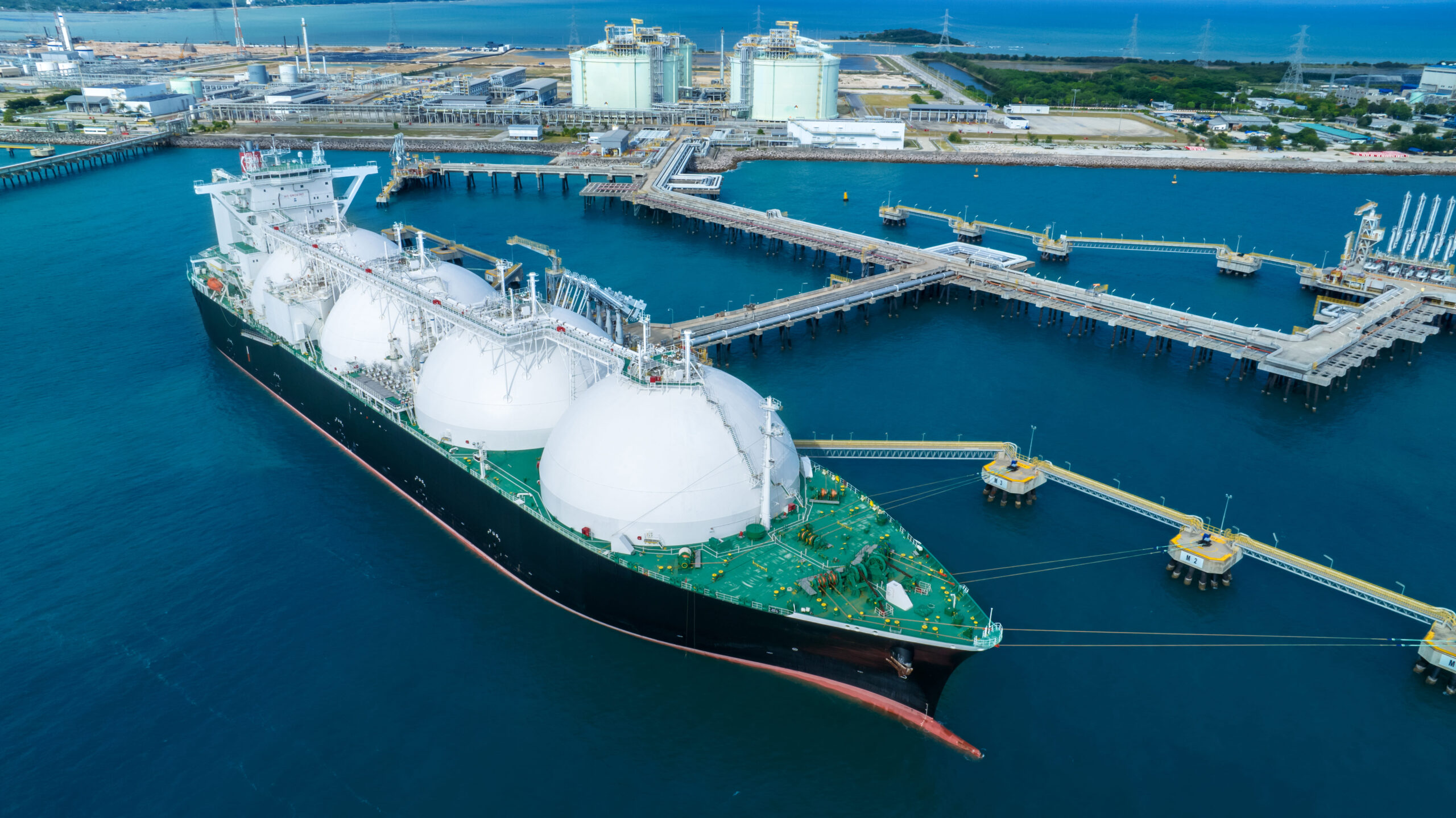
The international petroleum industry consists of interconnected refining centers, storage terminals, marine transportation corridors, pipeline systems, commodity trading hubs, and distribution networks.
Each region offers distinct sourcing advantages depending on infrastructure, refining capacity, and export capability.
Europe
European petroleum markets remain among the world’s most mature, supported by advanced refinery operations, extensive storage terminals, and integrated transportation infrastructure.
Large trading centers within the Amsterdam-Rotterdam-Antwerp region continue facilitating international movement of refined petroleum products, allowing buyers to access diversified supplier networks.
Middle East
The Middle East continues strengthening its position through refinery expansion projects, export terminals, and modern storage facilities. Strategic locations such as Fujairah provide global buyers with access to international shipping lanes connecting Europe, Asia, and Africa.
Asia-Pacific
Asia remains a major refining and trading center supported by integrated petroleum infrastructure across Singapore, South Korea, India, and China. Growing industrial demand continues driving investment in refining capacity and fuel logistics.
Americas
North America’s Gulf Coast continues serving international markets through high-capacity refineries, export terminals, and established marine logistics networks capable of supporting large-scale petroleum movements.
Understanding regional market dynamics enables procurement teams to diversify sourcing strategies while reducing dependence on any single supply region.
Buyer Perspective: Managing Procurement Risk Through Diversification
Industrial buyers increasingly adopt diversified procurement strategies rather than relying on a single supplier relationship.
Supplier diversification helps organizations respond more effectively to:
- refinery maintenance
- shipping delays
- geopolitical disruptions
- weather-related interruptions
- transportation bottlenecks
- temporary inventory shortages
Many procurement professionals establish relationships across multiple regions while monitoring storage utilization, freight conditions, and refinery operating rates throughout the year.
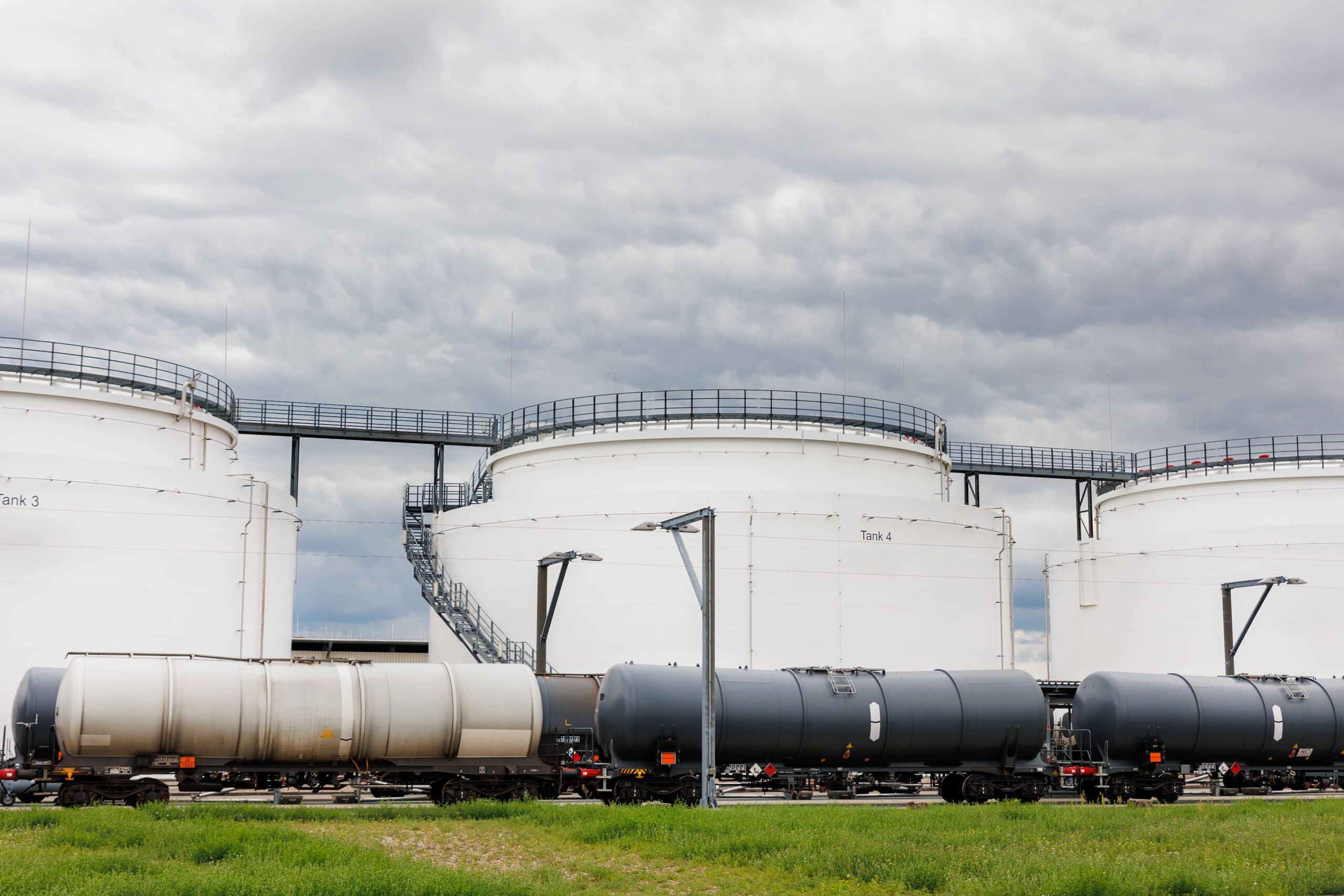
Where storage flexibility becomes important, understanding available <a href=”https://globalpetroleumadvisor.com/tank-farm-storage/“>Tank Farm Storage</a> options can support inventory planning and improve supply continuity during periods of elevated market volatility.
Supplier Perspective: Building Long-Term Commercial Relationships
From a supplier’s standpoint, successful fuel sourcing depends on more than product availability.
Professional suppliers invest in infrastructure, logistics partnerships, inspection standards, and transparent documentation to strengthen buyer confidence.
Key supplier capabilities include:
- Consistent refinery access
- Verified storage capacity
- Product quality assurance
- Marine logistics coordination
- Documentation compliance
- Responsive commercial communication
Suppliers capable of demonstrating operational transparency are generally better positioned to establish long-term procurement relationships with industrial buyers rather than competing solely on short-term pricing.
Verification Remains Central to Fuel Procurement
International petroleum transactions frequently involve multiple commercial participants, including producers, refiners, storage operators, logistics providers, inspection companies, and trading organizations.
As a result, verification has become one of the most critical elements of professional Fuel Sourcing.
Experienced procurement teams commonly review:
- supplier credentials
- refinery relationships
- inspection reports
- terminal accessibility
- export documentation
- logistics capability
- contractual performance
These verification procedures reduce commercial uncertainty while improving confidence throughout the procurement process.
Industry Challenges Affecting Fuel Sourcing
Despite continued investment in global refining and logistics infrastructure, industrial buyers continue facing several challenges when implementing long-term procurement strategies.
Refinery Maintenance Cycles
Scheduled refinery maintenance can temporarily reduce production capacity and influence the availability of refined petroleum products across regional markets. Procurement teams that monitor maintenance calendars are often better positioned to plan purchases before supply becomes constrained.
Logistics and Shipping Constraints
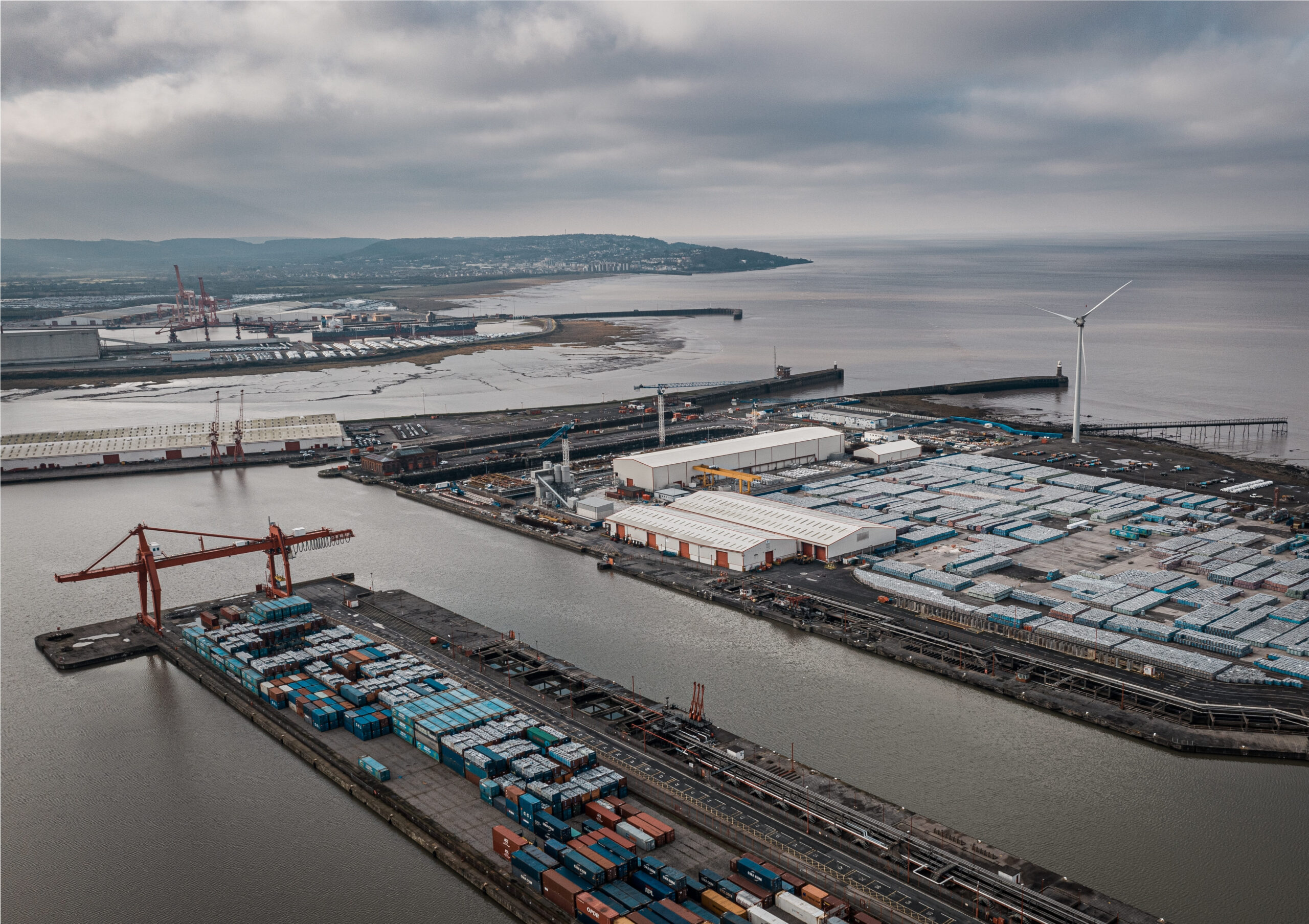
Marine freight availability, port congestion, vessel scheduling, and inland transportation capacity all influence delivery timelines. Even where product availability remains strong, logistical bottlenecks can delay cargo movements and increase procurement costs.
Market Volatility
Crude oil price fluctuations, foreign exchange movements, geopolitical developments, and regional supply disruptions continue influencing petroleum pricing worldwide. Rather than reacting to short-term market movements, many industrial buyers develop procurement frameworks that balance pricing opportunities with supply security.
Regulatory Compliance
Cross-border petroleum transactions require compliance with varying environmental regulations, customs procedures, product specifications, and documentation requirements. Working with experienced suppliers and logistics partners helps reduce administrative complexity while improving transaction efficiency.
Fuel Sourcing Market Opportunities for Industrial Buyers
Although market volatility creates challenges, it also presents opportunities for organizations prepared with structured procurement strategies.
Industrial buyers increasingly benefit from:
- Multi-region supplier networks
- Greater storage flexibility
- Improved refinery output visibility
- Enhanced digital procurement platforms
- Stronger inspection standards
- Better logistics coordination
These developments allow procurement teams to diversify sourcing options while improving resilience against localized supply disruptions.
For buyers sourcing refined petroleum products, understanding regional availability of products such as <a href=”https://globalpetroleumadvisor.com/en590-diesel-fuel-and-gasoline-request-allocation-page/”>EN590 Diesel</a> can also provide valuable market intelligence regarding refinery production priorities and distribution patterns.
Best Practices for Successful Fuel Sourcing
Successful procurement strategies typically combine market intelligence with operational discipline.
Leading industrial procurement teams often adopt the following best practices:
Develop Multiple Supplier Relationships
Maintaining relationships with suppliers across several regions reduces dependence on any single refinery or trading corridor.
Monitor Market Intelligence
Tracking refinery maintenance, export activity, freight conditions, and regional inventory trends enables buyers to anticipate supply changes rather than responding after disruptions occur.
Verify Every Transaction
Verification should extend beyond supplier credentials to include inspection procedures, storage accessibility, logistics capability, and contractual documentation.
Align Procurement with Operations
Fuel purchasing decisions should reflect production schedules, inventory requirements, transportation capacity, and storage availability to reduce operational risk.
Build Long-Term Partnerships
Long-term commercial relationships often improve communication, planning flexibility, and procurement efficiency compared with purely transactional purchasing approaches.
The Growing Role of Digital Energy Marketplaces
Digital marketplaces continue transforming industrial fuel procurement by connecting verified buyers, suppliers, logistics providers, and storage operators within a centralized commercial environment.
Instead of relying exclusively on fragmented communication channels, procurement professionals increasingly value platforms that provide greater visibility into available products, supplier capabilities, and procurement opportunities.
Verified marketplaces also simplify supplier discovery while improving transparency throughout the sourcing process.
Global Petroleum Advisors supports this evolving procurement environment by providing access to a professional energy marketplace designed to connect qualified buyers with verified petroleum supply opportunities across international markets.
Future Outlook for Fuel Sourcing
Global energy markets are expected to remain dynamic as refining investments, infrastructure expansion, environmental policies, and international trade continue evolving.
Several long-term trends are likely to influence industrial fuel procurement:
- Expansion of refinery capacity in strategic export regions
- Continued investment in petroleum storage terminals
- Increased supply chain digitalization
- Greater emphasis on supplier verification
- Enhanced logistics visibility
- More diversified international sourcing strategies
Organizations that integrate market intelligence with structured procurement planning will be better positioned to navigate changing market conditions while improving long-term supply resilience.
Ultimately, successful Fuel Sourcing depends not only on competitive pricing but also on selecting reliable suppliers, maintaining operational flexibility, and building procurement strategies capable of adapting to an increasingly interconnected global petroleum market.
Frequently Asked Questions
What is fuel sourcing?
Fuel sourcing is the process of identifying, evaluating, verifying, and procuring petroleum products from reliable suppliers while considering pricing, logistics, storage, documentation, and long-term supply security.
Why is supplier verification important?
Verification reduces procurement risk by confirming supplier credibility, refinery relationships, storage capability, inspection standards, and export readiness before commercial agreements are finalized.
How can industrial buyers reduce procurement risk?
Diversifying suppliers, monitoring market intelligence, planning purchases strategically, and verifying documentation all contribute to stronger procurement resilience.
Does storage availability affect fuel sourcing?
Yes. Available storage capacity provides greater flexibility for inventory management, shipment scheduling, and responding to changing market conditions.
Why are global procurement strategies becoming more important?
As petroleum markets become increasingly interconnected, procurement teams must account for regional supply changes, logistics performance, regulatory requirements, and international market developments when planning fuel purchases.
Conclusion
Industrial fuel procurement has evolved into a strategic business function requiring careful coordination between market intelligence, supplier verification, logistics planning, and operational requirements. Organizations that approach Fuel Sourcing through diversified supplier networks, structured verification processes, and informed procurement planning are generally better positioned to strengthen supply continuity while managing commercial risk.
As global petroleum markets continue adapting to changing refinery operations, logistics conditions, and regional demand patterns, buyers who maintain visibility across international supply networks can respond more effectively to emerging opportunities.
To explore verified petroleum suppliers, refinery-linked procurement opportunities, and global energy marketplace solutions, visit the Global Petroleum Advisors Marketplace.
Request Global Allocation Access →
https://globalpetroleumadvisor.com/global-fuel-supply-request-form-page












No Comments