


Introduction
Preparing an EN590 ICPO is one of the most important steps in international diesel fuel procurement. An Irrevocable Corporate Purchase Order (ICPO) communicates a buyer’s formal intent to purchase a specified quantity of fuel under defined commercial terms. For suppliers, refineries, and mandate holders, it serves as an early indicator that a prospective buyer is prepared to move beyond preliminary discussions and enter a structured procurement process.
Table of Contents
- Introduction
- Industry Overview: The Role of the EN590 ICPO in Petroleum Trading
- Market Overview: Why Proper Documentation Matters
- Buyer Perspective: Preparing an Effective EN590 ICPO
- Supplier Perspective: Evaluating Incoming ICPOs
- Procurement Considerations Before Issuing an ICPO
- Storage & Logistics: Integrating the ICPO into the Supply Chain
- Documentation & Compliance: Beyond the ICPO
- Inspection & Verification: Managing Commercial Risk
- Common Industry Challenges
- Practical Solutions for Buyers and Suppliers
- Market Opportunities
- Future Outlook
- Conclusion
- Call to Action
- Key Takeaways
- Frequently Asked Questions (FAQ)
- What is an ICPO in EN590 diesel fuel trading?
- Is an ICPO legally binding?
- What information should an EN590 ICPO include?
- What happens after an ICPO is submitted?
- What is the difference between an ICPO and an LOI?
- Should buyers verify suppliers before issuing an ICPO?
- Do all suppliers require an ICPO?
- What role do inspection companies play?
- Internal Links
What Is an ICPO in Oil and Gas Trading?
An Irrevocable Corporate Purchase Order (ICPO) is a formal purchasing document issued by a buyer to communicate the intention to acquire petroleum products under specified commercial conditions. In international EN590 diesel fuel trading, an ICPO typically identifies the purchasing company, product specifications, quantity, delivery terms, payment expectations, and authorized representative.
Unlike an initial Letter of Intent (LOI), an ICPO usually reflects a more advanced stage of procurement discussions. However, its legal effect depends on its wording, applicable law, and the surrounding transaction documents.
In the global petroleum market, however, an ICPO is only one component of a broader transaction workflow. Successful EN590 diesel fuel procurement also depends on supplier verification, refinery allocation, logistics planning, commercial documentation, inspection requirements, and contract execution. A well-prepared ICPO helps reduce misunderstandings, accelerates commercial negotiations, and provides a foundation for subsequent documentation such as Soft Corporate Offers (SCOs), Full Corporate Offers (FCOs), and Sales and Purchase Agreements (SPAs).
This guide explains how procurement professionals should prepare an ICPO, what information it should contain, where it fits within the petroleum trading process, and the practical considerations buyers should address before submitting it.
Industry Overview: The Role of the EN590 ICPO in Petroleum Trading
International petroleum trading follows a structured commercial process designed to reduce transaction risk for both buyers and suppliers. While individual procedures may vary depending on refinery policy or trading practice, most transactions move through a series of documented stages before cargo allocation and shipment.
For EN590 diesel fuel, buyers typically begin by identifying suitable suppliers with available refinery allocations or access to established trading networks. Commercial discussions then progress through requests for quotations, indicative offers, due diligence, and documentary exchanges before an ICPO is submitted.
GLOBAL PETROLEUM ADVISORS
Ready to Source EN590 Diesel Fuel?
Connect with GPA for EN590 diesel procurement assistance,
supplier sourcing, commercial documentation guidance,
and bulk fuel supply opportunities.
The ICPO signals that the buyer has reviewed the commercial offer and is prepared to proceed under specified conditions. Although it is not generally a substitute for a legally binding sales contract, it demonstrates commercial seriousness and enables suppliers to continue internal allocation, compliance, and contractual review processes.
This structured approach is common across global commodity trading and supports efficient coordination between refiners, traders, storage terminal operators, logistics providers, financial institutions, and inspection companies. As international fuel markets become increasingly interconnected, standardized procurement documentation helps reduce delays and improve communication throughout the supply chain.
Market Overview: Why Proper Documentation Matters
Global diesel fuel procurement is influenced by refinery operations, shipping schedules, storage availability, regulatory compliance, and changing market conditions. Allocation windows may be affected by refinery maintenance, seasonal demand, vessel availability, or disruptions along key shipping routes. As a result, suppliers often prioritize enquiries supported by complete and professionally prepared documentation.
An incomplete or inaccurate ICPO may delay negotiations, require additional clarification, or prevent a supplier from progressing a transaction to the next stage. Conversely, a clear and comprehensive purchase order allows both parties to evaluate commercial feasibility more efficiently.
Procurement teams should also recognize that documentation supports more than the commercial agreement itself. It assists with logistics planning, financing discussions, product verification, inspection scheduling, customs documentation, and cargo coordination. Preparing accurate procurement documents at an early stage contributes to smoother execution throughout the transaction lifecycle.
Buyers operating in established trading hubs such as Rotterdam, Fujairah, Houston, and Singapore often encounter standardized commercial practices, making consistency and completeness in procurement documentation particularly important.
Buyer Perspective: Preparing an Effective EN590 ICPO
From a buyer’s perspective, the purpose of an EN590 ICPO is to communicate precise purchasing requirements while demonstrating organizational readiness to proceed with procurement.
An effective ICPO should clearly identify:
- Buyer company details.
- Authorized company representative.
- Product specification (EN590 diesel fuel).
- Requested quantity.
- Delivery schedule.
- Preferred Incoterms (such as FOB or CIF).
- Destination port or loading location.
- Payment expectations.
- Reference to the supplier’s commercial offer, where applicable.
Including accurate information at this stage reduces unnecessary correspondence and enables suppliers to assess whether they can meet the requested allocation.
Procurement managers should ensure that the commercial terms included in the ICPO align with internal purchasing approvals and operational requirements. Submitting unrealistic delivery schedules, unclear destination details, or inconsistent commercial terms may delay negotiations or require amendments before suppliers proceed.
Before issuing an ICPO, buyers should also complete appropriate supplier due diligence. Verifying supplier identity, refinery relationships, corporate registration, and previous transaction history can significantly reduce procurement risk. Early verification is particularly valuable when engaging intermediaries or multiple trading parties.
Organizations seeking reliable counterparties may also use marketplaces such as Global Petroleum Advisors to identify verified suppliers before beginning formal procurement discussions, helping establish greater confidence in the transaction process.
Supplier Perspective: Evaluating Incoming ICPOs
Suppliers review incoming ICPOs not only to assess commercial interest but also to evaluate the credibility and preparedness of prospective buyers.
A professionally prepared ICPO demonstrates that the buyer understands international petroleum procurement procedures and has considered key commercial variables before approaching the market. Suppliers generally examine whether the requested quantities align with available allocations, whether delivery terms are realistic, and whether the commercial framework corresponds with current trading practices.
Incomplete documentation may require further clarification before progressing to formal negotiations. Missing company information, inconsistent product specifications, or unclear payment terms can create unnecessary delays and increase administrative workload for both parties.
Supplier verification also remains an important part of the transaction process. Reputable suppliers expect buyers to conduct due diligence, just as buyers should expect suppliers to provide appropriate corporate documentation, evidence of trading capability where appropriate, and supporting commercial information before contract execution.
This mutual verification process contributes to greater transparency and supports long-term commercial relationships across the petroleum supply chain.
Procurement Considerations Before Issuing an ICPO
Preparing an ICPO should be the culmination of preliminary procurement planning rather than the beginning of it. Buyers should first determine whether the proposed transaction aligns with their operational, financial, and logistical capabilities.
Several commercial considerations deserve attention before submitting the document.
First, procurement teams should confirm the preferred Incoterms. Whether purchasing on an FOB or CIF basis affects responsibility for freight, insurance, shipping coordination, and risk transfer during transportation.
For a more detailed explanation of how these arrangements work, buyers can review GPA’s guide to bulk EN590 and Jet A1 supply in FOB trading hubs.
Second, buyers should understand supplier allocation procedures. Some suppliers work directly with refineries, while others operate through trading allocations or storage positions. Knowing the source of supply helps establish realistic expectations regarding delivery schedules and documentation.
Third, organizations should consider storage availability at the destination. Where immediate discharge is not possible, advance arrangements with tank storage operators may be necessary to avoid costly delays once cargo arrives.
Finally, procurement teams should anticipate the documentation required after the ICPO is accepted. Depending on the transaction structure, subsequent stages may include commercial invoices, draft sales contracts, inspection arrangements, proof of product availability, shipping documentation, and quality certification. Understanding this broader procurement workflow allows buyers to prepare internal approvals and coordinate effectively with logistics, finance, and compliance teams.
Storage & Logistics: Integrating the ICPO into the Supply Chain
Once an ICPO has been acknowledged and the commercial framework begins to take shape, attention shifts from procurement planning to execution. At this stage, storage availability, transportation capacity, and terminal operations become critical factors influencing delivery schedules.
For FOB transactions, buyers are generally responsible for nominating a suitable vessel within the agreed loading window. This requires close coordination between the buyer, shipowner, terminal operator, and supplier to ensure the cargo can be loaded without unnecessary delays. Failure to meet vessel nomination deadlines may result in revised loading schedules or additional costs.
In CIF transactions, suppliers typically arrange freight and marine insurance, but buyers must still prepare for cargo reception at the discharge port. Confirming berth availability, customs procedures, and inland distribution plans before shipment helps reduce operational disruptions.
Storage terminals also play an important role in balancing refinery production with downstream demand. Temporary tank storage may be required when discharge schedules do not align with immediate consumption or onward distribution. Procurement teams should therefore evaluate storage capacity alongside product availability during transaction planning rather than after contracts have been signed.
Buyers planning storage-supported transactions can also explore GPA’s guide to EN590 tank storage and procurement in the UAE for additional information about integrating storage arrangements into petroleum procurement.
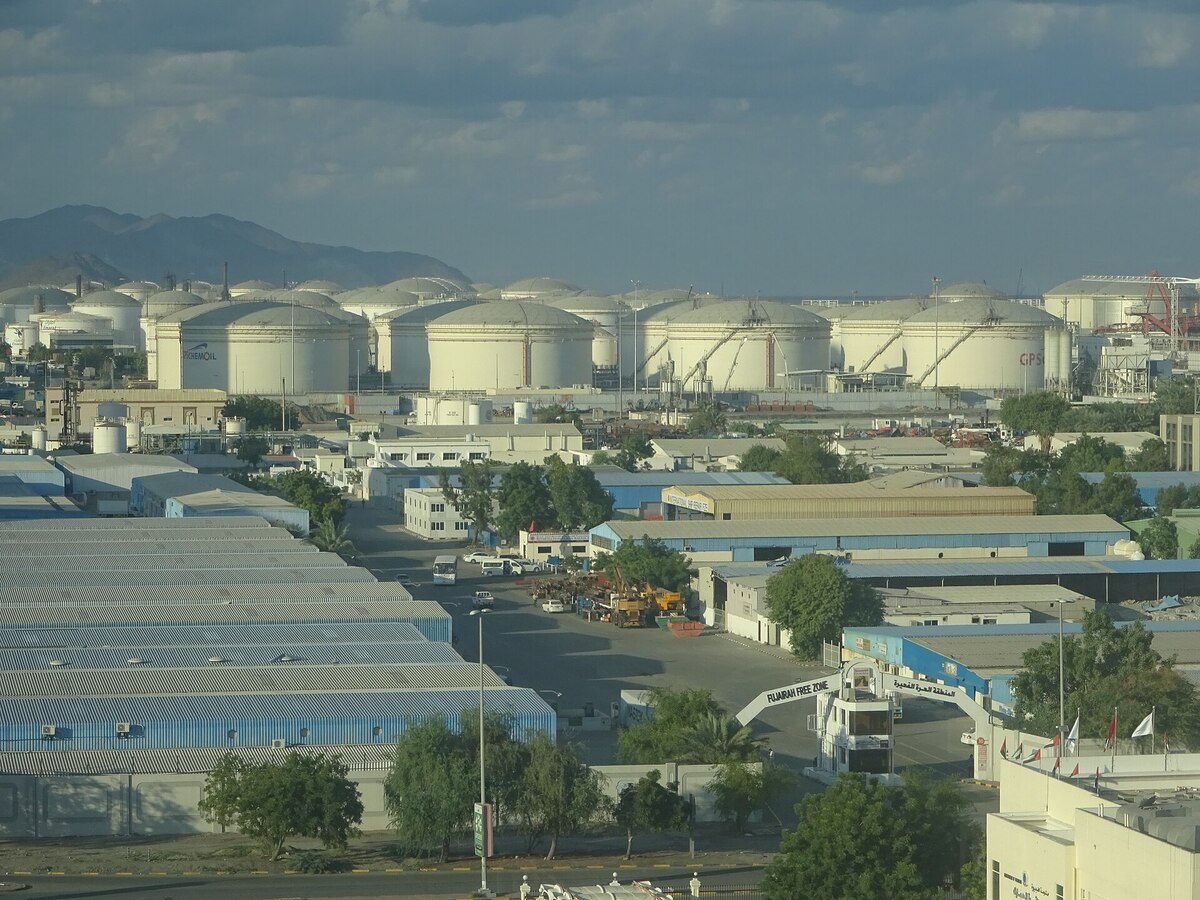
International trading hubs such as Rotterdam, Fujairah, Houston, and Singapore demonstrate how integrated terminal infrastructure supports efficient petroleum logistics. Their combination of storage facilities, pipeline networks, marine terminals, and inspection services enables buyers and suppliers to coordinate cargo movements more effectively.
Documentation & Compliance: Beyond the ICPO
An ICPO is only one document within a much broader commercial documentation process. Once negotiations progress, buyers and suppliers exchange additional documents that support contract execution, financing, customs clearance, and quality assurance.
Although documentation requirements differ depending on refinery policy and transaction structure, buyers should expect to review documents such as:
- Sales and Purchase Agreements (SPA)
- Commercial invoices
- Product specifications
- Certificates of Origin
- Certificates of Quality
- Bills of Lading
- Packing and shipping documentation
- Customs documentation where applicable
Independent inspection companies also play an important role in verifying product quality and quantity. Organizations such as SGS and Bureau Veritas are frequently engaged to conduct inspections before loading, during custody transfer, or at discharge, depending on contractual requirements.
Compliance extends beyond product quality. Procurement teams should also ensure transactions comply with applicable sanctions, import regulations, environmental requirements, and contractual obligations. Understanding these requirements early reduces the likelihood of costly delays during cargo movement.
Inspection & Verification: Managing Commercial Risk
Verification is a fundamental component of international petroleum procurement. Both buyers and suppliers benefit from confirming the identity, capability, and commercial standing of their counterparties before entering contractual commitments.
For buyers, supplier verification may include reviewing corporate registration, trading history, refinery relationships, and evidence of product access. This due diligence helps distinguish legitimate market participants from organizations unable to perform under contract.
Similarly, suppliers often verify prospective buyers by reviewing company credentials, purchasing authority, and financial capability before allocating resources to a transaction.
Product verification is equally important. Independent inspections help confirm that EN590 diesel fuel meets agreed specifications before title transfers or cargo acceptance. Inspection reports provide confidence that the delivered product conforms to contractual quality requirements and can assist in resolving disputes should discrepancies arise.
Quality assurance is particularly important in international supply chains involving multiple intermediaries, storage terminals, and transportation providers.
Common Industry Challenges
Even well-prepared procurement transactions can encounter operational and commercial challenges.
One of the most common issues is documentation inconsistency. Minor discrepancies between purchase orders, contracts, shipping documents, or inspection certificates may delay banking processes, customs clearance, or cargo release.
Market volatility presents another challenge. Refinery maintenance, unexpected outages, geopolitical developments, and changing freight markets can influence product availability and shipment timing. Procurement managers should therefore maintain flexibility when planning delivery schedules.
Shipping disruptions may also affect cargo movement. Port congestion, adverse weather, vessel availability, and changes in maritime regulations can alter transit times and increase transportation costs.
Supplier selection remains another significant consideration. Choosing counterparties without adequate verification may expose buyers to unnecessary commercial risk, emphasizing the importance of comprehensive due diligence before issuing an ICPO.
Practical Solutions for Buyers and Suppliers
Several practical measures can improve procurement outcomes and reduce transaction risk.
Buyers should begin by preparing complete and accurate procurement documentation supported by realistic commercial requirements. Clear communication at the outset often prevents misunderstandings later in the transaction.
Supplier verification should form part of every procurement strategy. Confirming corporate credentials, commercial capability, and relevant documentation before negotiations advance contributes to more efficient transactions.
Procurement teams should also involve logistics providers, inspection companies, and storage operators early in the planning process. Coordinated planning reduces the likelihood of scheduling conflicts once cargo allocation has been confirmed.
Maintaining flexibility is equally important. Alternative loading windows, contingency logistics plans, and advance storage arrangements can help organizations respond to changing market conditions without interrupting supply.
Digital petroleum marketplaces such as Global Petroleum Advisors can support this process by helping buyers identify verified suppliers, explore available tank storage opportunities, publish procurement requirements, submit RFQs, and review supplier and mandate listings within a structured marketplace environment.
Market Opportunities
Global diesel fuel markets continue to evolve as refinery investments, infrastructure development, and changing trade flows reshape procurement strategies.
Refinery modernization projects, terminal expansions, and improvements in pipeline infrastructure are increasing supply flexibility in several regions. At the same time, growing industrial activity, mining operations, marine transportation, and power generation continue to support demand for diesel fuel in many international markets.
Digital procurement platforms are also changing how buyers and suppliers identify commercial opportunities. Rather than relying exclusively on traditional trading networks, procurement professionals increasingly use specialized marketplaces to compare suppliers, manage documentation, and improve transparency throughout the sourcing process.
Organizations that combine disciplined procurement procedures with strong supplier verification and effective logistics planning are generally better positioned to respond to evolving market conditions.
Future Outlook
The future of petroleum procurement is expected to become increasingly digital, data-driven, and integrated across the supply chain.
Electronic documentation, automated compliance checks, digital verification processes, and centralized procurement platforms are gradually reducing administrative complexity while improving transaction visibility.
At the same time, greater emphasis on supply chain resilience means buyers are placing increased importance on supplier diversification, storage flexibility, and logistics planning. Although the global energy transition continues to influence long-term fuel demand, EN590 diesel fuel is expected to remain an important product for transportation, industrial operations, agriculture, and heavy equipment across many regions.
For procurement professionals, success will increasingly depend on combining commercial expertise with disciplined documentation, effective risk management, and informed market intelligence.
Conclusion
Preparing an EN590 ICPO involves considerably more than completing a purchase order. It represents a structured step within the broader EN590 diesel fuel procurement process, connecting commercial negotiations with supplier verification, refinery allocation, logistics planning, inspection, and contractual execution.
A well-prepared ICPO provides suppliers with the information needed to evaluate a transaction while helping buyers demonstrate commercial readiness. When supported by thorough due diligence, accurate documentation, realistic logistics planning, and appropriate compliance procedures, it contributes to more efficient and transparent petroleum transactions.
As international fuel markets continue to evolve, procurement organizations that adopt disciplined documentation practices and maintain strong verification standards will be better positioned to manage commercial risk and execute successful cross-border fuel purchases.
Call to Action
If you are preparing to source EN590 diesel fuel, begin by ensuring your procurement documentation, supplier verification, and logistics planning are aligned with industry best practices.
Global Petroleum Advisors provides a marketplace where procurement professionals can identify verified suppliers, explore tank storage opportunities, submit RFQs, publish buying requirements, and discover available petroleum trading opportunities. It also serves as a resource for understanding the broader procurement process surrounding EN590 diesel fuel transactions before moving into formal commercial negotiations.
Key Takeaways
- An EN590 ICPO is a formal purchase document that demonstrates a buyer’s intent to procure diesel fuel under defined commercial terms.
- A well-prepared ICPO should include accurate buyer information, product specifications, quantity, Incoterms, destination, delivery schedule, and authorized signatures.
- An ICPO forms part of a broader procurement process that includes supplier verification, refinery allocation, contract negotiation, logistics planning, inspection, and cargo delivery.
- Independent inspection companies such as SGS and Bureau Veritas help verify product quality and quantity during petroleum transactions.
- Buyers should complete supplier due diligence before issuing an ICPO to reduce procurement risk and improve transaction efficiency.
- Storage availability, shipping schedules, and documentation should be planned alongside procurement to avoid delays after cargo allocation.
Frequently Asked Questions (FAQ)
What is an ICPO in EN590 diesel fuel trading?
An Irrevocable Corporate Purchase Order (ICPO) is a formal document issued by a buyer indicating a serious intention to purchase EN590 diesel fuel under specified commercial terms. It typically initiates the next stage of supplier review and commercial negotiations.
Is an ICPO legally binding?
An ICPO is generally considered an expression of commercial intent rather than the final legally binding agreement. The legally enforceable obligations are usually established through the subsequent Sales and Purchase Agreement (SPA) or other executed contracts. The legal effect of any ICPO depends on its wording and the governing law.
What information should an EN590 ICPO include?
A professionally prepared ICPO normally includes:
- Buyer company name
- Registered company address
- Authorized representative
- Product specification (EN590 diesel fuel)
- Quantity required
- Delivery schedule
- Preferred Incoterms (FOB or CIF)
- Destination port
- Payment terms
- Buyer signature and company stamp (where applicable)
What happens after an ICPO is submitted?
After reviewing the ICPO, the supplier may:
- Conduct buyer due diligence.
- Confirm product availability or refinery allocation.
- Issue additional commercial documentation.
- Negotiate final contract terms.
- Coordinate inspection, logistics, and shipment planning.
The exact sequence varies depending on the supplier’s procedures and transaction structure.
What is the difference between an ICPO and an LOI?
A Letter of Intent (LOI) usually expresses preliminary interest in a transaction, whereas an ICPO contains detailed purchasing requirements and demonstrates a more advanced stage of procurement.
Should buyers verify suppliers before issuing an ICPO?
Yes. Buyers should verify supplier identity, corporate registration, commercial capability, and product access before committing significant resources to a transaction. Supplier verification helps reduce commercial risk and supports informed procurement decisions.
Do all suppliers require an ICPO?
No. Documentation requirements vary between refineries, traders, and mandate holders. Some suppliers may request an LOI or other preliminary documentation before asking for an ICPO.
What role do inspection companies play?
Independent inspection companies may verify product quality, quantity, and loading conditions before shipment or during cargo transfer. Their reports provide additional confidence that contractual specifications have been met.
Internal Links
Use one internal link per relevant section of the article.


Need Petroleum Supply
Latest Posts



You Might Also Like
Australia-based global energy trading and supply network delivering verified petroleum allocations worldwide.
No Comments