Market Signal Summary
EN590 diesel procurement in the United Arab Emirates continues to be shaped by a combination of storage availability, regional trading activity, refinery output management, and evolving shipping dynamics across the Middle East. As global petroleum markets adjust to changing trade flows and refinery maintenance schedules, fuel storage infrastructure has become an increasingly important component of procurement strategy rather than simply a logistics function.
The UAE remains one of the most strategically positioned energy trading hubs globally. Its proximity to major refining centers, international shipping lanes, and export-oriented petroleum infrastructure allows traders, procurement teams, and mandate holders to access multiple supply channels within a relatively concentrated geographic area. For market participants seeking reliable access to EN590 Diesel, storage availability has become an important indicator of market accessibility and execution capability.
Storage utilization rates are also increasingly influencing procurement timing. During periods of elevated trading activity, available tank capacity can tighten, creating operational bottlenecks even when refinery production remains adequate. As a result, buyers are paying closer attention to storage availability, terminal throughput, and vessel scheduling when evaluating procurement opportunities.
The UAE’s role has expanded beyond serving domestic demand. The country now functions as a regional redistribution center supporting fuel movements toward Africa, South Asia, and other emerging markets. This shift has increased the importance of storage infrastructure in maintaining supply flexibility and supporting large-volume transactions.
According to the International Energy Agency (IEA), global oil demand continues to be influenced by transportation activity, industrial consumption, and regional economic growth patterns. These factors indirectly affect middle-distillate markets, including diesel procurement and storage planning. In this environment, storage assets increasingly serve as strategic tools for managing supply chain resilience and execution efficiency.
Global Market Breakdown
Europe
European diesel markets continue to balance domestic refinery output with imported volumes from multiple regions. Refinery maintenance schedules and environmental regulations remain key factors influencing supply availability. European buyers frequently monitor Middle Eastern storage hubs when evaluating alternative procurement options and supply diversification strategies.
Asia
Asian demand remains a significant driver of middle-distillate trading activity. Industrial consumption, transportation demand, and export manufacturing continue to support fuel requirements throughout the region. UAE storage facilities often play a supporting role in facilitating fuel movements toward South Asian markets.
Middle East
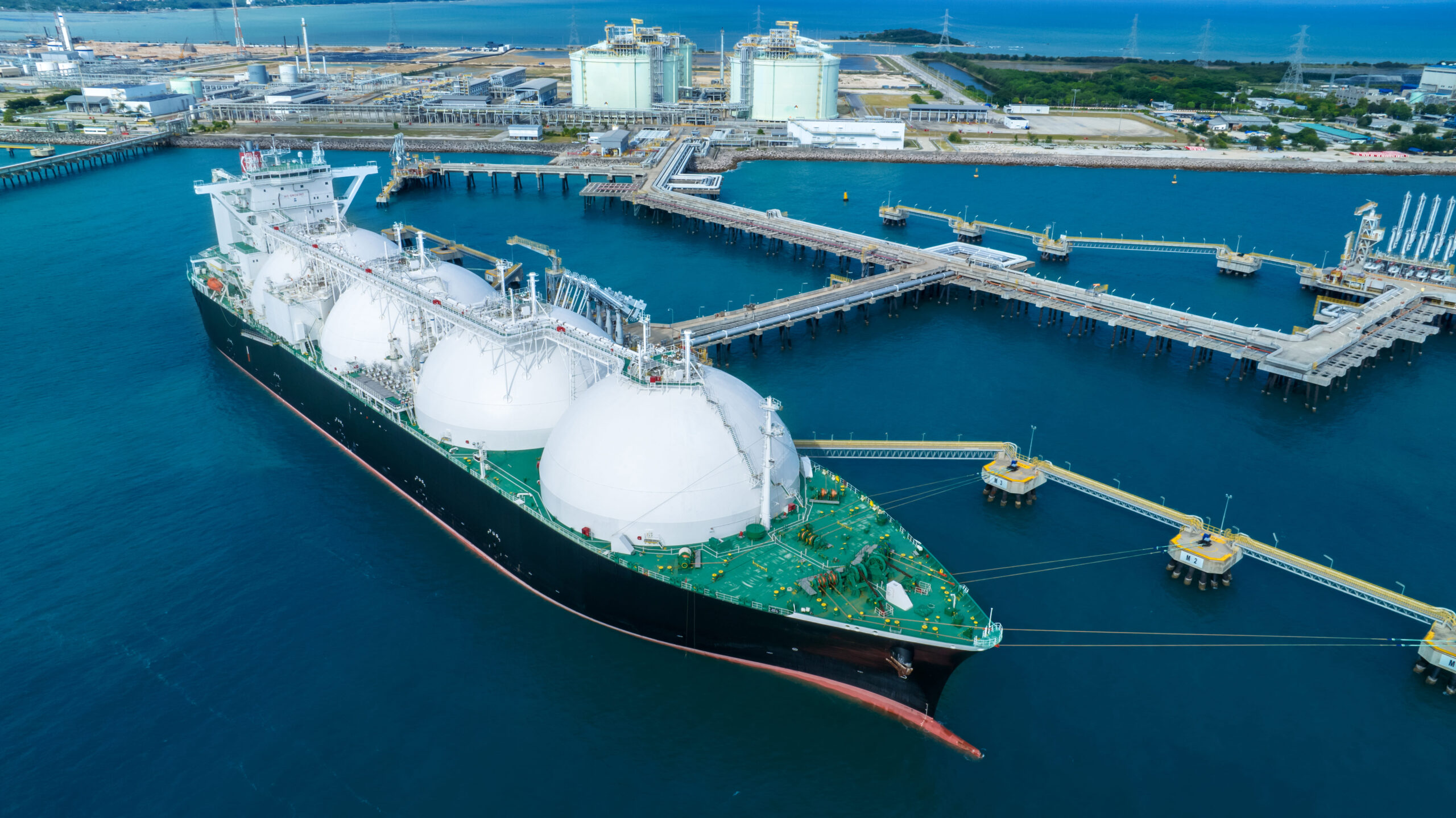
The Middle East remains a critical center for refinery production, export logistics, and petroleum storage infrastructure. Major trading hubs continue to benefit from integrated refinery networks, marine terminals, and expanding storage capacity. Facilities associated with Tank Farm Storage operations increasingly support both regional consumption and international trade flows.
Africa
African markets continue to rely heavily on imported refined products. Storage constraints in certain regions create opportunities for suppliers capable of maintaining consistent logistics performance. Procurement teams frequently evaluate UAE-origin supply chains due to established shipping routes and storage accessibility.
Americas
While North and South American markets operate under different supply dynamics, global diesel trade flows remain interconnected through pricing signals, freight economics, and refinery utilization rates. Changes in export activity from the Americas can influence market balancing across multiple regions.
Across all regions, freight conditions remain an important consideration. Shipping schedules, port congestion, vessel availability, and marine insurance costs continue to affect transaction execution timelines. These logistical variables increasingly influence procurement planning and contract negotiations.
Buyer Impact Analysis
For procurement teams, storage availability has become a key component of supply risk assessment. Traditional procurement decisions focused primarily on price and supplier capability. Today, buyers increasingly evaluate terminal access, storage flexibility, and logistical readiness alongside commercial terms.
Pricing pressure can emerge when storage capacity becomes constrained during periods of elevated demand. Even when sufficient product exists within the market, limited storage availability may create temporary procurement challenges. This dynamic highlights the importance of evaluating physical infrastructure alongside supply offers.
Allocation competition can also increase during periods of refinery maintenance or unexpected supply disruptions. Buyers seeking large volumes often face heightened competition for available cargoes and storage slots. In such environments, procurement timing becomes increasingly important.
Supply chain risk exposure remains another critical factor. Buyers operating across multiple jurisdictions must manage shipping schedules, customs requirements, terminal access procedures, and documentation compliance. Delays within any segment of the supply chain can impact contract performance.
The procurement environment also continues to evolve as market participants place greater emphasis on due diligence and supplier verification. Storage arrangements, terminal accessibility, and logistics planning increasingly influence buyer confidence during transaction evaluation.
For organizations handling large-volume diesel procurement, visibility into storage infrastructure provides an additional layer of operational assurance that extends beyond traditional pricing analysis.
Supply Opportunity Shifts
Several developments continue to influence procurement opportunities across the UAE fuel market.
Refinery modernization projects throughout the Middle East have improved production flexibility and operational efficiency. These investments support the ability of regional producers to respond to changing market conditions while maintaining export competitiveness.
Storage infrastructure expansion remains another important trend. Additional tank capacity enhances operational flexibility, supports inventory management, and improves supply chain resilience. Storage assets increasingly serve as strategic infrastructure supporting regional and international trade.
Trade route optimization is also reshaping procurement strategies. Shipping operators continue to evaluate cost-efficient routing options while adapting to evolving freight conditions and market demand patterns. Improved route efficiency can enhance delivery reliability and support competitive procurement structures.
Market participants are also monitoring developments in Crude Oil supply flows. Changes in upstream production, refinery feedstock availability, and export dynamics can influence refined product output and procurement conditions over time.
Infrastructure investment remains an important market signal. Governments, terminal operators, and private-sector participants continue to allocate capital toward storage, logistics, and export facilities. These investments often indicate long-term confidence in regional energy trading activity and future demand growth.
As storage networks expand and logistics capabilities improve, procurement teams may gain access to additional sourcing options and greater operational flexibility.
Procurement Monitoring Signals
Current market conditions suggest that procurement teams should maintain a proactive monitoring posture rather than relying exclusively on spot market opportunities.
Storage utilization trends remain important indicators of market accessibility. Buyers should continue evaluating terminal availability, vessel scheduling, and inventory positioning when planning procurement activities.
Diversification also remains a valuable strategy. Organizations that maintain access to multiple sourcing channels often improve resilience against localized disruptions and changing market conditions.
Logistics readiness continues to influence execution outcomes. Procurement planning increasingly requires coordination between suppliers, storage operators, shipping providers, and receiving facilities. Early visibility into logistical requirements can reduce execution risk and improve operational efficiency.
Inventory management strategies may also require adjustment as market conditions evolve. Storage availability can influence procurement timing, contract structuring, and supply continuity planning.
Market participants monitoring allocation visibility, terminal utilization, and freight conditions will likely maintain stronger positioning within a competitive procurement environment.
Strategic Market Outlook
The UAE is expected to remain a major hub for EN590 diesel storage, logistics, and procurement activity due to its strategic location, integrated energy infrastructure, and established trading ecosystem. Storage availability will likely continue influencing procurement flexibility, transaction execution, and supply chain resilience.
Refinery output, freight conditions, and regional demand patterns will remain key variables affecting market direction. For buyers, understanding the relationship between storage infrastructure and procurement strategy may become increasingly important as competition for supply and logistics resources evolves.
Organizations maintaining visibility into storage trends, terminal operations, and regional supply developments will be better positioned to navigate changing market conditions and identify emerging procurement opportunities.
👉 Request allocation from refinery-linked supply network








No Comments