Market Signal Summary
Fuel Storage remains one of the most important components of the global petroleum supply chain, acting as the bridge between refinery production, international shipping, terminal logistics, and end-user consumption. Across major trading hubs, storage infrastructure directly influences supply availability, pricing flexibility, export capacity, and procurement timing for institutional buyers.
Recent market conditions have highlighted the strategic role of storage assets as refinery maintenance cycles, shipping disruptions, and regional demand fluctuations continue to reshape global petroleum flows. According to Reuters (https://www.reuters.com), storage utilization rates across several energy hubs have become increasingly important indicators for traders monitoring supply balances and future allocation opportunities.
For buyers engaged in petroleum procurement, understanding how Fuel Storage works is no longer merely an operational consideration. It has become a critical intelligence factor influencing contract negotiations, cargo scheduling, allocation access, and regional arbitrage opportunities.
As crude producers, refiners, traders, and logistics operators adjust to changing market conditions, storage infrastructure remains central to the movement of Crude Oil, refined fuels, and petrochemical feedstocks across international markets.
Global Market Breakdown
Fuel storage systems function as temporary holding points between production and consumption. They support refinery operations, maintain supply continuity, and provide flexibility during periods of market imbalance.
Regions Most Influenced by Fuel Storage Activity
- Northwest Europe (Rotterdam and Baltic Corridor)
- Middle East export hubs including Fujairah
- Singapore and the broader Asia-Pacific region
- Gulf Coast terminals in North America
- Emerging import hubs across Africa
Fuel Types Most Commonly Stored
- Crude Oil
- EN590 Diesel
- Jet Fuel A1
- Fuel Oil
- Gasoline
- D6 Virgin Oil
Logistics Factors Affecting Storage Operations
- Refinery maintenance schedules
- Tank farm utilization rates
- Shipping vessel availability
- Port congestion
- Pipeline constraints
- Seasonal fuel demand fluctuations
Market Direction
Current market conditions continue to support strong demand for strategically located storage assets. According to S&P Global (https://www.spglobal.com), energy traders increasingly monitor storage utilization alongside refinery output data to identify emerging supply opportunities and pricing trends.
Global trading centers such as Rotterdam, Fujairah, Houston, and Singapore remain critical refinery-linked trading hubs where storage capacity directly affects cargo availability and export activity.
How Fuel Storage Works Within Global Petroleum Trade
Fuel storage begins immediately after production. Once crude oil is processed through refinery systems, finished products are transferred into dedicated storage tanks pending distribution.
Large-scale storage infrastructure typically consists of:
- Above-ground tank farms
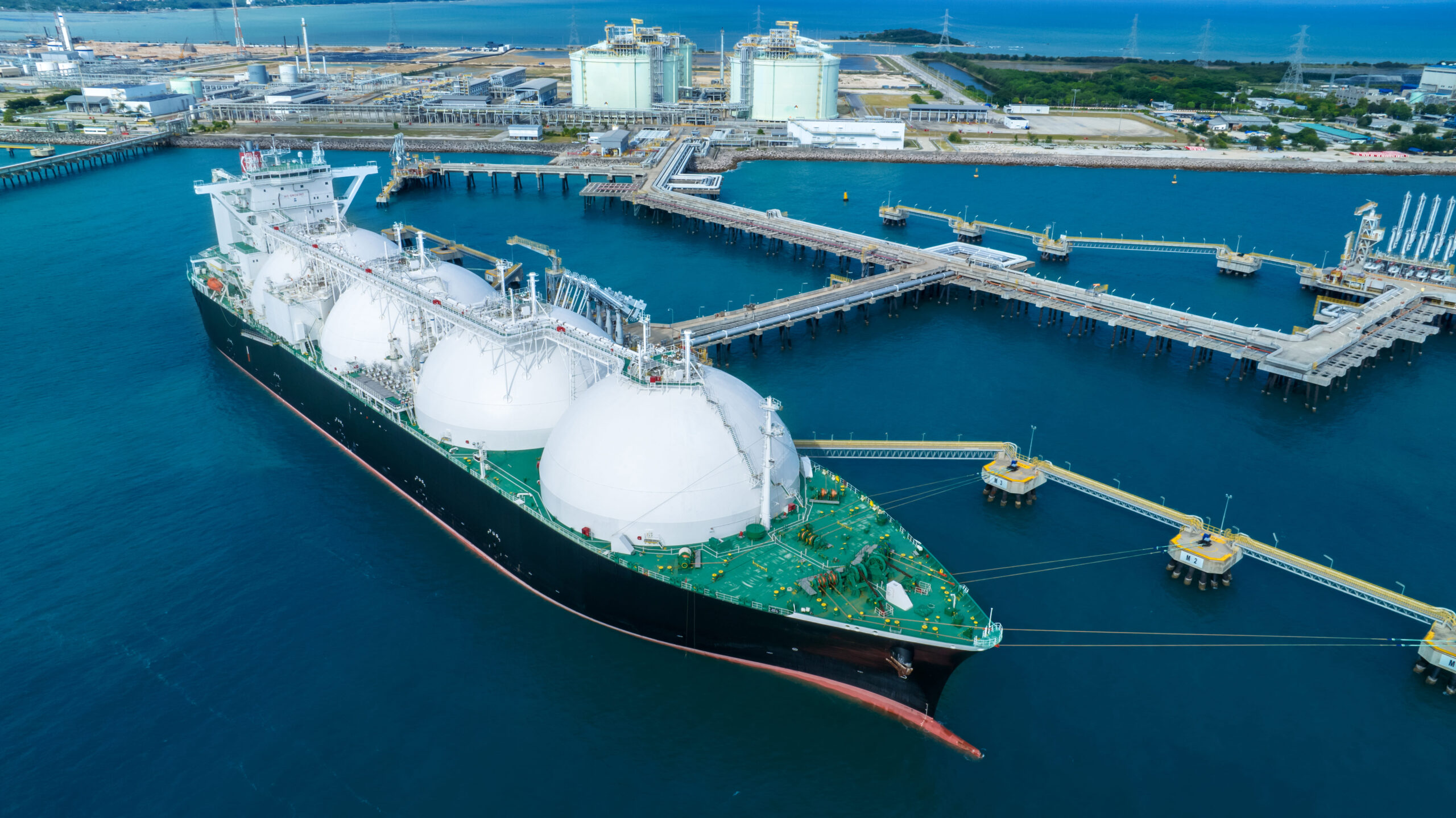
- Marine storage terminals
- Strategic petroleum reserves
- Pipeline-connected depots
- Export loading facilities
Products entering storage may remain in tanks for days, weeks, or months depending on market demand, freight conditions, and pricing expectations.
For example, when diesel demand weakens temporarily, refiners may increase storage utilization while waiting for stronger pricing signals. Conversely, during periods of supply shortages, stored inventories can be rapidly released into the market.
This is one reason why access to dedicated Tank Farm Storage often becomes a significant competitive advantage for traders and procurement groups operating in international petroleum markets.
Storage also serves as a balancing mechanism between refinery output cycles and end-user demand, helping stabilize supply during periods of volatility.
Refinery-Linked Trading Hubs and Storage Networks
The world’s largest petroleum trading hubs combine refining, storage, and export infrastructure into integrated logistics ecosystems.
Rotterdam
Rotterdam remains one of the most influential fuel storage and distribution centers globally. Storage facilities support substantial movements of EN590 Diesel, gasoline, fuel oil, and petrochemical feedstocks throughout Europe and international export markets.
Fujairah
Fujairah continues to play a critical role in Middle Eastern energy logistics. Storage terminals support regional exports, fuel blending operations, and marine bunkering activities.
Singapore
Singapore’s Jurong complex serves as one of Asia’s most important refinery-linked trading hubs. Storage assets support regional redistribution of refined products throughout the Asia-Pacific market.
Houston Gulf Coast
North American storage infrastructure supports crude exports, refined product distribution, and international fuel trading activity across Atlantic and Pacific shipping routes.
Price Influence Zones and Regional Arbitrage
Storage capacity frequently influences pricing dynamics across major petroleum markets.
When storage levels rise:
- Supply availability generally increases
- Spot pricing pressure may develop
- Refiners may reduce throughput
When storage levels decline:
- Procurement competition intensifies
- Spot premiums may increase
- Allocation windows become more competitive
These dynamics create regional arbitrage opportunities between Europe, Asia, the Middle East, Africa, and the Americas.
Market participants often monitor storage trends alongside crude benchmarks, freight rates, and refinery utilization data to identify favorable sourcing opportunities.
Argus Media (https://www.argusmedia.com) regularly highlights storage movements as a leading indicator for future product pricing and regional supply shifts.
Buyer Impact Analysis
Pricing Pressure
Storage availability directly affects fuel pricing across international markets. Reduced storage capacity can accelerate procurement competition and contribute to upward pricing pressure.
Supply Risk
Buyers relying on single sourcing regions may face increased exposure during periods of infrastructure disruption or terminal congestion.
Procurement Urgency
Institutional buyers increasingly secure allocations earlier when storage availability begins tightening in key export hubs.
Market participants sourcing Crude Oil, Jet Fuel A1, and refined products often use storage intelligence to determine optimal procurement timing.
Supply Opportunity Shifts
Several trends continue shaping global fuel storage activity.
Alternative Sourcing Regions
- Baltic Corridor
- Mediterranean export terminals
- Middle Eastern logistics hubs
- Asia-Pacific redistribution centers
Refinery Output Changes
Maintenance cycles and operational adjustments continue influencing storage demand and regional supply balances.
Storage and Logistics Shifts
Growing investment in strategic storage infrastructure is improving flexibility across several emerging markets.
New Trade Routes
Changing freight economics and geopolitical developments continue encouraging alternative shipping corridors linking Europe, Asia, Africa, and the Americas.
These developments are creating new opportunities for traders seeking access to refined products and allocation-based supply channels.
Buyers evaluating opportunities involving D6 Virgin Oil and other petroleum products increasingly rely on storage intelligence when assessing procurement strategies.
Action Signal
Current market conditions reinforce several procurement priorities:
- Secure allocation opportunities before storage bottlenecks emerge.
- Lock logistics arrangements early during periods of elevated demand.
- Diversify sourcing across multiple refinery-linked regions.
- Monitor storage utilization alongside refinery output cycles.
- Track freight conditions and port congestion indicators.
- Maintain flexibility across procurement channels.
Storage intelligence remains one of the most effective tools available for identifying supply opportunities before broader market shifts become visible.
Closing
Fuel Storage remains a foundational element of global petroleum trade, influencing supply security, pricing dynamics, export activity, and procurement flexibility across major energy markets.
As refinery output cycles, freight conditions, and regional demand patterns continue evolving, storage infrastructure will remain central to global energy distribution networks.
Institutional buyers, traders, brokers, and mandate holders seeking competitive procurement advantages should closely monitor storage availability, refinery-linked logistics activity, and emerging arbitrage opportunities across key trading hubs.
Request allocation from refinery-linked supply network.
Submit ICPO / Access Trading Desk







No Comments