MARKET SIGNAL SUMMARY
Global Refining Capacity dynamics centered on Rotterdam are tightening as European energy security, diesel import dependence, and refinery margin cycles continue to reshape fuel flows across Atlantic and Eurasian trading corridors.
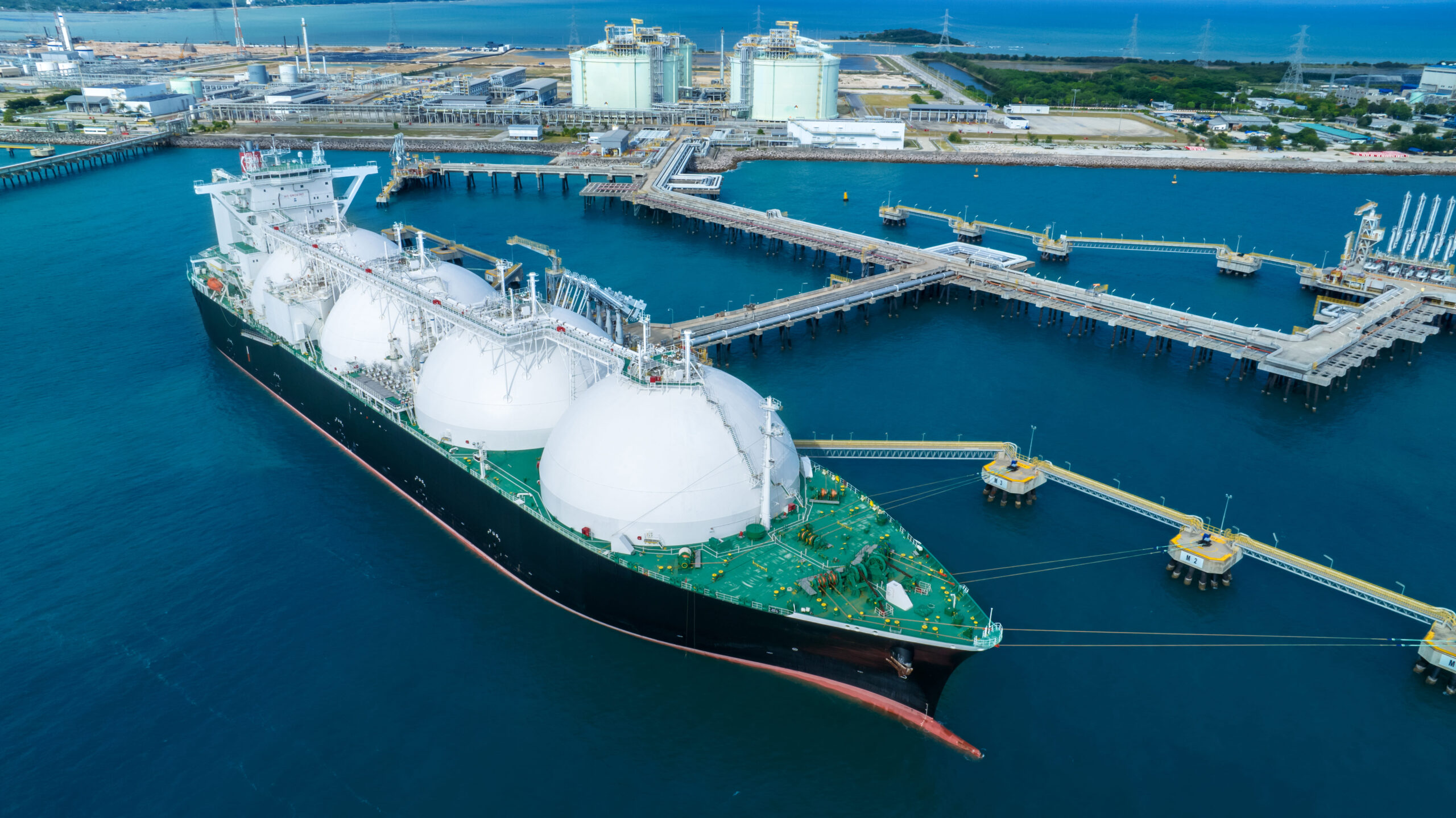
The Rotterdam refining and storage complex remains one of the most strategically important nodes in global Refining Capacity, functioning as both a price formation hub and redistribution gateway for diesel, jet fuel, and blended petroleum products moving into Europe and Africa.
According to the IEA https://www.iea.org, European refining systems are operating under long-term structural pressure due to declining domestic capacity utilization, rising import dependency, and increased competition from Asian and Middle Eastern export refiners.
These shifts directly influence availability and pricing of EN590 Diesel https://globalpetroleumadvisor.com/en590-diesel-fuel-and-gasoline-request-allocation-page/, aviation-grade Jet Fuel A1 https://globalpetroleumadvisor.com/jetfuel-a1/, and structured allocation flows linked to institutional procurement desks managing global petroleum sourcing strategies.
GLOBAL MARKET BREAKDOWN
Rotterdam Refining System in Global Context
Rotterdam’s Refining Capacity is structurally integrated into global fuel balancing systems:
- Northwest Europe refining assets are operating at reduced margins due to high energy input costs
- Import dependency on refined diesel is increasing across EU markets
- Middle distillates remain the most critical supply segment across European consumption
- Storage-linked redistribution systems are absorbing volatility in refinery output cycles
- Crude intake economics remain strongly linked to global Crude Oil https://globalpetroleumadvisor.com/crude-oil/ pricing shifts
Fuel Types Impacted
- Diesel (EN590-grade supply flows)
- Jet fuel aviation demand chains
- Marine bunker fuels across Atlantic routes
- Blended fuel oil and industrial feedstocks
Logistics and Market Pressure Factors
- refinery maintenance cycles across EU assets
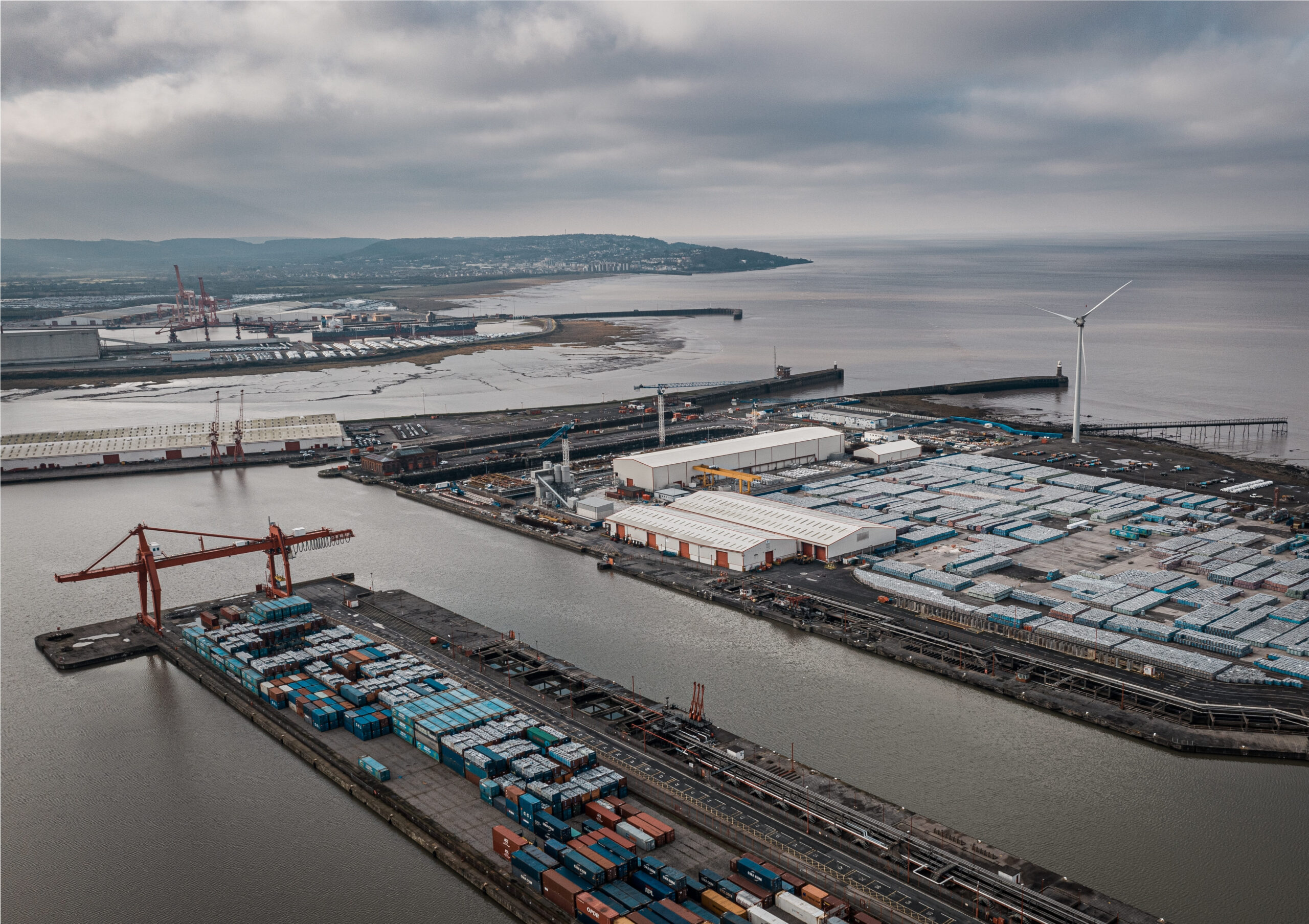
- congestion in Rotterdam port storage and terminal operations
- tightening tanker availability across Atlantic routes
- seasonal demand spikes in heating and aviation sectors
According to the EIA https://www.eia.gov, refined product inventory fluctuations in OECD Europe remain a key determinant of short-term diesel pricing volatility and import dependency cycles.
GLOBAL TRADING CENTERS OVERVIEW
Rotterdam’s Refining Capacity is deeply connected to global trading hubs that determine price discovery and allocation flows:
- Rotterdam: primary European storage, blending, and redistribution hub
- Singapore: global pricing benchmark for refined products
- Fujairah: Middle East blending and export redistribution hub
- U.S. Gulf Coast: export-oriented refining and arbitrage supply base
- West African import terminals: dependent on European diesel flows
These hubs collectively define global diesel and jet fuel movement patterns across multiple arbitrage corridors.
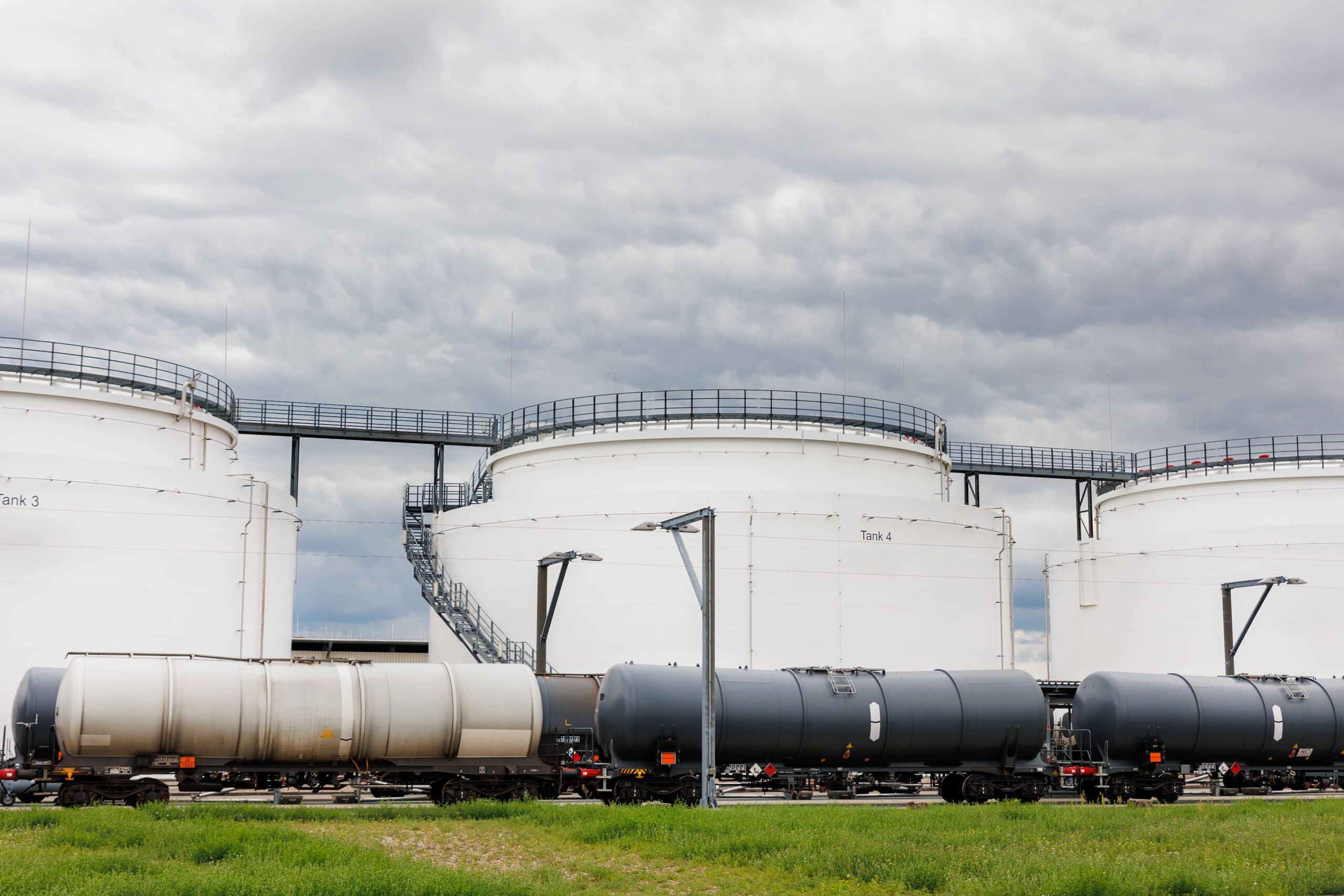
Storage optimization through Tank Farm Storage https://globalpetroleumadvisor.com/tank-farm-storage/ is increasingly critical as Rotterdam balances refinery constraints with import-driven demand volatility.
PRICE INFLUENCE ZONES
Global Refining Capacity pricing behavior in Rotterdam is shaped by overlapping macro pressure zones:
- European refinery margin compression due to high energy input costs
- Asian export competitiveness in diesel and middle distillates
- Middle East crude-to-product arbitrage expansion
- Global jet fuel demand recovery post-aviation normalization
- Freight volatility across Atlantic and Mediterranean shipping lanes
According to BP https://www.bp.com energy market outlook reports, global refining margins remain structurally volatile due to crude price swings and uneven regional demand recovery patterns.
BUYER IMPACT ANALYSIS
For institutional buyers, mandate holders, and trading desks, Rotterdam Refining Capacity defines procurement timing, landed cost structure, and supply risk exposure.
Pricing Pressure
Refinery margin compression in Europe directly increases dependence on imported diesel and jet fuel cargoes, particularly from Asia and the Middle East.
Supply Risk
Key supply vulnerabilities include:
Procurement Urgency
When Rotterdam refining output tightens:
- import competition increases rapidly
- storage utilization spikes
- FOB/CIF spreads widen significantly
SUPPLY OPPORTUNITY SHIFTS
Alternative Sourcing Regions
When European Refining Capacity tightens:
- Middle East refiners expand diesel exports into Europe
- Asia-Pacific refiners capture arbitrage demand
- U.S. Gulf Coast increases Atlantic basin exports
- North African refiners support Mediterranean balancing flows
Refinery Output Changes
- declining European refinery throughput
- increased reliance on imported refined products
- higher diesel yield optimization globally
- stronger jet fuel allocation toward aviation recovery demand
Storage and Logistics Shifts
Rotterdam’s storage network becomes a key balancing mechanism. Tank Farm Storage https://globalpetroleumadvisor.com/tank-farm-storage/ supports temporary absorption of supply shocks caused by refinery outages, freight delays, and seasonal demand spikes.
ACTION SIGNAL (URGENCY)
Current Refining Capacity conditions in Rotterdam indicate tightening supply availability across diesel and aviation fuel markets.
Key signals:
- reduced European refinery margins limiting output flexibility
- rising diesel demand across EU distribution networks
- aviation fuel recovery increasing Jet Fuel A1 draw
- freight volatility affecting import economics
Procurement response:
- secure allocation early across multiple regions
- diversify sourcing between Asia, Middle East, and Atlantic basin
- lock freight exposure ahead of congestion cycles
- secure storage positioning for volatility buffering
CLOSING
Rotterdam remains a critical node in global Refining Capacity, but structural tightening across European refining systems is increasing dependency on imported diesel, jet fuel, and blended petroleum products.
As global refinery cycles tighten and logistics constraints intensify, early allocation access and diversified sourcing strategies are essential for institutional procurement stability.
👉 Request allocation from refinery-linked supply network











No Comments