


Bulk Diesel Exporters Nigeria is a search topic for international importers, distributors and petroleum trading companies evaluating refined-product supply from Nigeria. For a workable bulk diesel purchase, however, identifying a company name is only the beginning. Therefore, Therefore, buyers also need to establish product specification, the seller’s right to supply, export eligibility, loading capability and commercially acceptable terms.
Table of Contents
- Explore Bulk Diesel Supply From Nigeria
- Bulk Diesel Exporters Nigeria: What the Export Market Looks Like
- Why International Buyers Consider Nigerian Diesel Exporters
- Diesel Export Companies in Nigeria: Understand the Seller’s Role
- Direct refinery purchasing versus independent exporters
- Refined Petroleum Products Available in Nigeria’s Export Market
- Automotive gas oil (AGO) and low-sulfur diesel
- EN590 10PPM automotive diesel
- Gasoline (PMS), Jet A-1 and other refined products
- How to Buy Bulk Diesel From Nigeria: Eight Commercial Steps
- Bulk Diesel Exporters Nigeria: FOB and CIF Buying Terms
- Nigerian Diesel Export Requirements and Official Verification
- Export verification questions for your Nigerian counterparty
- How to Verify a Legitimate Nigerian Diesel Exporter
- Nigerian-Origin Diesel: Production, Storage and Export Are Different
- Bulk Diesel Export Pricing From Nigeria
- Documents International Buyers Should Expect by Transaction Stage
- Procurement Support Through Global Petroleum Advisors
- Request Bulk Diesel Supply From Nigeria
- Request Bulk Diesel Supply From Nigeria
- Frequently Asked Questions About Diesel Exporters in Nigeria
- Does Nigeria export diesel and other refined products?
- Which companies export diesel from Nigeria?
- Can a foreign company buy bulk diesel from Nigeria?
- Is AGO from Nigeria automatically EN590 10PPM diesel?
- Can Nigerian diesel exporters quote FOB or CIF?
- Is diesel produced in Nigeria the same as diesel shipped from Nigeria?
- Do I need to verify a refinery allocation letter?
- What is the minimum export cargo quantity?
- Can I request a monthly EN590 supply contract?
- What should I provide to obtain a bulk diesel quotation?
establish product specification, the seller’s right to supply, export eligibility, loading capability and commercially acceptable terms.
Global Petroleum Advisors (GPA) helps qualified companies submit structured petroleum purchasing requirements and explore potential Nigerian supply channels. This guide explains how an international buyer can assess export-focused diesel opportunities, compare FOB and CIF arrangements, and prepare a quotation request. If your requirement is specifically EN590 10PPM, see our EN590 suppliers in Nigeria guide.
GLOBAL PETROLEUM ADVISORS
Explore Bulk Diesel Supply From Nigeria
Share your product specification, required volume, destination port, FOB/CIF preference and purchasing schedule for commercial review.

Bulk Diesel Exporters Nigeria: What the Export Market Looks Like
Nigeria should no longer be described only as an importer of refined fuels. In an August 2026 market analysis, the U.S. Energy Information Administration (EIA), using Vortexa shipment data, reported that Nigeria’s seaborne petroleum-product exports averaged 350,000 barrels per day in the second quarter of 2026, versus approximately 46,000 barrels per day in 2023. The broader total of petroleum-product shipments, including movements within Nigeria, reached 561,000 barrels per day in that quarter. Those numbers describe the national trade market, not GPA inventory or an individual seller’s allocation.
Furthermore, the increase followed expansion in domestic refinery output, particularly at Dangote Petroleum Refinery. The refinery’s official product information identifies diesel/automotive gas oil (AGO), gasoline (PMS), Jet A-1 and LPG for domestic and export markets. Actual sale terms, export product grades and offtake channels must still be confirmed with each contracting party.
Nevertheless, Therefore, three important questions help buyers decide whether Nigerian supply belongs on their shortlist:. It is whether a specific Nigerian counterparty can offer an executable cargo that meets the buyer’s quality, volume, origin and delivery requirements.
Why International Buyers Consider Nigerian Diesel Exporters
A Nigerian sourcing option may be commercially relevant for buyers seeking to diversify refined-fuel supply, evaluate African loading origins or compare offers from different trading routes. According to the EIA’s August 2026 report, exports from Nigeria to Europe averaged about 130,000 barrels per day during the second quarter of 2026, while shipments to other African countries approached 120,000 barrels per day. These flows demonstrate an established international petroleum-product trade, although they do not establish availability for any individual purchaser.
Therefore, three important questions help buyers decide whether Nigerian supply belongs on their shortlist:
- Is the offered product acceptable in the destination market? Technical fuel requirements, import permissions and origin restrictions differ by country.
- Is the total delivered cost commercially competitive? Compare product price, freight, insurance, port charges, financing costs and contract risks on the same basis.
- Can the named seller execute? A credible company profile is useful, but the proposed cargo, contractual rights and operating arrangements must match the actual offer.
Buyers exploring both Nigerian and neighbouring regional options can read GPA’s guide to EN590 supply from West Africa.
Diesel Export Companies in Nigeria: Understand the Seller’s Role
International buyers may encounter several types of businesses marketing Nigerian diesel. However, However, their responsibilities are not interchangeable.
| Supply channel | Possible role | Core question for the buyer |
|---|---|---|
| Refinery or producer | Manufactures and sells products under its own commercial arrangements | Am I dealing with its confirmed sales channel? |
| Authorized marketer/offtaker | Purchases or receives product under a supply arrangement | What contractual selling rights apply to this cargo? |
| Physical trader or title holder | Buys and resells product, sometimes using terminal storage | Can the seller establish title or contractual control? |
| Allocation holder | May have rights to specified future or existing volumes | What exactly does the allocation entitle it to sell? |
| Broker or commercial intermediary | Introduces counterparties and coordinates enquiries | Who is the contracting seller, and who is authorized to commit supply? |
A polished offer does not identify which of these categories actually applies. Therefore, Therefore, request the exact legal entity, signatory authority, product location and evidence appropriate to the proposed transaction stage.
An allocation letter, by itself, should not be treated as proof that product is already in storage or ready for loading. For a deeper explanation, see how refinery allocation influences EN590 diesel supply.
Direct refinery purchasing versus independent exporters
Some buyers prefer producer-direct contracts; others can work with properly authorized marketers or independent title holders. The more important distinction is verified authority versus an unsupported representation. Buyers should independently obtain refinery contact information when checking claims of direct refinery authorization. A link to a refinery website is not evidence that a third party represents it.
Refined Petroleum Products Available in Nigeria’s Export Market
The broad phrase refined petroleum products from Nigeria can refer to different grades with different end uses and licensing requirements. Consequently, commercial specifications should be written into the offer and subsequent contract rather than inferred from a product name.
Automotive gas oil (AGO) and low-sulfur diesel
AGO is commonly used in Nigeria as a general commercial term for diesel. Export requirements may specify sulfur, density, ignition quality, flash point and other parameters. The buyer must identify the actual offered grade. A quotation describing “AGO” is not automatically an EN590-compliant offer.
EN590 10PPM automotive diesel
EN590 is an automotive diesel specification, not simply a label for any low-sulfur fuel. The NEN-EN 590:2025 standards listing describes requirements and test methods for automotive diesel. A maximum sulfur content of 10 mg/kg is important, but full compliance also depends on other prescribed characteristics and the agreed standard edition.
Buyers looking specifically for this product can follow GPA’s international EN590 diesel procurement guide. The supplier should provide a relevant specification and appropriate quality evidence for the proposed cargo.
Gasoline (PMS), Jet A-1 and other refined products
Gasoline and aviation fuel appear in Nigeria’s commercial refining slate, but they are not interchangeable with diesel. Each product requires distinct standards, handling arrangements and import-market approvals. Buyers should request the exact product grade and identify whether their proposed seller actually handles it.
How to Buy Bulk Diesel From Nigeria: Eight Commercial Steps
Step 1 — Prepare a complete requirement. Define product grade, applicable quality standard, cargo quantity in metric tons, permitted origin, destination and requested shipment window. Specify whether your company needs a spot cargo, trial parcel or ongoing supply agreement.
Step 2 — Identify an export-capable supply channel. Next, differentiate domestic depot delivery businesses from sellers able to contract for an international bulk cargo. A company delivering AGO by truck within Nigeria is not automatically an exporter capable of arranging marine loading.
Step 3 — Verify the contracting party. Confirm company identity, authorized signatories, relevant permissions and commercial role. Check whether your counterparty is the title holder, authorized off-taker or an intermediary introducing the actual seller.
Step 4 — Establish product availability and origin. Ask whether the cargo is already in a tank, due for production orIn addition, obtain a coherent explanation of refinery origin, product storage, proposed loading point and contract rights. Obtain a coherent explanation of refinery origin, product storage, proposed loading point and contract rights.
Step 5 — Obtain a complete commercial offer. Compare offered price per metric ton, named delivery point, validity, quantity tolerance, inspection scope, payment terms and expected loading timing. Consequently, a headline unit price without these details is not enough for decision-making.A headline unit price without these details is not enough for decision-making.
Step 6 — Review the transaction documents. Depending on the agreed procedure, the buyer may submit company information, an RFQ or ICPO, while the parties negotiate an SPA. The document sequence should fit the commercial stage and should be checked by appropriate legal advisers.
Step 7 — Agree payment security and independent inspection. Involve reputable banks where documentary credit or standby instruments are proposed. Furthermore, define sampling, quality testing, quantity assessment, document authentication and any agreed payment milestones.
Step 8 — Coordinate export, loading and delivery. The contractual parties and their service providers address applicable permits, terminal acceptance, marine logistics, inspection, cargo documents and customs requirements. A bill of lading generally follows shipment; requesting one for an unshipped cargo may be premature.
Bulk Diesel Exporters Nigeria: FOB and CIF Buying Terms
FOB and CIF are widely used for marine bulk cargoes, but they allocate freight, insurance and risk differently. Therefore, the parties should specify the named port and Incoterms edition. The International Chamber of Commerce (ICC) publishes the governing trade-term framework.
| Buyer consideration | FOB — Free on Board | CIF — Cost, Insurance and Freight |
|---|---|---|
| Named port | Port of shipment | Destination port |
| Main sea freight | Usually buyer arranges and pays | Seller arranges and pays |
| Cargo insurance | Typically arranged by buyer | Seller obtains required minimum insurance cover |
| Risk transfer under the standard rule | When goods are on board at origin | When goods are on board at origin |
| Main buyer diligence | Vessel and loading feasibility | Freight, insurance cover and documentary conditions |
FOB Nigeria: The seller must be able to deliver the contracted cargo on board the buyer-nominated vessel at a named, feasible Nigerian shipment port. Before committing to a vessel, check cargo readiness, terminal access, loading window and inspection arrangements.
CIF from Nigeria: The seller contracts for carriage and required cargo insurance to the named destination. Under the standard CIF rule, risk still typically transfers once the goods are on board at origin. For this reason, a buyer seeking broader insurance should expressly agree the cover rather than assuming every CIF quotation includes it.

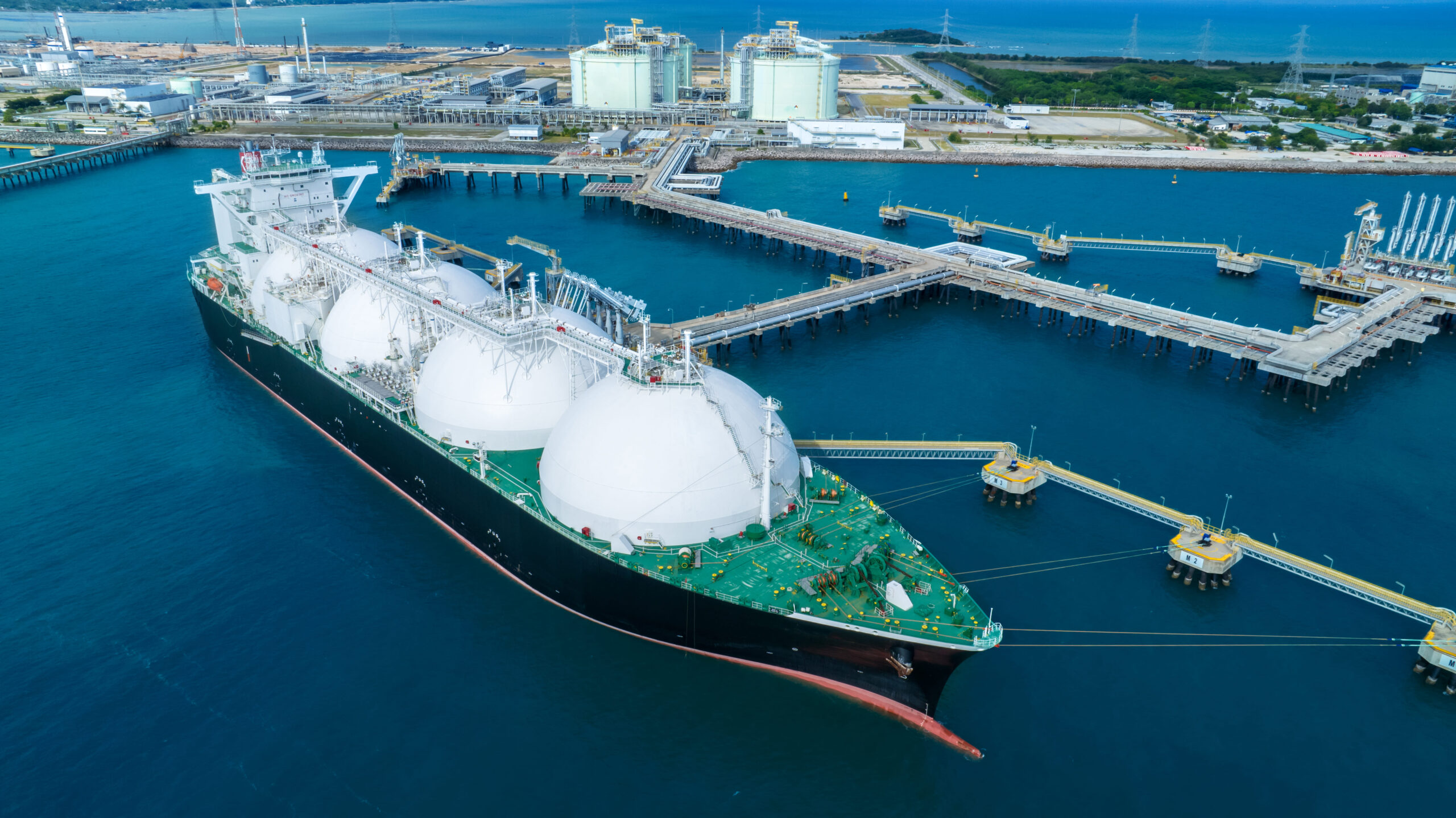
Illustrative oil tanker at Cochin Oil Terminal, India; not a Nigerian cargo. Photo: Rangan Datta Wiki / Wikimedia Commons, CC BY-SA 4.0. No edits to the original image.
Nigerian Diesel Export Requirements and Official Verification
A serious buyer should separate regulatory permission from commercial control of the product. Although both matter, neither automatically proves the other.
The Nigerian Midstream and Downstream Petroleum Regulatory Authority (NMDPRA) regulates relevant midstream/downstream activities. Its IMPEX petroleum-product permit portal includes a permit-verification function. Check the precise permit category and status for the proposed activity; a copied permit image should not substitute for independent validation.
The Nigerian Export Promotion Council’s export-documentation guide outlines exporter registration, contracts, invoices, export proceeds forms, origin documentation and shipment papers in the broader Nigerian export framework. Because petroleum products are subject to additional sector-specific rules and some general export guidance is oriented toward non-oil exports, the contracting exporter should confirm the exact requirements with NMDPRA, customs and qualified local advisers for the cargo being shipped. A generic NEPC certificate alone is not evidence of authorization to export a specific petroleum product.
In addition, importers should confirm rules in the receiving country, including fuel specification, sanctions screening, import licensing, customs treatment and any documentation needed for preferential origin claims.
Export verification questions for your Nigerian counterparty
- Which legal entity is the exporter of record and the contracting seller?
- Which regulatory permissions are required for this product and route, and which are held by the relevant operator?
- What is the intended loading terminal and which party can authorize the loading?
- Does the seller own the cargo or have verifiable contractual rights to deliver it?
- Which party issues the commercial invoice and receives payment?
- What export and origin documents will be available, and at which milestones?

How to Verify a Legitimate Nigerian Diesel Exporter
Exporter due diligence should test the specific offer, not merely whether a company website exists. The following checklist can be applied before major commitments.
| Check | Evidence to examine | Why it matters |
|---|---|---|
| Corporate identity | Official registration details and signatory authority | Identifies the party responsible for performance |
| Selling rights | Contractual authority, title or authentic allocation arrangements | Establishes whether the counterparty can lawfully sell |
| Product and origin | Specification, source description and appropriate origin evidence | Avoids buying the wrong grade or misdescribed origin |
| Cargo availability | Supported inventory, production or supply arrangement | Tests realistic deliverability |
| Storage and loading | Operator, terminal and confirmed operating requirements | Supports feasible shipment planning |
| Regulatory eligibility | Applicable product/export permissions and independent checks | Reduces compliance exposure |
| Quality and quantity | Defined independent inspection and laboratory scope | Supports contractual conformity |
| Payment | Matching beneficiary identity and bank-agreed terms | Reduces diversion and settlement risks |
A refinery logo, allocation letter, storage certificate or inspection report does not individually settle every question in the checklist. Therefore, each document should be assessed for its actual purpose and verified with the responsible issuer where permitted.
GPA’s dedicated guide explains how to verify Nigerian EN590 suppliers and refinery allocations.
Nigerian-Origin Diesel: Production, Storage and Export Are Different
One of the most important purchasing distinctions is whether diesel was produced in Nigeria or merely exported from Nigeria. A cargo could be refined in another country, stored in a Nigerian terminal and subsequently shipped from a Nigerian port. That route does not make its country of manufacture Nigerian.
International buyers should agree which origin definition matters commercially or legally. Check applicable certificate-of-origin rules, refinery source information and associated shipping documentation. An origin certificate should align with the contractual description and the rules governing the import destination.
When a buyer specifically requires Nigerian-produced EN590, GPA should receive that requirement at the enquiry stage so an unsuitable storage-only or re-export proposition is not presented as a match.
Bulk Diesel Export Pricing From Nigeria
A credible export quotation should identify the product and all relevant commercial assumptions. Nigerian domestic pump prices, depot AGO prices, refinery-gate terms, FOB bulk quotations and CIF destination quotations are not directly interchangeable.
Key inputs include fuel grade, sulfur specification, cargo size, availability, loading location, pricing reference, shipment window, inspection, freight, insurance, financing and contract length. As a result, buyers should compare offers on a like-for-like basis, including the estimated landed cost and risk exposure.
Avoid treating an undated online advert as a live executable refinery offer. For a deeper discussion of per-metric-ton costs and the trade terms involved, see GPA’s EN590 diesel price in Nigeria: FOB and CIF guide.
Documents International Buyers Should Expect by Transaction Stage
Documents vary with the offer and shipment stage. Therefore, the most useful approach is to ask what each record proves and when it can reasonably exist.
| Stage | Documents or records buyers may review | Critical qualification |
|---|---|---|
| Counterparty screening | Registration, authority evidence, applicable licences | Does not prove possession of cargo |
| Commercial negotiation | RFQ, offer, specifications, SPA draft, pro forma invoice | Terms must identify parties and product clearly |
| Availability validation | Appropriate allocation, inventory or storage confirmations | Verify source, rights, validity and issuer |
| Pre-loading | Inspection plan, terminal procedures, vessel documents | Confirm timing and responsible parties |
| Shipment | Bill of lading, quality/quantity reports, commercial invoice | Shipment documents depend on completed milestones |
| Import and settlement | Origin evidence, customs records, bank-required documents | Requirements vary by destination and payment structure |
Neither an ICPO nor a bank message substitutes for physical cargo verification. Similarly, a real inspection certificate can show that particular tests were undertaken without proving who holds title to the inspected product.
Procurement Support Through Global Petroleum Advisors
Global Petroleum Advisors provides a commercial enquiry channel for international companies investigating Nigerian and wider African petroleum supply opportunities. In particular, our role is to make purchasing requirements clearer, support preliminary evaluation of potential counterparties, and coordinate relevant introductions and communications where appropriate.
For a buyer seeking bulk diesel from Nigeria, GPA can assist with:
- Collecting a structured company purchasing requirement and product specification.
- Identifying potential supply channels relevant to the requested cargo and location.
- Coordinating initial counterparty information and commercial correspondence.
- Helping organize product-quality and document questions for the contracting parties.
- Supporting agreed procurement discussions as the transaction progresses.
GPA does not present refinery ownership or authorization on behalf of a named producer without evidence. A commercial enquiry begins a review; it is not a guaranteed allocation or binding supply commitment.
Request Bulk Diesel Supply From Nigeria
To help assess whether a Nigerian supply opportunity fits your needs, include the registered purchasing company, destination country and port, requested grade (for example, EN590 10PPM), quantity in metric tons, spot or recurring requirement, desired shipment period, and your preference for FOB or CIF terms.
If you have an existing quotation, state the seller’s legal name, product origin claim and delivery basis. Confidential commercial documents should be exchanged only via appropriate agreed channels.
GLOBAL PETROLEUM ADVISORS
Request Bulk Diesel Supply From Nigeria
Share your product specification, required volume, destination port, FOB/CIF preference and purchasing schedule for commercial review.
Frequently Asked Questions About Diesel Exporters in Nigeria
Does Nigeria export diesel and other refined products?
Yes. The EIA reported a substantial increase in Nigerian seaborne petroleum-product exports in 2026. That national trade information does not establish an available cargo from a particular seller.
Which companies export diesel from Nigeria?
Refineries, qualified physical traders and authorized marketers may participate in export supply, depending on their actual contractual rights and regulatory arrangements. Buyers should independently verify a specific company instead of relying on an unverified directory list.
Can a foreign company buy bulk diesel from Nigeria?
International buyers can explore purchasing arrangements with legitimate exporting counterparties. The product, exporter eligibility, import requirements, delivery feasibility and agreed terms all require review.
Is AGO from Nigeria automatically EN590 10PPM diesel?
No. AGO is a general commercial designation; a shipment must separately meet the specified EN590 standard and contractual quality requirements.
Can Nigerian diesel exporters quote FOB or CIF?
An exporter may propose FOB or CIF where the transaction and shipping arrangements support those terms. Buyers must establish the exact named ports and each party’s responsibilities.
Is diesel produced in Nigeria the same as diesel shipped from Nigeria?
Not necessarily. Country of manufacture, storage, loading and export may differ. Buyers should define the required origin and check the supporting evidence.
Do I need to verify a refinery allocation letter?
Yes, where a seller relies on one. Review the issuing party, holder, product, volume, validity and selling rights. An allocation letter alone does not prove immediate physical inventory.
What is the minimum export cargo quantity?
There is no universal minimum that applies to every exporter. Cargo size depends on product availability, terminal restrictions, vessel economics and the seller’s contract conditions.
Can I request a monthly EN590 supply contract?
You can submit a recurring requirement, but the proposed seller must establish realistic volume, supply continuity, loading capacity and contractual performance terms.
What should I provide to obtain a bulk diesel quotation?
Send your purchasing company’s details, required product specification, metric-ton quantity, delivery destination, FOB/CIF preference and requested shipment schedule using the GPA buyer enquiry form.




No Comments