Introduction
Finding Verified EN590 Suppliers is one of the most important steps in international diesel fuel procurement. In wholesale petroleum markets, buyers are evaluating more than product availability—they are assessing supplier credibility, refinery access, operational capability, and the ability to deliver cargoes under agreed contractual terms.
This guide explains how to find verified EN590 diesel fuel suppliers using recognized procurement practices, supplier due diligence, and commercial verification processes. It also examines how diesel fuel procurement, supplier verification, and petroleum logistics work together to reduce transaction risk while improving supply chain reliability.
Rather than relying solely on supplier claims, procurement professionals should evaluate counterparties within the broader context of refinery operations, storage infrastructure, inspection requirements, and international trading practices.
Industry Overview
Verified EN590 Suppliers in the International Petroleum Market
EN590 diesel is traded through a global network of refineries, commodity traders, mandate holders, logistics providers, terminal operators, and storage companies. Unlike retail fuel distribution, wholesale petroleum trading involves multiple commercial participants, each performing a distinct role within the international supply chain.
Refineries produce EN590 diesel according to recognized quality specifications before allocating cargoes for domestic consumption or export. Commodity traders and authorized suppliers then coordinate commercial negotiations, logistics, and contractual arrangements with buyers across international markets.
Several factors influence supplier availability:
- Refinery production schedules.
- Export allocations.
- Storage terminal capacity.
- Shipping availability.
- Regional diesel demand.
- Refinery maintenance programmes.
- Government trade policies.
Procurement professionals therefore evaluate supplier capability alongside broader market conditions rather than considering supplier credentials in isolation.
Industry organizations such as the International Energy Agency monitor refining capacity, global oil demand, and refinery utilization, while product quality is commonly assessed against standards developed by ASTM International.
Market Overview
Verified EN590 Suppliers Across Major Trading Hubs
Supplier verification becomes increasingly important when sourcing diesel from major international trading hubs where multiple intermediaries may participate in transactions.
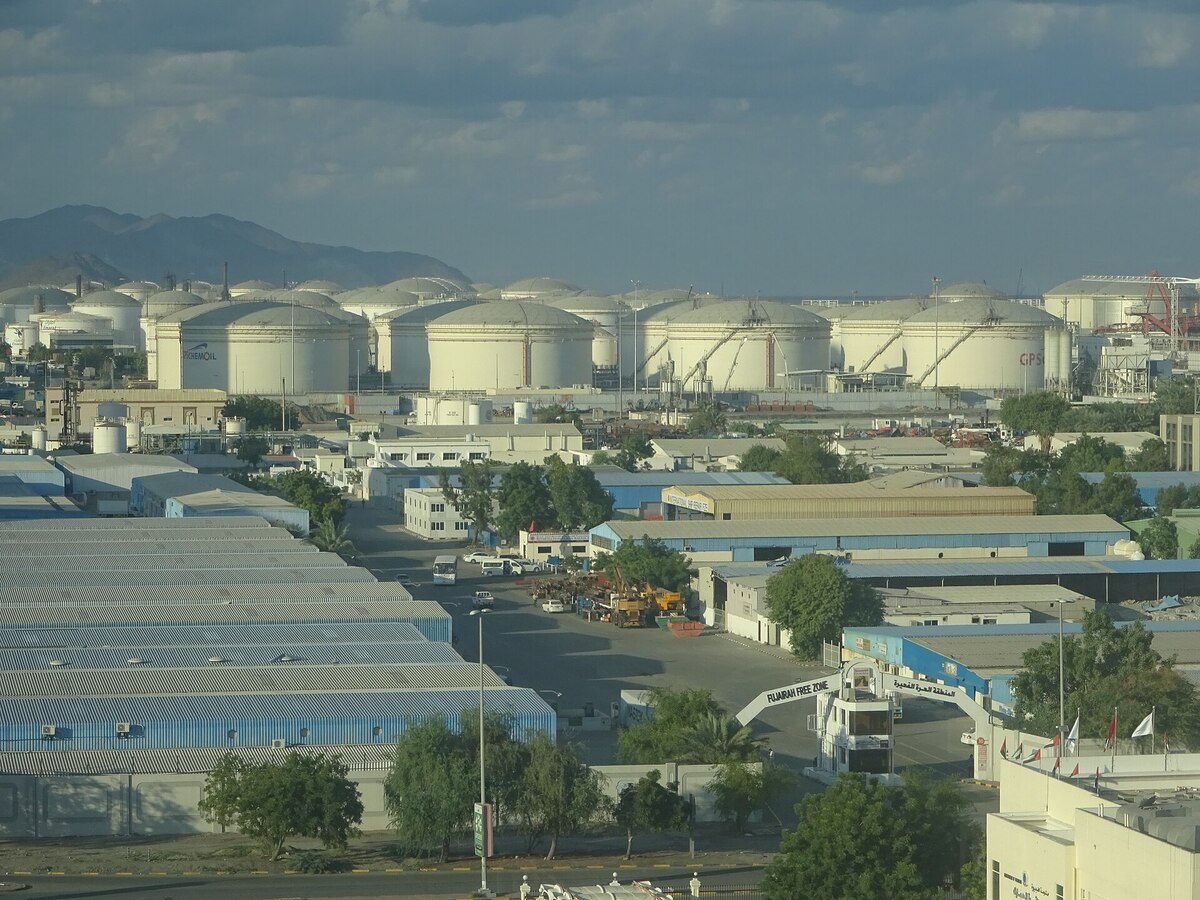
Leading export centres include Rotterdam, Fujairah, Singapore, Houston, and Jurong Island. These locations combine refinery capacity, petroleum terminals, storage infrastructure, and established shipping routes, making them central to international EN590 trade.
When assessing suppliers operating from these hubs, procurement teams typically review:
- Refinery relationships.
- Export allocation.
- Cargo availability.
- Terminal access.
- Loading schedules.
- Storage capacity.
- Shipping arrangements.
- Historical transaction performance.
Understanding the commercial environment surrounding each trading hub allows buyers to evaluate supplier capability within the context of regional supply conditions.
For additional insight into physical supply chains, readers may also refer to:
https://globalpetroleumadvisor.com/how-bulk-en590-and-jet-a1-supply-works-in-fob-trading-hubs-rotterdam-fujairah/
Buyer Perspective
How Buyers Assess Verified EN590 Suppliers
Professional procurement teams follow structured due diligence procedures before entering commercial negotiations with any supplier.
Rather than focusing exclusively on price, buyers evaluate whether suppliers can consistently fulfil contractual obligations while maintaining compliance with international trading standards.
Key evaluation criteria include:
- Refinery allocation.
- Corporate registration.
- Trading history.
- Financial capability.
- Product availability.
- Export experience.
- Petroleum logistics capability.
- Storage access.
- Documentary compliance.
- Independent inspection arrangements.
Buyers also review sourcing strategies to reduce dependency on a single supplier or loading terminal. Diversifying procurement across multiple verified suppliers can improve resilience during refinery maintenance, shipping disruptions, or temporary allocation constraints.
Organizations seeking further guidance on procurement workflows can also explore:
https://globalpetroleumadvisor.com/en590-diesel-supply-procurement/
Supplier Perspective
How Verified EN590 Suppliers Demonstrate Credibility
Legitimate suppliers understand that professional buyers require evidence supporting commercial capability.
Supplier verification therefore extends well beyond presenting a company profile or product specification. Established suppliers are generally prepared to demonstrate operational readiness through documentation, refinery relationships, and transparent communication throughout the procurement process.
Common indicators of supplier capability include:
- Access to refinery allocation.
- Established commercial operations.
- Experience handling export cargoes.
- Relationships with storage terminals.
- Logistics coordination capability.
- Familiarity with international documentation.
- Use of recognized inspection companies.
- Compliance with agreed contractual procedures.
Suppliers also evaluate prospective buyers by reviewing financial readiness, intended cargo destinations, and procurement documentation before confirming allocations.
This reciprocal due diligence reduces commercial risk for both parties while improving transaction efficiency.
Procurement Considerations
Verified EN590 Suppliers and Contract Structures
Supplier verification should always be considered alongside contract structure.
International diesel transactions are commonly negotiated under FOB (Free on Board) or CIF (Cost, Insurance and Freight) Incoterms, with each allocating commercial responsibilities differently.
Under FOB arrangements, buyers typically assume responsibility for marine transportation after loading at the export terminal. Under CIF contracts, suppliers generally organize freight and insurance to the agreed discharge port.
Procurement professionals should compare supplier quotations by reviewing:
- Incoterms.
- Product specifications.
- Quantity tolerance.
- Loading window.
- Destination.
- Payment structure.
- Documentary requirements.
- Inspection procedures.
- Demurrage provisions.
- Force majeure clauses.
Verification of supplier capability is therefore closely linked to understanding how contractual responsibilities will be executed throughout the transaction.
Additional background on FOB procurement is available here:
https://globalpetroleumadvisor.com/how-bulk-en590-and-jet-a1-supply-works-in-fob-trading-hubs/
Storage & Logistics
Verified EN590 Suppliers and Supply Chain Infrastructure
Storage infrastructure is an important indicator of operational capability within international petroleum markets.
Although not every supplier owns storage assets, access to reputable tank terminals and established logistics providers demonstrates the ability to coordinate cargo movements efficiently.
Procurement teams commonly assess:
- Tank storage availability.
- Terminal operator relationships.
- Pipeline connectivity.
- Cargo handling capability.
- Marine loading facilities.
- Inventory management.
- Vessel scheduling.
- Port accessibility.
Storage flexibility also helps suppliers manage allocation timing, cargo scheduling, and temporary market disruptions while supporting continuity of supply.
Additional information on regional storage infrastructure can be found here:
https://globalpetroleumadvisor.com/en590-tank-storage-and-procurement-in-the-uae/
Documentation & Compliance Supporting Verified EN590 Suppliers
Documentation provides the foundation for commercial confidence in international petroleum trading.
Professional buyers expect suppliers to demonstrate familiarity with documentation requirements before concluding commercial agreements. Complete and accurate documentation also supports customs clearance, payment processing, and contractual compliance.
Common transaction documents include:
- Commercial Invoice.
- Bill of Lading.
- Certificate of Origin.
- Certificate of Quality.
- Cargo Manifest.
- Insurance Certificate under CIF contracts.
- Export documentation.
- Inspection reports.
Compliance with applicable Incoterms and contractual obligations reduces operational disputes while improving supply chain efficiency.
Independent organizations such as SGS and Bureau Veritas frequently provide inspection and verification services that support international petroleum transactions.
Inspection & Verification
Verified EN590 Suppliers and Independent Due Diligence
Independent verification is one of the most effective methods of reducing procurement risk when sourcing EN590 diesel.
Inspection companies provide objective confirmation that cargoes meet agreed specifications while verifying product quantity, loading conditions, and contractual compliance. These services support both buyers and suppliers by establishing an independent record of product quality before shipment or discharge.
Commercial verification extends beyond product inspection. Procurement teams also assess supplier legitimacy through corporate due diligence, refinery relationships, export capability, previous transaction history, and operational readiness.
Likewise, reputable suppliers conduct due diligence on prospective buyers to confirm financial capability and contractual preparedness before allocating cargoes.
Combining technical inspections with comprehensive supplier verification helps establish trust, improves transaction transparency, and strengthens the resilience of international petroleum supply chains.
Common Industry Challenges
Verified EN590 Suppliers and Procurement Risks
Even when working with Verified EN590 Suppliers, international diesel procurement remains exposed to operational, commercial, and market-related risks. Supplier verification reduces uncertainty, but it cannot eliminate external factors that influence cargo availability, transportation schedules, and contract execution.
Procurement managers should monitor developments that can affect supply continuity, including:
- Planned refinery maintenance reducing export allocations.
- Unplanned refinery outages affecting production.
- Port congestion delaying vessel loading.
- Shipping disruptions caused by adverse weather or geopolitical events.
- Limited tank storage capacity during periods of strong demand.
- Documentation discrepancies delaying customs clearance.
- Freight market volatility increasing delivered costs.
- Regulatory or sanctions-related changes affecting trade flows.
Market conditions can also shift rapidly when refinery expansions increase regional supply or when infrastructure constraints reduce export capacity. These developments influence allocation windows, procurement timing, and supplier availability.
For buyers, the key question is not simply who can supply EN590 diesel today, but which suppliers have the operational capability to perform consistently under changing market conditions.
Suppliers face similar challenges. Maintaining reliable refinery allocation, coordinating logistics providers, and meeting contractual loading windows require continuous communication across the petroleum supply chain.
Practical Solutions
Strengthening Procurement Through Verified EN590 Suppliers
Risk management begins long before a purchase contract is signed. Organizations with disciplined procurement procedures are generally better positioned to manage market volatility than those relying solely on the lowest quotation.
Industry best practices include:
- Conducting comprehensive supplier due diligence.
- Confirming refinery allocation before commercial negotiations.
- Working with independent inspection companies.
- Reviewing contractual responsibilities under FOB or CIF Incoterms.
- Verifying storage availability where operational flexibility is required.
- Confirming export documentation requirements early in the transaction.
- Maintaining contingency sourcing strategies across multiple suppliers and trading hubs.
Digital procurement tools are also reshaping international petroleum trading. Rather than relying exclusively on traditional broker networks, procurement teams increasingly use professional marketplaces to compare supplier capabilities, identify logistics providers, evaluate storage options, and publish Requests for Quotation (RFQs).
For suppliers, transparent communication regarding allocation schedules, documentation, and logistics planning strengthens long-term commercial relationships and improves buyer confidence.
Market Opportunities
Verified EN590 Suppliers in an Evolving Global Market
While short-term market volatility remains a feature of petroleum trading, long-term structural developments continue to create opportunities across the diesel supply chain.
Several trends are supporting international trade:
- Refinery expansion projects increasing production capacity.
- Investment in petroleum storage terminals.
- Pipeline infrastructure upgrades improving logistics efficiency.
- Growth in marine export facilities.
- Expansion of integrated energy infrastructure.
- Increasing industrial diesel demand in developing economies.
- Digital transformation of commodity procurement processes.
These developments improve market resilience by expanding sourcing options and strengthening supply chain connectivity between producing and consuming regions.
For procurement professionals, monitoring infrastructure investment is becoming as important as following price movements. New storage terminals, export facilities, and refinery upgrades may create additional sourcing opportunities while improving cargo availability over the medium to long term.
Future Outlook
The Future of Verified EN590 Suppliers and Digital Procurement
The global diesel market continues to evolve as refiners invest in operational efficiency, cleaner fuel production, and modernized infrastructure. At the same time, procurement processes are becoming increasingly digital, allowing buyers to evaluate suppliers more efficiently and improve transaction transparency.
Professional petroleum marketplaces now support:
- Supplier discovery.
- Digital RFQ management.
- Procurement planning.
- Logistics coordination.
- Storage identification.
- Counterparty verification.
- Documentation management.
Although personal relationships remain important in commodity trading, technology is reducing administrative complexity and improving visibility across the supply chain.
Looking ahead, procurement teams should continue monitoring:
- Refinery maintenance schedules.
- New refining capacity.
- Petroleum terminal developments.
- Shipping route changes.
- Freight market conditions.
- Import and export policy developments.
- Regional allocation trends.
- Supply chain diversification strategies.
Organizations that combine market intelligence with disciplined supplier verification and procurement planning will be better positioned to secure reliable diesel supply in an increasingly dynamic trading environment.
Key Takeaways
- Finding Verified EN590 Suppliers requires structured due diligence rather than relying solely on supplier claims.
- Supplier verification should include refinery access, commercial capability, logistics infrastructure, documentation, and inspection procedures.
- Independent inspections help confirm product quality, quantity, and contractual compliance before shipment.
- Understanding FOB, CIF, and Incoterms improves supplier evaluation and procurement planning.
- Monitoring refinery maintenance, storage availability, and shipping conditions strengthens sourcing decisions.
- Digital petroleum marketplaces are improving transparency and supplier discovery across international fuel markets.
Frequently Asked Questions
How do I find Verified EN590 Suppliers?
Begin by assessing supplier credentials, refinery relationships, export capability, logistics experience, and documentation practices. Independent inspections and commercial due diligence are essential before entering contractual negotiations.
What documents should an EN590 diesel supplier provide?
Typical documentation includes the Commercial Invoice, Bill of Lading, Certificate of Origin, Certificate of Quality, inspection reports, export documentation, and any additional documents required under the agreed Incoterms.
Why is supplier verification important?
Supplier verification reduces procurement risk by confirming that counterparties have legitimate operational capability, refinery access, and the ability to fulfil contractual obligations.
Should buyers always request independent inspections?
Independent inspections performed by organizations such as SGS or Bureau Veritas provide objective verification of product quality and quantity and are widely used in international petroleum trading.
Can a marketplace help identify verified suppliers?
Professional petroleum marketplaces can streamline supplier discovery by enabling buyers to evaluate verified participants, compare capabilities, explore logistics and storage providers, and submit procurement enquiries through a structured environment.
Conclusion
Finding Verified EN590 Suppliers involves more than locating companies offering diesel for sale. Successful procurement depends on evaluating supplier credibility, refinery allocation, logistics capability, inspection procedures, contractual readiness, and documentation standards within the broader context of international petroleum trading.
As supply chains become more interconnected and market conditions continue to evolve, buyers should combine supplier verification with informed procurement planning, market intelligence, and independent quality assurance. Suppliers that demonstrate operational transparency and consistent commercial performance are better positioned to establish long-term trading relationships in competitive global markets.
Call to Action
Organizations seeking How to Find Verified EN590 Diesel Fuel Suppliers can use the EN590 Diesel Fuel section of Global Petroleum Advisors as a starting point for understanding international procurement. The marketplace enables qualified participants to identify verified suppliers, explore tank storage solutions, search supplier and mandate listings, discover cargo opportunities, publish commercial offers, and submit RFQs within a professional petroleum trading environment.
Suggested Internal Links
Suggested External References
Three Related Cluster Article Ideas
- EN590 Diesel Supplier Verification Checklist for International Buyers
- How Refinery Allocation Affects EN590 Diesel Fuel Availability
- FOB vs CIF for EN590 Diesel Fuel: Choosing the Right Contract Structure










No Comments