Australia’s fuel supply network continues to evolve as procurement teams adapt to changing global trade flows, storage availability, refinery output, and logistics planning. EN590 Victoria has become an increasingly relevant search topic as buyers seek reliable information about diesel storage infrastructure, procurement strategies, and access to verified fuel supply networks. While Australia imports a significant portion of its refined petroleum products, Victoria remains an important consumption and distribution market supported by terminals, storage facilities, road transport networks, and port infrastructure. For procurement managers, understanding storage capacity, logistics flexibility, and supplier verification is becoming just as important as monitoring fuel pricing.
Market Signal Summary
Recent movements across international petroleum markets continue to influence diesel procurement decisions throughout Australia. Refinery maintenance programs in Asia, evolving shipping patterns, tighter environmental fuel specifications, and freight rate fluctuations have all contributed to a procurement environment that rewards careful planning rather than reactive purchasing.
Victoria benefits from established fuel distribution infrastructure connected to major ports and inland logistics corridors. However, procurement teams increasingly monitor not only domestic inventory but also regional supply conditions across Singapore, South Korea, the Middle East, and Europe because these regions influence import availability and replacement costs.
According to the International Energy Agency (IEA), global middle distillate markets continue to be influenced by refinery utilization rates, seasonal demand, and geopolitical developments affecting product flows. These dynamics reinforce the importance of diversified procurement strategies rather than reliance on a single supply source.
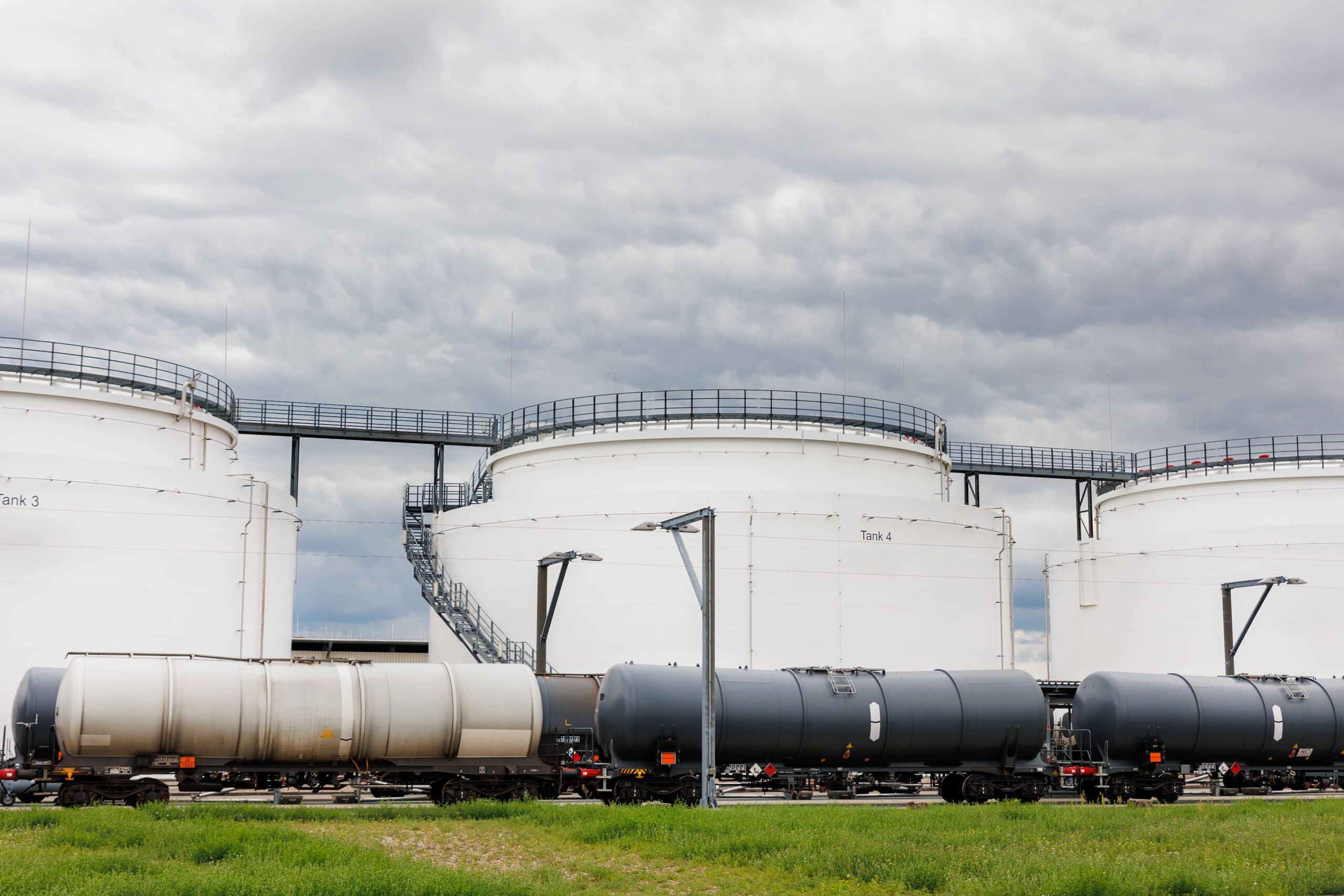
For industrial buyers, storage availability has become part of procurement risk management. Maintaining access to strategic storage can improve operational flexibility during periods of supply disruption or shipping delays while allowing organizations to better coordinate cargo scheduling and inventory management.
Rather than viewing tank storage solely as warehousing capacity, many procurement teams now consider storage assets part of broader supply chain resilience.
Victoria’s Role Within Australia’s Diesel Supply Network
Victoria serves as one of Australia’s major fuel consumption markets, supporting transport operators, mining contractors, manufacturing facilities, agricultural businesses, emergency services, aviation support industries, and infrastructure projects.
Unlike regions with extensive domestic refining capacity, Australia’s diesel market relies heavily on imported refined products. This places greater emphasis on:
- Import terminals
- Bulk storage facilities
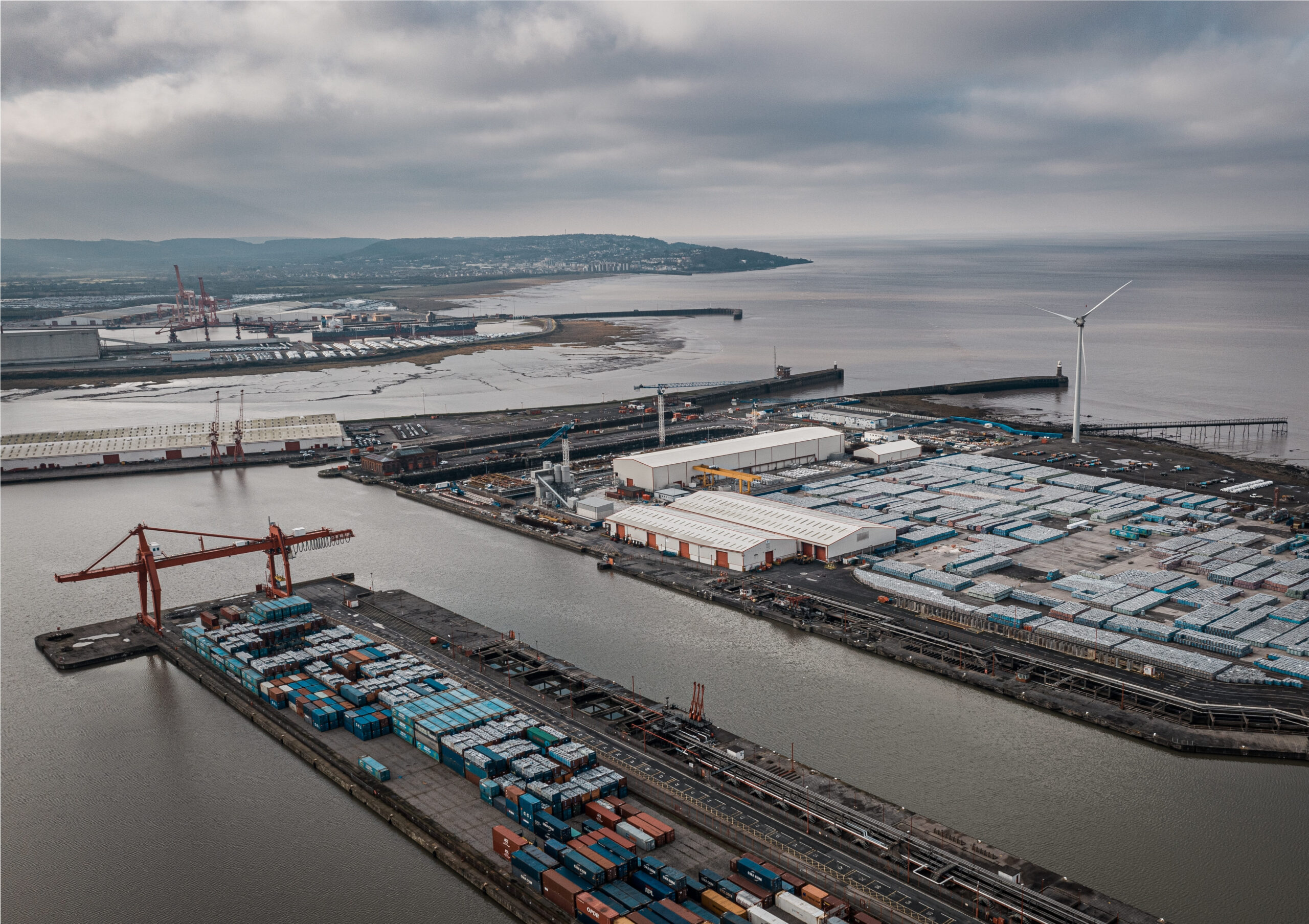
- Marine logistics
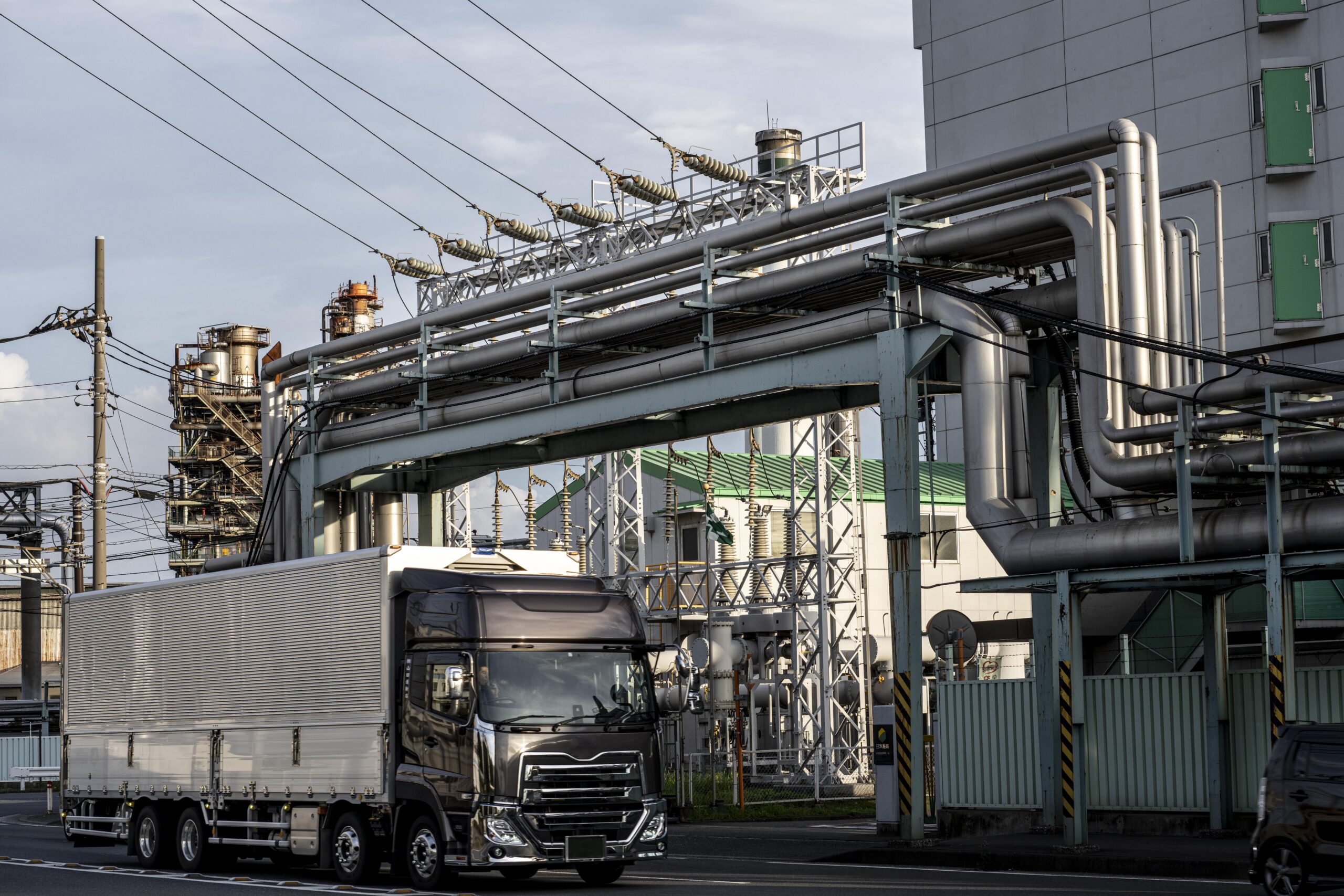
- Pipeline connectivity
- Truck loading infrastructure
- Inventory management
The ability to efficiently receive, store, and distribute imported EN590-quality diesel influences procurement planning throughout the state.
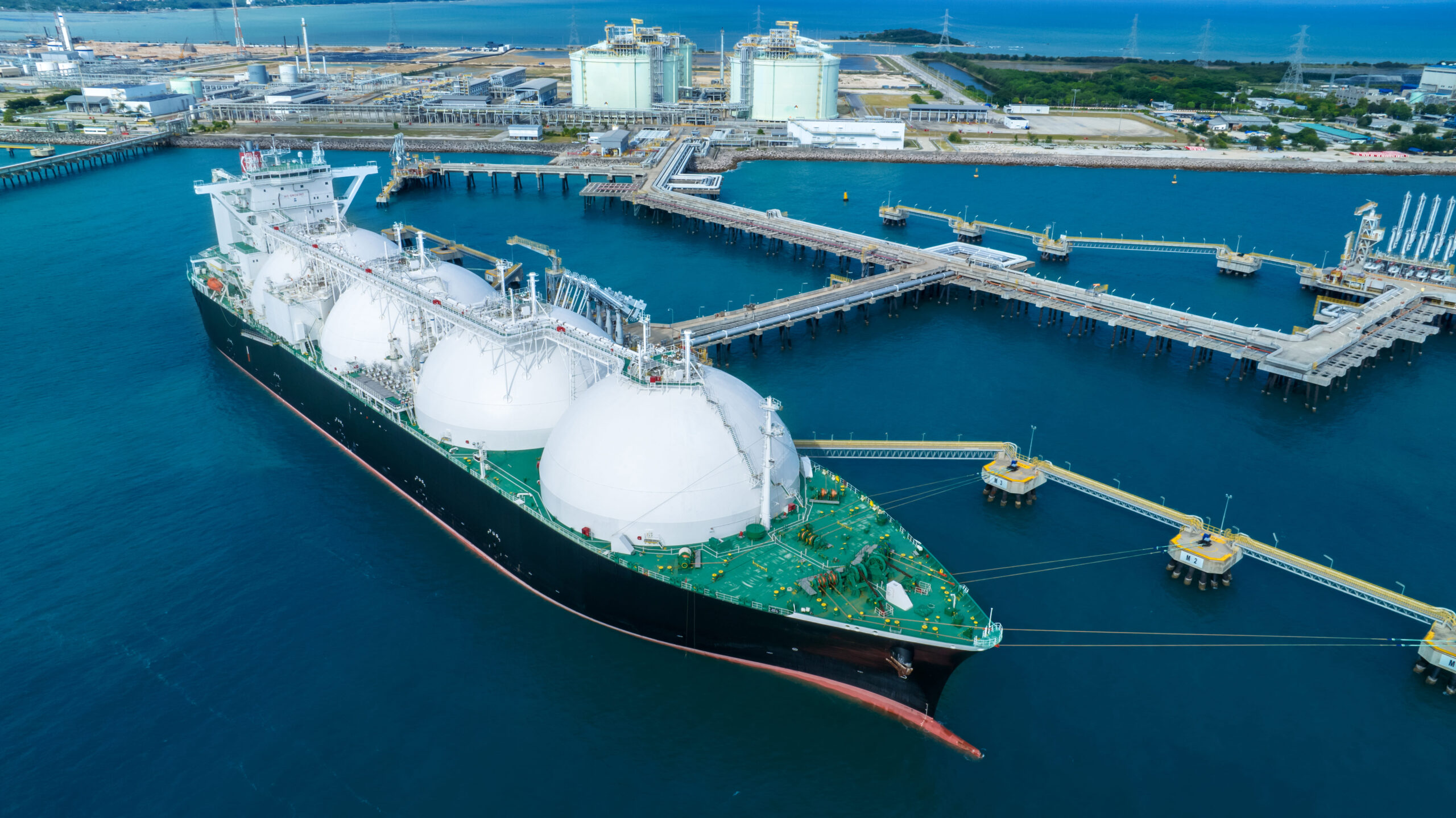
As international cargoes arrive through Australia’s import infrastructure, storage terminals perform an essential balancing function between overseas supply schedules and domestic demand cycles.
Why Tank Storage Matters in Procurement
Storage capacity is often overlooked until supply disruptions occur.
For procurement professionals, available storage directly affects purchasing flexibility.
Organizations with access to strategic storage may benefit from:
- Improved inventory planning
- Greater purchasing flexibility
- Better response to shipping delays
- Reduced exposure to short-term logistics disruptions
- Enhanced contract execution capability
Storage infrastructure also supports blending operations, quality control procedures, customs handling, and onward distribution to industrial customers.
For buyers managing continuous fuel consumption, reliable storage partnerships may become as important as selecting a competitive supplier.
Understanding EN590 Procurement Requirements
EN590 diesel specifications are widely recognized across international fuel markets. Procurement teams evaluating EN590 cargoes typically assess several operational factors beyond price.
These include:
Product Quality Verification
Buyers generally require documentation demonstrating compliance with applicable fuel specifications, laboratory testing, certificates of quality, and shipment documentation.
Supplier Verification
Counterparty verification remains a critical element of international petroleum trading. Procurement teams increasingly conduct due diligence on suppliers, intermediaries, logistics providers, and storage operators before entering commercial discussions.
Logistics Capability
Cargo availability alone does not guarantee successful procurement.
Buyers also evaluate:
- Shipping schedules
- Port handling capability
- Terminal capacity
- Inland transportation
- Customs requirements
- Delivery timelines
Storage Availability
Available storage influences how efficiently cargoes can be received, inspected, and distributed throughout downstream markets.
Buyer Perspective
Procurement managers face growing pressure to balance supply security with commercial efficiency.
Several challenges frequently influence purchasing decisions:
Price Volatility
Global diesel pricing responds to refinery utilization, crude oil movements, freight costs, currency fluctuations, and regional demand patterns.
Rather than attempting to predict every market movement, procurement teams often establish purchasing frameworks that prioritize operational continuity.
Verification Risk
International fuel trading involves multiple commercial participants.
Verifying supplier credentials, product documentation, storage access, and logistics capability helps reduce commercial risk before contractual commitments are made.
Inventory Planning
Maintaining appropriate inventory levels allows organizations to respond more effectively to changing market conditions without overextending storage costs.
Supplier Perspective
For suppliers, Victoria represents an established downstream market supported by diverse industrial demand.
However, suppliers must demonstrate more than product availability.
Professional buyers increasingly expect:
- Transparent documentation
- Responsive communication
- Logistics coordination
- Quality assurance
- Storage visibility
- Reliable contract execution
Suppliers capable of integrating these operational capabilities often strengthen long-term commercial relationships beyond individual cargo transactions.
As procurement standards continue to evolve, verified participation within established supply networks may become an increasingly important differentiator for both buyers and suppliers.
Industry Challenges Affecting EN590 Procurement in Victoria
Although Victoria benefits from mature logistics infrastructure and access to international shipping routes, several challenges continue to influence diesel procurement strategies across Australia.
Global Supply Chain Volatility
International diesel markets remain sensitive to refinery maintenance schedules, geopolitical developments, shipping disruptions, and changes in export policies from major refining regions. Even when local demand remains stable, interruptions in overseas supply chains can affect cargo availability and delivery schedules.
Storage Capacity Constraints
Storage availability has become an increasingly important operational consideration. During periods of heightened demand or supply disruption, access to strategically located storage terminals may become more competitive, requiring buyers to secure logistics arrangements well in advance.
Businesses evaluating storage solutions may also consider different operational models, including dedicated storage, shared terminal capacity, and integrated distribution networks depending on their procurement volumes and delivery schedules.
Supplier Verification
The international petroleum market contains legitimate producers, trading houses, logistics providers, and storage operators, but also presents risks associated with unverified intermediaries.
Professional procurement teams increasingly require:
- Corporate verification
- Proof of product origin
- Terminal confirmation
- Quality certificates
- Supply capability documentation
- Clear contractual procedures
Robust due diligence helps reduce operational and financial risks before negotiations progress.
Market Opportunities for Buyers and Suppliers
Despite ongoing market challenges, Victoria continues to present opportunities for both fuel buyers and suppliers.
Growing Infrastructure Investment
Australia continues investing in transport infrastructure, logistics networks, mining operations, manufacturing, and energy projects. These sectors require dependable diesel supplies, creating sustained demand for efficient procurement solutions.
Diversified Import Sources
Australia imports refined petroleum products from multiple international refining centers, providing procurement teams with opportunities to diversify sourcing strategies rather than relying on a single region.
Monitoring supply conditions across Asia, the Middle East, and Europe allows buyers to respond more effectively to changing market dynamics.
Digital Procurement Intelligence
Market participants increasingly rely on digital intelligence platforms to monitor supply trends, refinery developments, logistics updates, and procurement opportunities.
Rather than waiting for market disruptions to occur, procurement managers now emphasize continuous market monitoring as part of strategic purchasing.
The Importance of Verification in Fuel Procurement
Verification has become one of the defining characteristics of professional petroleum trading.
For buyers, verification extends beyond confirming product quality. It also includes evaluating counterparties, reviewing commercial documentation, assessing logistics capabilities, and ensuring that storage and transportation arrangements align with contractual requirements.
Similarly, verified suppliers benefit from increased credibility among procurement teams seeking reliable long-term commercial relationships.
Organizations that prioritize transparency, documentation, and operational readiness are generally better positioned to participate in international fuel procurement opportunities.
Global Petroleum Advisors Marketplace
As procurement processes become increasingly data-driven, buyers require more than supplier directories. They need access to verified market intelligence, procurement insights, and established commercial networks.
Global Petroleum Advisors serves as a marketplace connecting qualified buyers, suppliers, traders, and industry participants with petroleum procurement opportunities supported by market intelligence and supply chain awareness.
The platform is designed to assist organizations evaluating sourcing options, monitoring market developments, and identifying procurement opportunities across global petroleum markets.
For buyers researching EN590 diesel, Global Petroleum Advisors also provides additional procurement information through its dedicated EN590 resource page:
https://globalpetroleumadvisor.com/en590-diesel-fuel-and-gasoline-request-allocation-page/
Businesses seeking broader storage solutions may also benefit from understanding international terminal operations and storage infrastructure through:
https://globalpetroleumadvisor.com/tank-farm-storage/
These resources complement procurement planning by providing additional insight into storage considerations and fuel supply networks.
Frequently Asked Questions
What is EN590 diesel?
EN590 is the European standard specification for automotive diesel fuel. It defines quality requirements including sulfur content, cetane number, density, lubricity, and other performance characteristics.
Why is tank storage important during fuel procurement?
Storage provides operational flexibility by allowing buyers to receive cargoes, maintain inventory, coordinate logistics, and respond more effectively to supply disruptions or delivery delays.
Does Victoria produce EN590 diesel?
Australia imports a significant proportion of its refined petroleum products. Victoria primarily receives diesel through import infrastructure supported by storage terminals and distribution networks.
How should buyers verify fuel suppliers?
Professional procurement teams typically verify supplier credentials, corporate registration, product documentation, inspection reports, logistics capability, and contractual procedures before entering commercial negotiations.
Why monitor international refinery activity?
Refinery maintenance, production increases, export restrictions, and regional demand changes can influence diesel availability and pricing, making refinery monitoring an important component of procurement planning.
Strategic Outlook
Victoria is expected to remain an important destination within Australia’s fuel distribution network due to its industrial activity, established logistics infrastructure, and ongoing demand for refined petroleum products. While international market conditions will continue to influence procurement strategies, organizations that combine supplier verification, market intelligence, diversified sourcing, and effective storage planning are likely to improve operational resilience.
As global diesel markets continue to evolve, procurement teams should maintain visibility across refinery operations, shipping conditions, storage availability, and supply chain developments to support informed purchasing decisions.
Request allocation from refinery-linked supply network.
Suggested Internal Links
External Authority Reference
Suggested Featured Image
Concept:
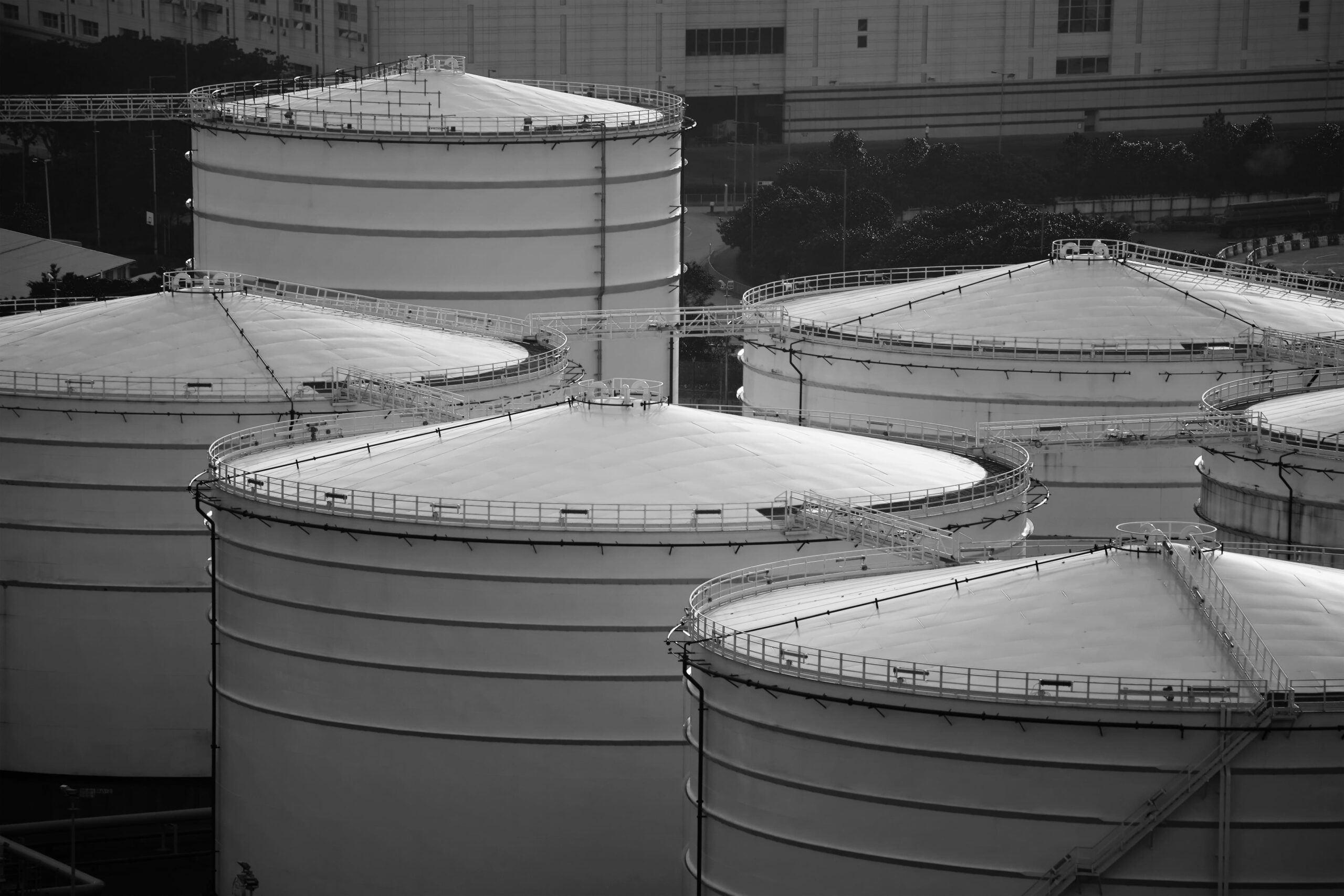
A panoramic image of a modern fuel storage terminal in Victoria or Australia featuring large diesel storage tanks, loading racks, pipelines, and fuel tankers under clear industrial lighting.








No Comments