1. MARKET SIGNAL SUMMARY
Global fuel markets are facing increased pressure as scheduled refinery maintenance and unexpected operational disruptions continue affecting refined product output. Meanwhile, diesel availability across several trading regions remains tighter due to reduced refinery throughput. As a result, Refinery Outages are becoming a major driver of short-term procurement activity.
Additionally, buyers are adjusting sourcing strategies as replacement cargo demand increases across Europe, the Middle East, and selected Asian markets. Consequently, active export hubs with available storage and loading flexibility are attracting stronger market attention.
2. WHAT IS HAPPENING
-
Several refineries across Europe and Asia continue operating under reduced output conditions due to maintenance activity.
-
Diesel and middle distillate production remains under pressure in selected refining regions.
-
Meanwhile, replacement cargo demand is increasing across Rotterdam and Baltic supply channels.
-
Freight activity is becoming more active as buyers reposition cargo programs toward alternative export hubs.
-
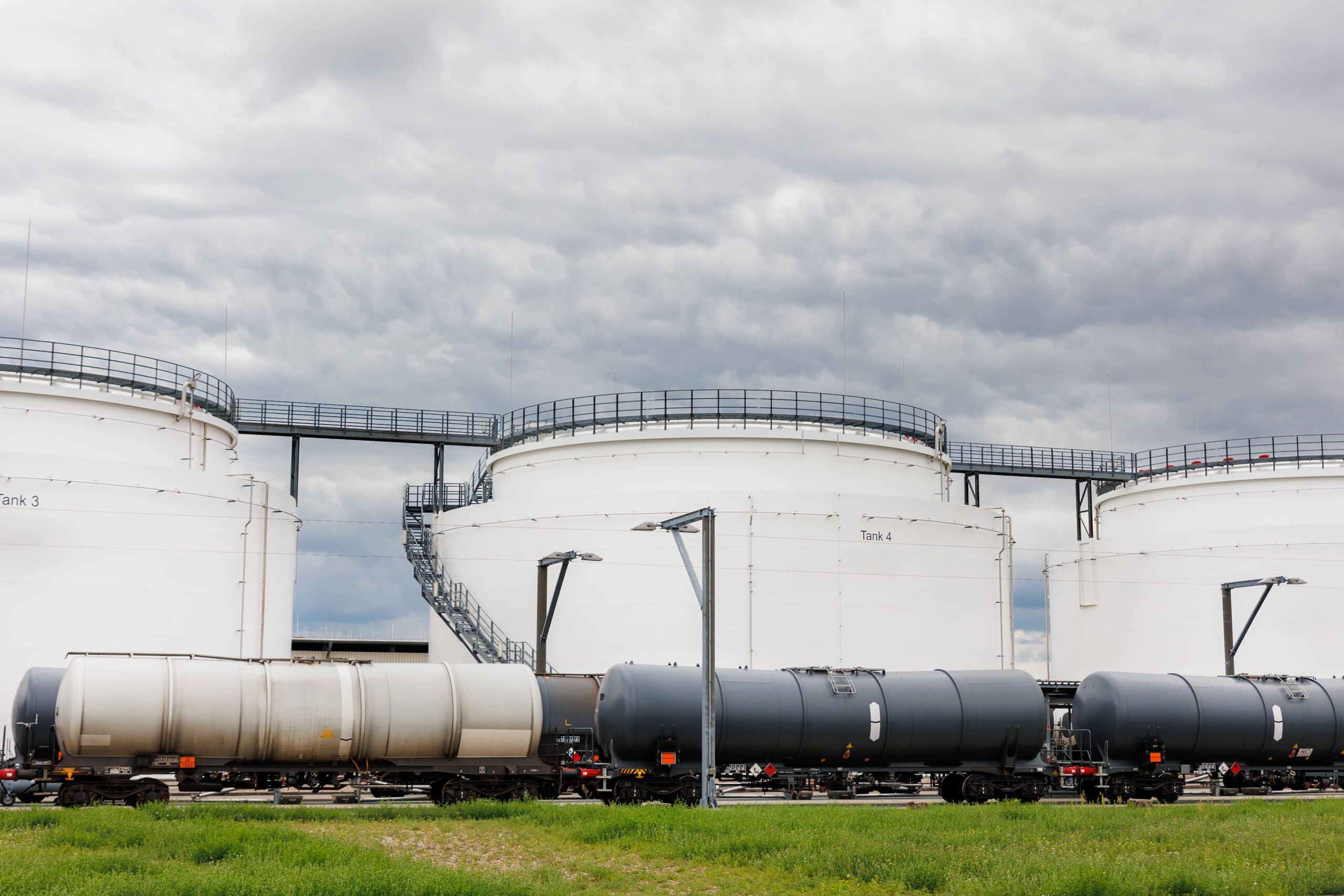
Additionally, tank storage activity is rising across key fuel redistribution terminals.
-
Some suppliers are reallocating refined product cargoes toward regions facing tighter diesel availability.
-
Consequently, loading schedules are becoming more competitive across active fuel export markets.
-
Refinery-linked buyers are also increasing procurement activity for spot diesel allocations and flexible delivery structures.
3. WHY IT MATTERS FOR BUYERS
The current Refinery Outages environment is increasing procurement pressure across diesel and refined fuel markets. As a result, buyers depending on limited sourcing channels may encounter tighter cargo availability and reduced loading flexibility.
Additionally, replacement market demand is contributing to stronger competition for active fuel allocations. Buyers securing storage-supported cargo positions earlier may gain stronger operational stability during tightening supply conditions.
Meanwhile, refinery maintenance schedules continue affecting short-term production planning across several export regions. Therefore, procurement teams are monitoring loading timelines and refinery availability more closely.
Furthermore, storage competition is increasing across key redistribution hubs handling replacement cargo movement. Consequently, buyers are diversifying supply strategies to reduce exposure to refinery-linked disruptions.
4. WHERE REFINERY OUTAGES OPPORTUNITIES ARE SHIFTING
Rotterdam remains one of the primary replacement sourcing hubs for buyers seeking diesel and refined product allocations. Active tank storage and flexible export infrastructure continue supporting short-term cargo movement across European fuel markets.
Meanwhile, Poland and Baltic supply channels are attracting stronger buyer activity due to ongoing redistribution programs and available diesel export positioning. Additionally, selected Middle East hubs are supporting increased refined fuel movement into international replacement markets.
Fujairah continues operating as a strategic logistics and storage-supported export point for buyers requiring flexible loading structures. As a result, procurement teams are increasingly monitoring alternative export routes linked to active refinery supply programs.
Furthermore, selected Asian storage hubs are supporting cargo reallocation activity as suppliers reposition refined products toward tighter regional markets. Buyers maintaining diversified sourcing strategies may access stronger operational flexibility during active refinery maintenance cycles.
5. ACTION SIGNAL
Buyers should increase monitoring of refinery maintenance schedules and replacement cargo availability across active export regions.
Additionally, procurement teams should:
-
secure diesel allocations early
-
diversify sourcing channels
-
confirm freight positioning quickly
-
monitor refinery output closely
-
maintain flexible storage access
-
engage alternative export hubs faster
Meanwhile, additional refinery maintenance activity may continue influencing refined fuel availability across global markets. Therefore, early procurement positioning remains important.
6. STRATEGIC CLOSE
Global refining disruptions continue reshaping diesel availability, replacement cargo movement, and export positioning across international petroleum markets. Access verified petroleum supply opportunities, refinery allocations, and storage-supported cargo positions through our live intelligence network.













No Comments