1. MARKET SIGNAL SUMMARY
The global fuel storage landscape is currently undergoing structural tightening as strategic reserves, blending hubs, and export terminals operate under uneven capacity pressure driven by shifting refinery output, freight congestion, and regional demand imbalances.
Across major energy corridors, fuel storage infrastructure has become a critical control point for diesel, jet fuel, and crude balancing—particularly as arbitrage flows between Europe, Asia, and the Middle East continue to widen due to inconsistent refinery runs and seasonal demand spikes.
This makes fuel storage not just an infrastructure metric, but a real-time indicator of global supply stress, allocation availability, and downstream pricing direction across refined petroleum markets.
2. GLOBAL MARKET BREAKDOWN
The current fuel storage ecosystem is being shaped by the following structural forces:
- Europe: Reduced refinery throughput is increasing reliance on Rotterdam-linked storage balancing systems, tightening diesel availability cycles.
- Middle East: Fujairah remains a critical redistribution hub, acting as a stabilizing buffer between Asian demand and Atlantic supply flows.
- Asia-Pacific: Singapore continues to dominate blending and bunkering activity, with elevated jet fuel throughput driven by aviation recovery.
- Americas: Houston and Gulf Coast terminals remain oversupplied in crude but selectively constrained in refined product distribution.
- Africa: Import dependency is increasing exposure to freight volatility and storage bottlenecks.
Fuel types most impacted:
- EN590 diesel
- Jet A1 aviation fuel
- VLSFO marine fuels
- Light sweet crude blends
Logistics drivers:
- Port congestion delays
- Vessel rerouting cycles
- Storage utilization imbalance
- Refinery maintenance cycles
3. BUYER IMPACT ANALYSIS
The tightening fuel storage environment is directly influencing procurement behavior across institutional buyers and trading desks.
- Pricing Pressure: Reduced available tank capacity is increasing short-term premium pricing on diesel and jet fuel cargoes.
- Supply Risk: Allocation uncertainty is rising in regions dependent on import-linked storage systems.
- Procurement Urgency: Buyers are increasingly securing forward allocations to hedge against storage bottlenecks and freight delays.
This environment strengthens demand visibility for structured supply channels such as EN590 Diesel and aviation-linked procurement via Jet Fuel A1.
Crude-linked upstream pressure also remains elevated through global benchmarks tied to Crude Oil pricing flows.
4. SUPPLY OPPORTUNITY SHIFTS
The fuel storage market is now creating new procurement and arbitrage opportunities:
- Rotterdam–Singapore imbalance: Driving refined product re-routing via long-haul cargo movements
- Fujairah expansion role: Acting as a midstream balancing hub between Atlantic and Asian demand cycles
- Refinery output volatility: Maintenance cycles are reducing predictable storage replenishment patterns
- Emerging redistribution routes: Increasing dependency on secondary storage hubs for blending and re-export
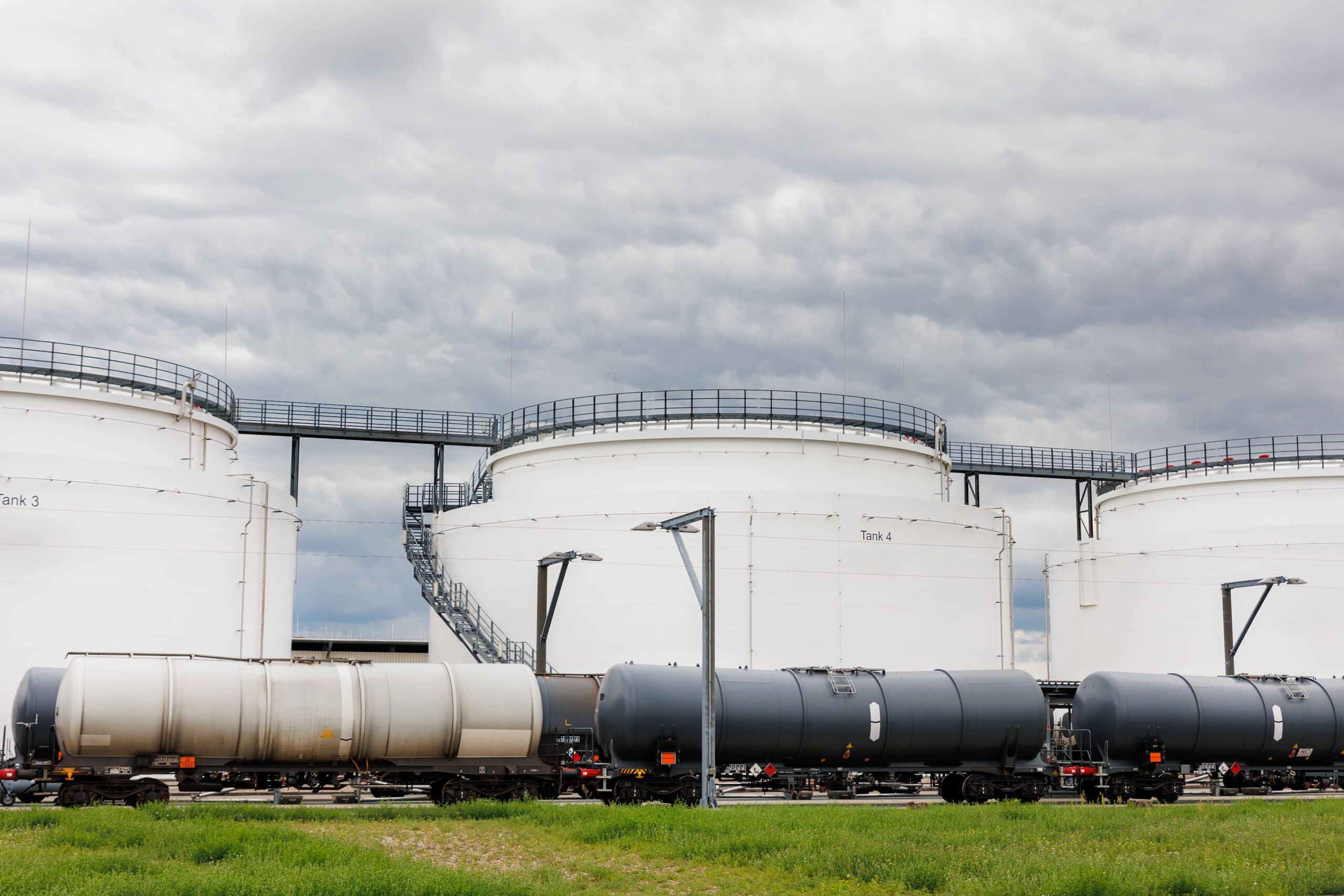
Strategic infrastructure such as Tank Farm Storage is becoming central to managing these shifts, especially for traders managing multi-region inventory exposure.
5. ACTION SIGNAL
Market participants are advised to:
- Secure storage-linked allocations early before capacity tightening intensifies
- Lock logistics coordination ahead of peak freight congestion cycles
- Diversify sourcing across multiple refinery-linked hubs
- Prioritize structured storage access in high-demand terminals
Integrated procurement flows combining D6 Virgin Oil supply chains and refined product streams are increasingly being used to stabilize supply exposure across trading portfolios.
6. CLOSING
The global fuel storage and allocation environment is becoming increasingly constrained, particularly across major FOB trading hubs where terminal positioning, logistics coordination, and verified product access now play a critical role in petroleum movement.
As refinery-linked allocation cycles tighten and storage availability fluctuates across key regions, serious buyers and logistics participants are placing greater focus on structured supply visibility, terminal access, and storage-backed procurement coordination.
For buyers seeking structured EN590 diesel supply pathways and refinery-linked fuel positioning, check out our Live EN590 Diesel Allocation Page:
https://globalpetroleumadvisor.com/en590-diesel-fuel-and-gasoline-request-allocation-page/
For tank farm storage coordination, terminal positioning, and petroleum storage infrastructure access across major trading environments:
https://globalpetroleumadvisor.com/tank-farm-storage/
The current global fuel storage environment is entering a constrained allocation phase, where access to terminal capacity is becoming as critical as the fuel itself.
Request EN590 Diesel allocation from refinery-linked supply network
Secure tank storage positioning before next pricing and logistics cycle shift
Access structured supply channels via:
Tank Farm Storage | Crude Oil | Jet Fuel A1
OUTBOUND AUTHORITY SOURCES














No Comments