MARKET SIGNAL SUMMARY
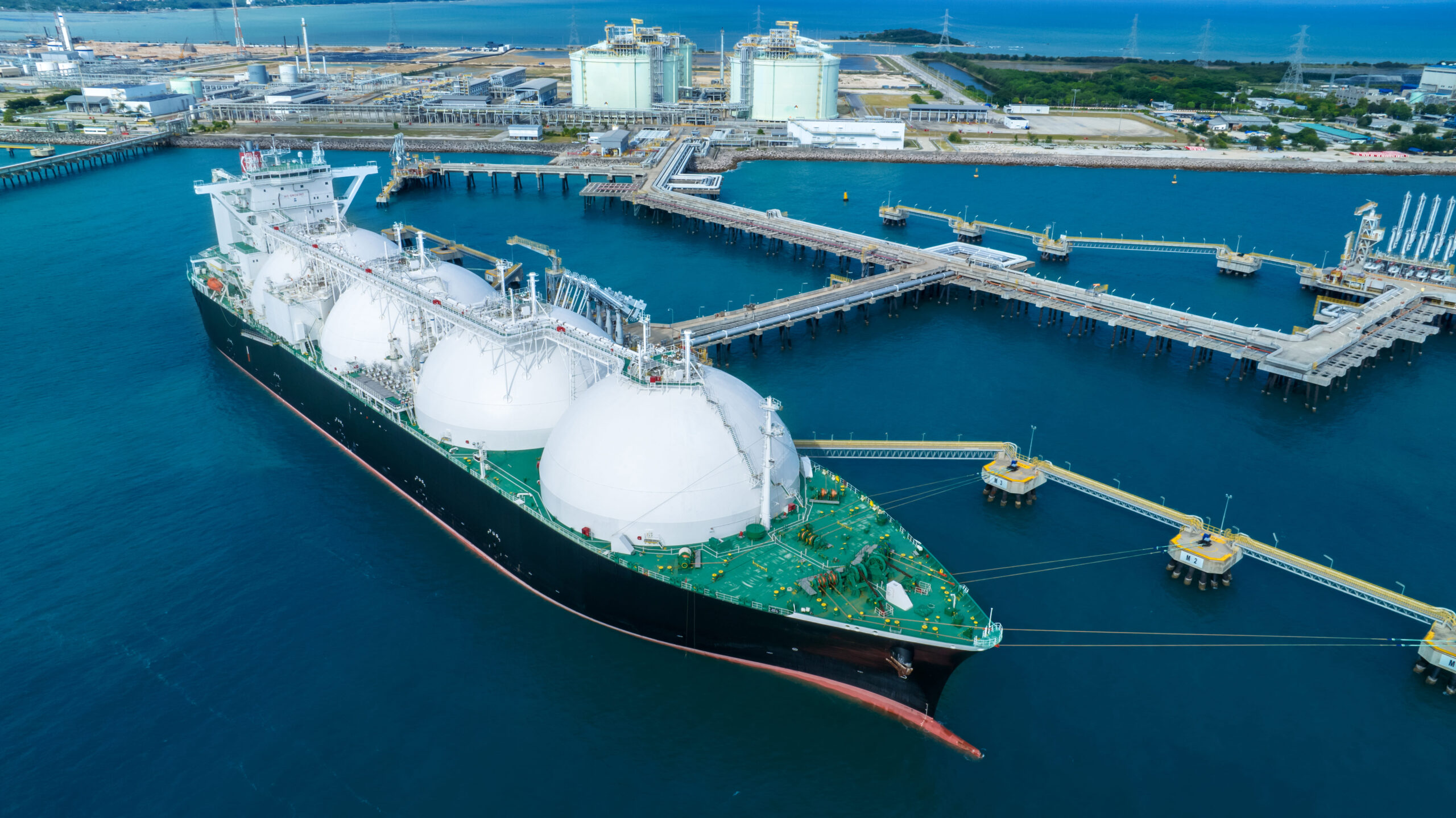
Global petroleum logistics networks are experiencing stronger Cargo Delays as floating storage activity continues rising across major export corridors. Meanwhile, vessel congestion near key loading terminals is slowing cargo movement and tightening scheduling flexibility.
Additionally, freight volatility is increasing pressure on buyers and traders seeking stable loading windows. As a result, Cargo Delays are becoming a major concern across active fuel trading regions and refinery-linked supply chains.
WHAT IS HAPPENING
- Floating storage activity is increasing across Asia, the Middle East, and European energy hubs.
- Several tankers are remaining offshore longer due to delayed discharge scheduling.
- Meanwhile, vessel congestion is affecting loading operations near key petroleum terminals.
- Freight availability remains uneven across some active export routes.
- Additionally, storage utilization is increasing in Singapore, Fujairah, and Rotterdam.
- Cargo repositioning activity is also creating scheduling pressure for refiners and logistics operators.
- Some suppliers are adjusting loading priorities due to active allocation demand.
- Consequently, Cargo Delays are affecting short-term procurement timing across multiple regions.
WHY IT MATTERS FOR BUYERS
Cargo Delays are creating operational pressure for buyers depending on strict delivery schedules. Meanwhile, longer waiting periods for vessels are increasing freight uncertainty across active shipping routes.
Additionally, delayed loading windows may reduce flexibility for buyers seeking immediate fuel access. This is especially important for procurement teams managing time-sensitive allocations or downstream distribution obligations.
Storage competition is also increasing near active petroleum hubs. Therefore, buyers without confirmed logistics structures may face reduced access to preferred loading positions.
Furthermore, refinery-linked suppliers are monitoring vessel availability closely due to shifting export schedules. As a result, buyers may need to secure loading discussions earlier than normal to reduce operational exposure.
Freight volatility is also influencing procurement timing. Consequently, procurement teams are moving faster to stabilize cargo movement before additional terminal congestion develops.
WHERE CARGO DELAYS OPPORTUNITIES ARE SHIFTING
Cargo Delays Across Alternative Supply Hubs
Alternative supply hubs are attracting stronger attention as buyers seek more flexible loading environments. Meanwhile, some traders are shifting procurement focus toward regions with lower vessel congestion and faster terminal turnaround.
Singapore and Jurong continue supporting active storage and cargo balancing activity. Additionally, Fujairah remains important for short-term fuel positioning and regional redistribution flexibility.
Rotterdam and ARA-linked terminals are also seeing increased coordination around storage optimization and refined product movement. This is helping some buyers reduce exposure to longer offshore waiting periods.
Furthermore, floating storage activity is creating selective opportunities for buyers able to secure logistics support early. Consequently, suppliers with confirmed storage access and stable vessel scheduling are becoming more valuable within current market conditions.
Refinery reallocations are also supporting temporary sourcing flexibility across selected export regions. Therefore, buyers monitoring active logistics conditions may still identify workable procurement opportunities despite ongoing Cargo Delays.
ACTION SIGNAL
Buyers should respond quickly to rising Cargo Delays and vessel congestion across active petroleum trade routes. Meanwhile, procurement teams should avoid depending on delayed spot scheduling structures.
Additionally, buyers should:
- secure loading access early
- confirm vessel coordination faster
- diversify supply routes
- monitor floating storage activity
- engage suppliers with active terminal positioning
Furthermore, storage-linked suppliers may provide stronger flexibility during periods of freight volatility and export congestion.
Consequently, early logistics coordination may help buyers reduce scheduling disruption and maintain stable cargo movement.
STRATEGIC CLOSE
Access verified petroleum supply opportunities, refinery allocations, and storage-linked cargo positions through our live intelligence network.
Secure loading access early.








No Comments