2. MARKET SIGNAL SUMMARY
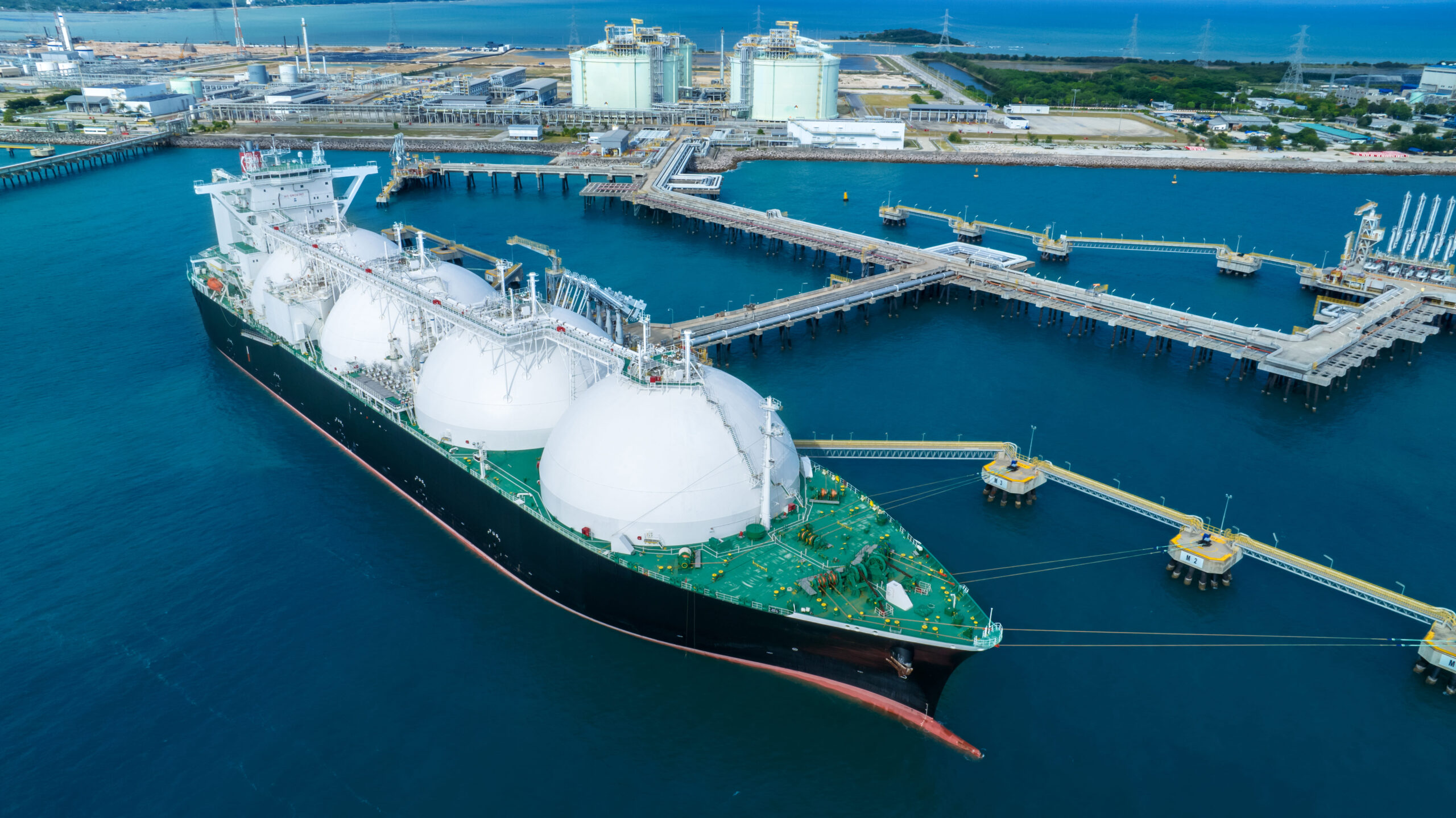
Global petroleum logistics routes remain under pressure as regional security concerns continue affecting tanker movement across key maritime corridors. Meanwhile, rising freight costs and vessel delays are increasing operational uncertainty for buyers managing active cargo programs. As a result, Shipping Risk remains a major focus across international energy markets.
Additionally, sanctions activity and military positioning near strategic waterways are influencing cargo timing and routing decisions. Consequently, buyers are increasing attention on alternative export hubs and storage-supported sourcing options outside high-pressure shipping corridors.
2. WHAT IS HAPPENING
-
Tanker movement across sensitive maritime regions remains slower due to increased vessel monitoring and security procedures.
-
Freight pricing continues adjusting as shipping operators account for route exposure and operational uncertainty.
-
Meanwhile, some refiners are reallocating cargo programs toward alternative export terminals outside high-risk transit areas.
-
Storage activity is increasing across selected fuel hubs as traders reposition inventory closer to safer loading corridors.
-
Additionally, buyers are monitoring sanctions-related restrictions affecting cargo documentation and vessel approvals.
-
Some shipping operators are modifying delivery schedules to avoid congested or high-tension maritime zones.
-
Consequently, loading timelines are becoming less predictable across certain crude and refined fuel routes.
-
Refinery-linked export programs in alternative regions are attracting stronger procurement interest.
3. WHY IT MATTERS FOR BUYERS
The current Shipping Risk environment is increasing uncertainty across global petroleum logistics chains. As a result, buyers depending on narrow sourcing channels may face cargo delays, freight adjustments, or tighter loading schedules.
Additionally, tanker rerouting activity is influencing freight availability and delivery timing. Buyers securing logistics support earlier may gain stronger operational positioning during periods of elevated maritime pressure.
Meanwhile, sanctions-related compliance requirements continue affecting transaction timelines across some export markets. Therefore, procurement teams are placing greater emphasis on verified documentation and flexible shipping structures.
Furthermore, storage competition is increasing in regions operating outside high-risk shipping zones. Consequently, buyers are seeking faster allocation access across safer export corridors linked to active refinery operations.
4. WHERE SHIPPING RISK OPPORTUNITIES ARE SHIFTING
Fujairah continues attracting increased attention as buyers seek storage-supported fuel positioning and alternative export flexibility. Active refinery-linked cargo movement remains important across Middle East supply operations despite regional logistics pressure.
Meanwhile, Rotterdam and Baltic export channels are seeing stronger procurement interest due to stable loading infrastructure and diversified fuel movement options. Additionally, Poland continues functioning as a strategic redistribution point for selected European fuel cargoes.
Alternative Asian storage and export hubs are also supporting regional cargo repositioning programs. As a result, procurement teams are increasingly diversifying shipping routes instead of depending on single transit corridors.
Furthermore, refinery reallocations and tank storage releases are creating additional sourcing opportunities across lower-risk operational regions. Buyers maintaining flexible procurement structures may access improved cargo positioning during active market adjustments.
5. ACTION SIGNAL
Buyers should strengthen logistics planning across active petroleum procurement operations.
Additionally, procurement teams should:
-
secure cargo allocations early
-
diversify shipping routes
-
confirm freight positioning faster
-
monitor sanctions developments closely
-
maintain flexible storage access
-
track refinery export adjustments
Meanwhile, active maritime tension may continue influencing tanker movement and cargo scheduling. Therefore, early operational planning remains important across international petroleum supply chains.
6. STRATEGIC CLOSE
Global petroleum logistics conditions continue reshaping tanker movement, freight positioning, and refinery-linked export activity. Access verified petroleum supply opportunities, storage-supported cargo positions, and active allocation windows through our live intelligence network.









No Comments